


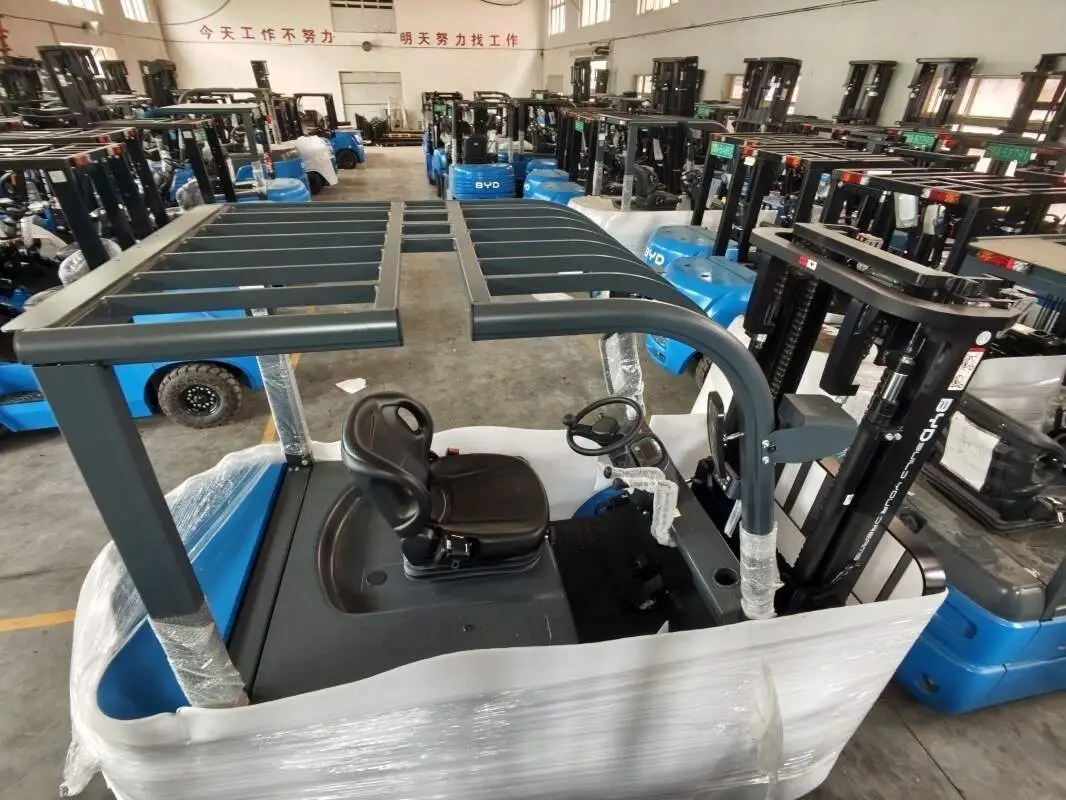
In today’s fast-paced material handling industry, electric forklifts have emerged as a reliable, eco-friendly alternative to gasoline-powered models. Whether managing a small warehouse, large distribution center, or manufacturing facility, investing in an electric forklift requires careful consideration of key specifications to ensure it aligns with operational needs. Overlooking critical details can lead to inefficiencies, increased costs, and safety risks. This guide breaks down the essential specifications to review before making a purchase.
Load capacity is one of the most fundamental specifications to evaluate. It refers to the maximum weight a forklift can safely lift and transport. Matching this capacity to your heaviest regular loads is non-negotiable. For example, if daily tasks involve moving 3,000-pound pallets, a 2,500-pound capacity forklift will risk overloading and equipment damage. Conversely, choosing a forklift with far higher capacity than needed wastes upfront costs and reduces maneuverability in tight spaces. Always account for additional weight from attachments like side shifters, which can lower effective load capacity.
Lift height is another critical specification, referring to the maximum vertical distance a forklift can raise a load. This must align with your storage rack or shelf heights. If your warehouse uses 20-foot high-rise storage, a forklift with only 15 feet of lift height cannot access upper levels. Measure your tallest storage point and add extra feet for clearance when positioning loads. Mast type also matters—some masts offer greater lift flexibility, ideal for facilities with varying storage heights across areas.
Battery-related specifications are vital for electric forklifts, as they power operations. Runtime, the duration a forklift operates on a single charge, directly impacts daily productivity. Facilities with extended shifts or limited charging downtime need models with longer runtime. Note that real-world performance varies based on load weight, terrain, and operating conditions, so don’t rely solely on manufacturer estimates. Charging time is equally important: some batteries fully charge in 6-8 hours, while fast-charging options provide partial charges in 1-2 hours, perfect for keeping operations running without long breaks.
Maneuverability plays a key role in efficiency, especially in narrow warehouse aisles. Key metrics include turning radius, overall width, and height. A smaller turning radius lets the forklift navigate tight corners and narrow spaces easily, reducing collision risks with racks or equipment. For facilities with narrow aisles, a compact design with a tight turning radius is essential. Overall height is critical if your space has low overhead clearances, like older warehouses or under mezzanines, to avoid accidents and disruptions.
Ergonomic and safety specifications are crucial for operator comfort and workplace safety. Look for features like adjustable seating, easy-to-reach controls, and good visibility in the operator’s cabin to reduce fatigue, boosting productivity and lowering accident risks. Safety features such as load backrests, anti-rollover systems, and automatic braking protect both operators and equipment, minimizing injury and damage risks. Ensure the forklift meets relevant safety standards to comply with workplace regulations.
Before finalizing your purchase, conduct a site assessment to measure aisle widths, storage heights, and typical load weights. Aligning these specifications with your operational needs ensures you select the right electric forklift, enhancing productivity, reducing costs, and maintaining a safe working environment for your team.

