


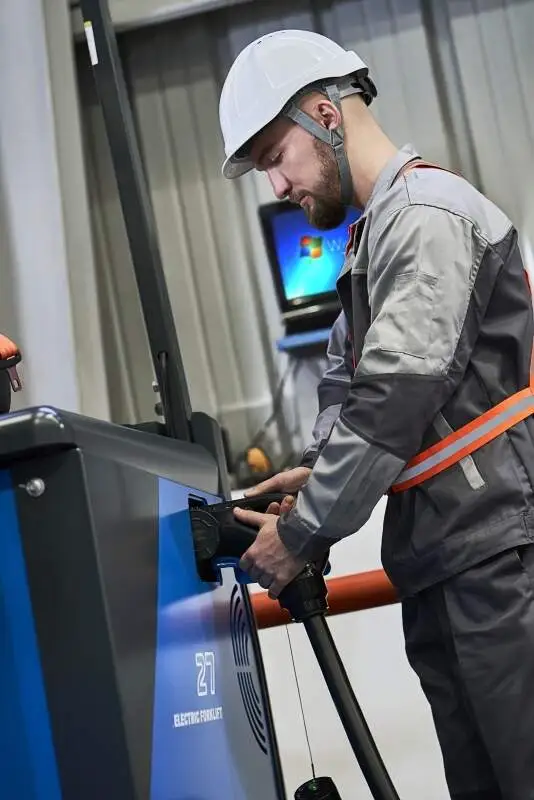
In heavy duty material handling operations, from large warehouses to manufacturing facilities and logistics hubs, moving bulky, heavy loads efficiently and safely is a critical priority. Traditional internal combustion forklifts have long been used for such tasks, but the shift toward more sustainable and cost-effective solutions has made electric forklifts increasingly popular. Among these, 5 ton electric forklifts stand out as a versatile option designed to tackle mid-to-heavy load requirements, balancing power, efficiency, and environmental friendliness. This guide explores their key features, benefits, usage best practices, and selection considerations to help operations make informed choices.
5 ton electric forklifts are engineered to meet the demands of heavy duty material handling while retaining the advantages of electric power. Their primary feature is a 5-ton load capacity, making them suitable for moving large pallets, machinery components, and other heavy items commonly found in industrial settings. Powered by advanced lithium-ion batteries, these forklifts offer consistent power output throughout their charge cycle, reducing the risk of performance drops during long shifts. Many models also support fast charging, minimizing downtime between operations.
In terms of maneuverability, 5 ton electric forklifts often feature responsive steering systems and compact turning radii, allowing operators to navigate narrow aisles and tight spaces with ease—an essential trait for warehouses with dense storage layouts. Safety is another integral feature, with built-in systems like speed limiters, anti-tip mechanisms, and emergency brake functions to protect both operators and cargo. Additionally, these forklifts produce low noise levels, creating a more comfortable work environment for personnel.
Opting for a 5 ton electric forklift brings several tangible benefits to heavy duty operations. First, operational costs are significantly lower compared to internal combustion alternatives. Electricity is generally cheaper than diesel or gasoline, and electric forklifts require less maintenance—there are no oil changes, fuel filters, or exhaust systems to service, reducing long-term upkeep expenses.
Environmental friendliness is another major advantage. 5 ton electric forklifts produce zero tailpipe emissions, making them ideal for indoor operations where air quality is a concern, as well as for facilities aiming to reduce their carbon footprint. They comply with strict environmental regulations, eliminating the need for costly emission control measures.
Operators also benefit from a more comfortable working experience. The low noise and vibration levels of electric forklifts reduce operator fatigue during extended shifts, which can lead to improved productivity and reduced error rates. The absence of fumes further enhances workplace safety and comfort.
To maximize the performance and lifespan of a 5 ton electric forklift, following best practices is essential. First, operators should receive comprehensive training on the specific model’s controls, safety features, and load handling procedures. Proper training ensures that operators can handle heavy loads safely and use the forklift’s features effectively.
Regular battery maintenance is crucial. Operators should monitor battery charge levels daily and avoid over-discharging, as this can shorten battery life. Using the recommended charging equipment and following the manufacturer’s charging guidelines helps maintain battery health. It’s also important to inspect the battery for signs of damage or wear regularly.
Load balancing is another key consideration. Overloading the forklift beyond its 5-ton capacity can lead to instability and increase the risk of accidents. Operators should ensure that loads are properly centered on the forks and secured to prevent shifting during transport.
Routine maintenance checks should include inspecting tires for wear, testing brake systems, and verifying the functionality of safety features like lights and horns. Creating a scheduled maintenance plan helps catch potential issues early, reducing the risk of unexpected breakdowns.
Choosing the right 5 ton electric forklift depends on several operational factors. First, assess the operating environment. If the forklift will be used outdoors on uneven terrain, look for models with robust tires and enhanced traction systems. For indoor warehouse use, maneuverability and low noise levels may be top priorities.
Battery life and charging requirements are also important. Evaluate the average daily operating hours to determine if a standard battery with slow charging is sufficient, or if a fast-charging model is needed to minimize downtime. Ensure that the facility has adequate charging infrastructure to support the forklift’s needs.
Budget is another consideration. While 5 ton electric forklifts may have a higher initial purchase cost compared to some internal combustion models, the long-term savings on fuel and maintenance often offset this difference. Calculate the total cost of ownership over the lifespan of the forklift to make a more informed decision.
Additionally, consider the specific load types and dimensions handled in the operation. Some models may offer adjustable fork lengths or additional attachments to accommodate different cargo types, increasing versatility.
5 ton electric forklifts are a reliable and efficient solution for heavy duty material handling operations, offering a balance of power, sustainability, and cost-effectiveness. By understanding their key features, benefits, usage best practices, and selection factors, businesses can choose the right forklift to meet their operational needs. When used correctly and maintained properly, these forklifts can enhance productivity, improve workplace safety, and support environmental goals, making them a valuable asset for any industrial or logistics setting.

