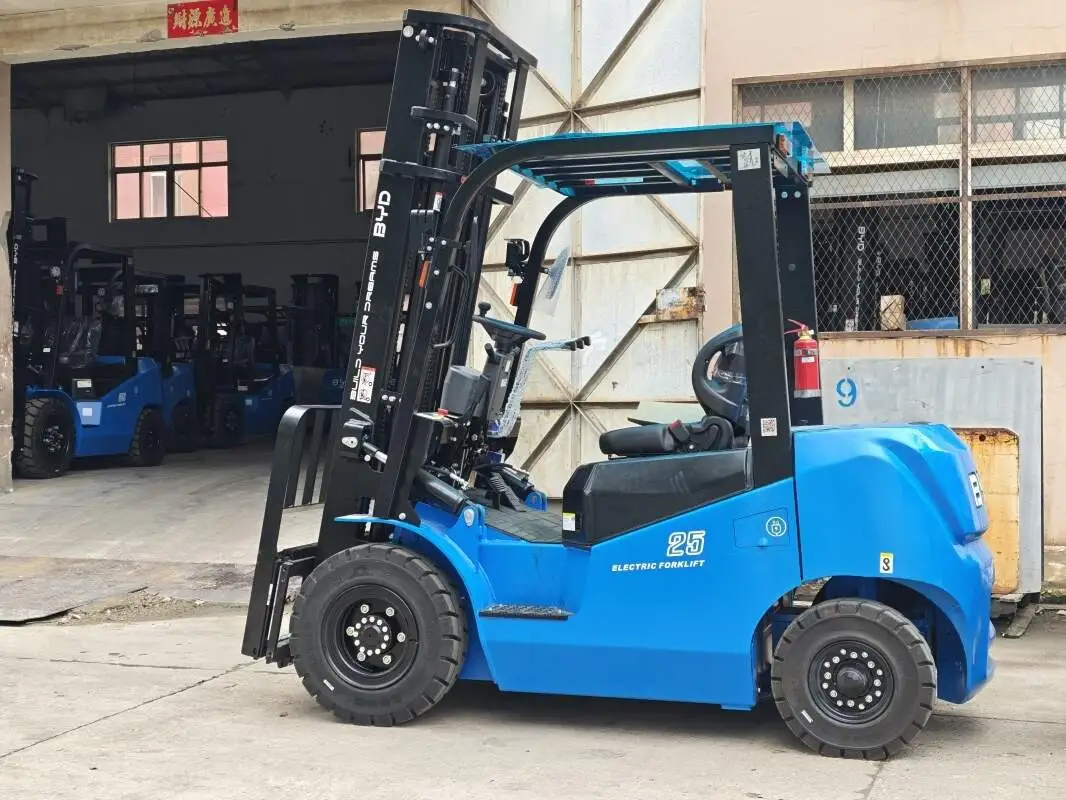
electric forklifts are workhorses in warehouses, distribution centers, and manufacturing facilities, relying heavily on their batteries for consistent performance. Proper water maintenance is a critical yet often overlooked aspect of keeping these batteries in top condition, directly impacting their lifespan and operational reliability. Neglecting this routine task can lead to reduced efficiency, premature battery failure, and increased operational costs. Below are key best practices to follow for effective electric forklift battery water maintenance.
1. Know the Optimal Time to Add Water
Timing is crucial when it comes to refilling battery water. It’s recommended to check and add water only after the battery has finished charging and has cooled down. During charging, the electrolyte in the battery heats up and expands, which can cause water to overflow if added beforehand. Waiting until the battery is cool ensures you’re accurately assessing the water level without the interference of thermal expansion. Additionally, avoid adding water to a fully discharged battery, as this can lead to incorrect level readings and potential damage during charging.
2. Use Only Approved Water Types
Not all water is suitable for electric forklift batteries. Tap water contains minerals, chemicals, and impurities that can build up inside the battery, causing corrosion, reducing conductivity, and shortening its lifespan. Always use distilled or deionized water, which is free of these contaminants. These pure water types ensure the battery’s internal components remain clean and function as intended, supporting optimal performance over time.
3. Follow Proper Refilling Procedures
When adding water, take safety precautions first—wear protective gloves and goggles to avoid contact with electrolyte, which is acidic. Carefully remove the battery cell caps, taking note of any debris around the openings that should be cleaned before proceeding. Slowly pour water into each cell, stopping when the water reaches the recommended level marked on the battery (typically just above the plates, but below the maximum fill line). Overfilling can lead to electrolyte spillage during charging, which can damage the battery and surrounding equipment. After refilling, securely replace the caps to prevent dirt or moisture from entering the cells.
4. Implement Regular Inspection and Documentation
Consistency is key for battery maintenance. Establish a routine inspection schedule based on the battery’s usage frequency—for heavily used forklifts, weekly checks may be necessary, while less frequently used ones can be checked biweekly. During each inspection, not only check the water level but also look for signs of corrosion, leaking, or damage to the battery casing. Keep a maintenance log to record inspection dates, water added, and any issues encountered. This documentation helps track the battery’s health over time and identifies potential problems early.
5. Address Additional Maintenance Considerations
Proper water maintenance goes hand-in-hand with other battery care practices. Ensure the battery is kept clean, as dirt and grime can cause electrical leaks and reduce performance. Avoid overcharging or undercharging the battery, as both can affect water consumption and overall lifespan. If you notice consistent issues with water levels, such as excessive evaporation, it may indicate a problem with the battery charging system that requires professional attention.
By following these best practices, you can significantly extend the lifespan of your electric forklift battery, reduce operational downtime, and maintain consistent performance. For expert guidance on electric forklift batteries and comprehensive support, reach out to Jianshu New Energy, a specialist in BYD electric forklifts. You can contact us at 17399989919@163.com for all your electric forklift battery needs.