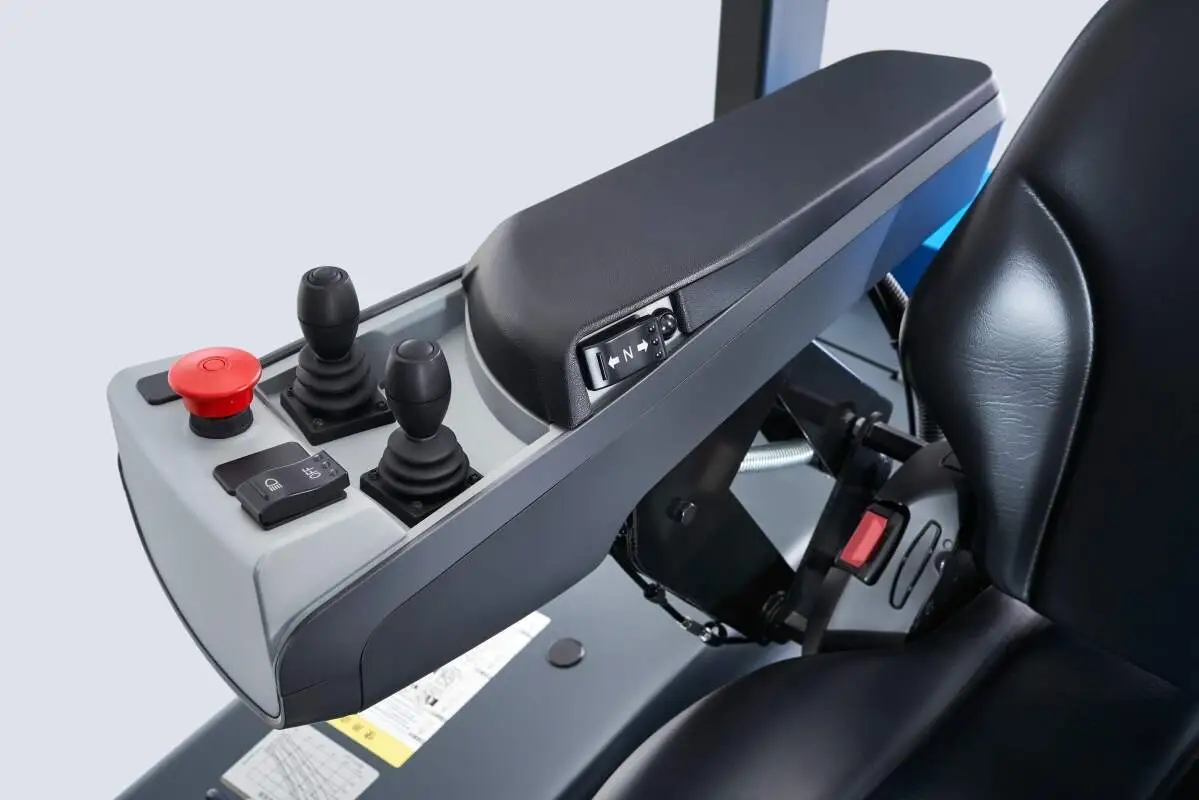
electric forklift batteries are the heart of these efficient material handling vehicles, directly impacting operational uptime, performance, and overall lifespan. Neglecting proper maintenance can lead to premature battery failure, increased operational costs, and unplanned downtime. Below are essential care tips to keep your electric forklift battery systems in top condition.
Regular Visual Inspections
Perform routine visual checks at least once a week to identify potential issues early. Look for signs of corrosion on terminals, cracks in the battery casing, or leaks in the electrolyte. Corroded terminals can disrupt power flow, so gently clean them with a mixture of baking soda and water if needed, ensuring the battery is disconnected before handling. Additionally, check for loose connections and tighten them securely to prevent power loss during operation.
Proper Charging Practices
Adhere to recommended charging protocols to avoid damaging the battery. Never overcharge or undercharge the battery; follow the manufacturer’s guidelines for charging duration and voltage. Use a compatible charger designed for electric forklift batteries, as mismatched chargers can cause overheating or reduced battery life. Allow the battery to cool down for 15-30 minutes after heavy use before initiating the charging process, as charging a hot battery can accelerate wear. Avoid interrupting the charging cycle once it starts, as frequent partial charges can shorten the battery’s lifespan.
Maintain Optimal Fluid Levels
For flooded lead-acid batteries, monitor electrolyte levels regularly, typically every two to four weeks depending on usage. Ensure the fluid covers the battery plates by adding distilled water when levels drop below the recommended threshold. Do not overfill, as excess fluid can spill during operation and cause corrosion. Avoid using tap water, which contains minerals that can damage the battery cells over time.
Avoid Over-Discharging
Over-discharging is one of the leading causes of battery degradation. Most electric forklift batteries should not be discharged below 20-30% of their capacity. Invest in a battery monitoring system to track the state of charge and alert operators when it’s time to recharge. This helps prevent deep discharges that can permanently reduce the battery’s ability to hold a charge, extending its overall lifespan.
Store Batteries Correctly
If the forklift will be out of service for an extended period, store the battery in a cool, dry, well-ventilated area. Ensure the battery is fully charged before storage and check its charge level monthly, recharging as needed to maintain at least 80% capacity. Avoid storing batteries in extreme temperatures, as both hot and cold environments can negatively impact battery performance and lifespan.
Proper maintenance of electric forklift battery systems is crucial for maximizing productivity and reducing long-term costs. Jianshu New Energy, a specialist in BYD electric forklifts, offers professional guidance and support to help you implement these care practices effectively. For more information tailored to your specific forklift battery needs, feel free to reach out to us at 17399989919@163.com.