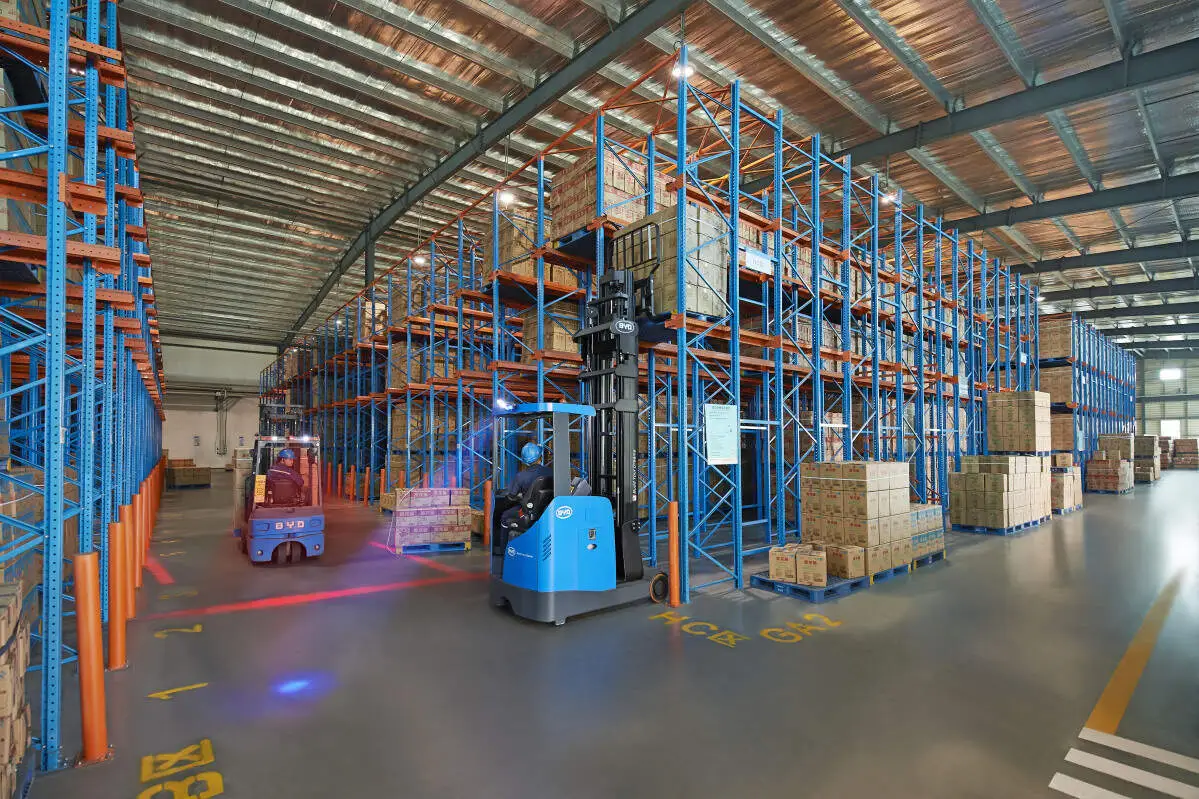
Operating an electric forklift jack in a warehouse demands strict adherence to safety protocols to protect operators, co-workers, and valuable inventory. Unlike manual alternatives, electric models rely on battery power, which adds specific considerations for reliable and safe use. Jianshu New Energy, a specialist in BYD electric forklifts, emphasizes that standardized procedures are key to mitigating risks in busy warehouse environments where space is limited and foot traffic is common.
Before starting the electric forklift jack, conduct a thorough pre-use inspection. First, check the battery level to ensure it has sufficient power for the planned tasks; low battery can lead to unexpected shutdowns mid-operation, which may cause load shifts or collisions. Inspect the tires for damage, punctures, or uneven wear, as compromised tires can affect the forklift’s stability, especially when lifting heavy loads. Examine the forks, mast, and lifting mechanisms for any signs of wear, cracks, or loose components—even minor damage can escalate into safety hazards during use. Verify that all safety features, including horns, overhead lights, and emergency brakes, are functioning properly. Only authorized personnel with formal training should operate the forklift, as untrained users are more likely to make preventable mistakes.
During operation, prioritize slow, controlled movements to maintain stability. Keep a safe speed, especially in narrow aisles, around corners, or in areas with pedestrian traffic. Always sound the horn before turning, crossing intersections, or entering blind spots to alert others of your presence. Maintain a clear view of the path ahead; avoid stacking items so high that they obstruct your visibility, and use a spotter if needed when navigating tight spaces. When lifting loads, ensure the load is evenly distributed on the forks and does not exceed the forklift’s rated capacity. Tilt the mast slightly backward to secure the load during transport, and avoid sudden stops or sharp turns that could cause the load to shift or fall. Never allow passengers to ride on the forklift, as this creates unnecessary safety risks, and stay alert to overhead obstacles such as pipes, ceiling beams, or storage racks.
After completing tasks, follow proper post-operation procedures to secure the forklift. Park in a designated, level area away from high-traffic zones. Lower the forks to the ground, engage the parking brake, and turn off the power supply. If the battery requires charging, connect it according to the manufacturer’s instructions in a well-ventilated area—improper charging can pose fire or electrical hazards. Conduct a quick post-use check to note any issues, such as unusual noises or component damage, and report them to the maintenance team promptly.
Regular maintenance and ongoing training are critical for long-term safe operation. Schedule routine checks for battery health, hydraulic systems, and electrical components to prevent unexpected breakdowns. Operators should participate in periodic training sessions to refresh their knowledge of safety protocols and learn about any updates to equipment operations. Jianshu New Energy, which specializes in BYD electric forklifts, offers support and guidance to ensure operators have the knowledge and resources to handle these vehicles safely. For more information about electric forklift safety and solutions, you can reach us at 17399989919@163.com.