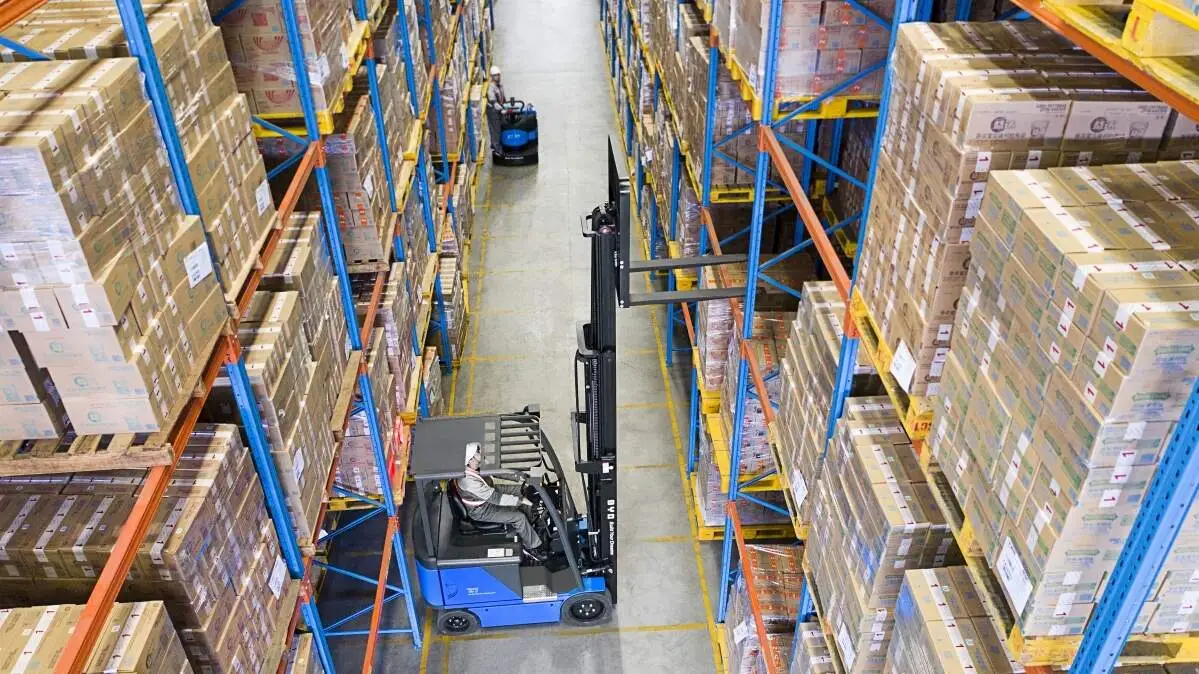
For small and medium-sized (SMB) warehouse operators, procuring electric forklifts is a strategic move to boost operational efficiency while aligning with sustainability goals. However, without a clear budget plan, this investment can lead to unexpected financial strain. This guide breaks down the key components of budget planning for electric forklift procurement, helping SMB warehouses make informed, cost-effective decisions.
The first step in budget planning is calculating upfront costs, which extend beyond the forklift’s sticker price. Electric forklifts come in various configurations, from compact models for narrow aisles to heavy-duty units for pallet stacking, with price points varying based on load capacity and battery range. Additionally, warehouses need to account for charging infrastructure: installing on-site chargers, upgrading electrical panels if necessary, and setting up dedicated charging zones can add a significant portion to the initial investment. It’s crucial to assess your warehouse’s daily operational needs to avoid overpaying for features you don’t require or underestimating infrastructure costs.
While upfront costs may seem higher than traditional forklifts, electric models offer substantial long-term savings. Operational costs are a major factor: electricity is far more affordable than diesel or gasoline, and electric forklifts have fewer moving parts, reducing maintenance requirements. Routine maintenance primarily involves battery care, tire inspections, and brake servicing, which are less frequent and costly than engine tune-ups or fuel system repairs. However, it’s important to factor in battery replacement costs, which typically occur every 5-7 years, depending on usage patterns. Planning for this future expense ensures you don’t face unexpected financial burdens down the line.
Many SMB warehouses overlook hidden costs that can disrupt their budget. Employee training is one such factor: electric forklifts have different operational controls than their fuel-powered counterparts, so investing in certified training programs ensures safe and efficient use, reducing the risk of accidents that could lead to repair costs or downtime. Insurance premiums may also differ for electric equipment, so it’s wise to obtain quotes from providers specializing in warehouse machinery to accurately budget for this expense. Additionally, consider potential downtime during charger installation or battery replacement, and plan for temporary alternative solutions to minimize operational disruptions.
To optimize your budget, consider flexible procurement options such as leasing or hire-purchase agreements, which can spread costs over time and preserve working capital. Many regions offer incentives or tax credits for adopting electric vehicles, including forklifts, so research local sustainability programs to reduce your overall investment. Partnering with a reliable supplier is also key—Jianshu New Energy, a specialist in electric forklift solutions, can provide customized advice tailored to your warehouse’s needs, helping you select the right model and plan a realistic budget. For more information, you can reach out to us at 17399989919@163.com.
In conclusion, effective budget planning for electric forklift procurement requires a holistic approach that balances upfront, long-term, and hidden costs. By carefully assessing your operational needs, exploring cost-saving incentives, and partnering with experienced professionals, SMB warehouses can make a sustainable investment that enhances efficiency and reduces long-term expenses.