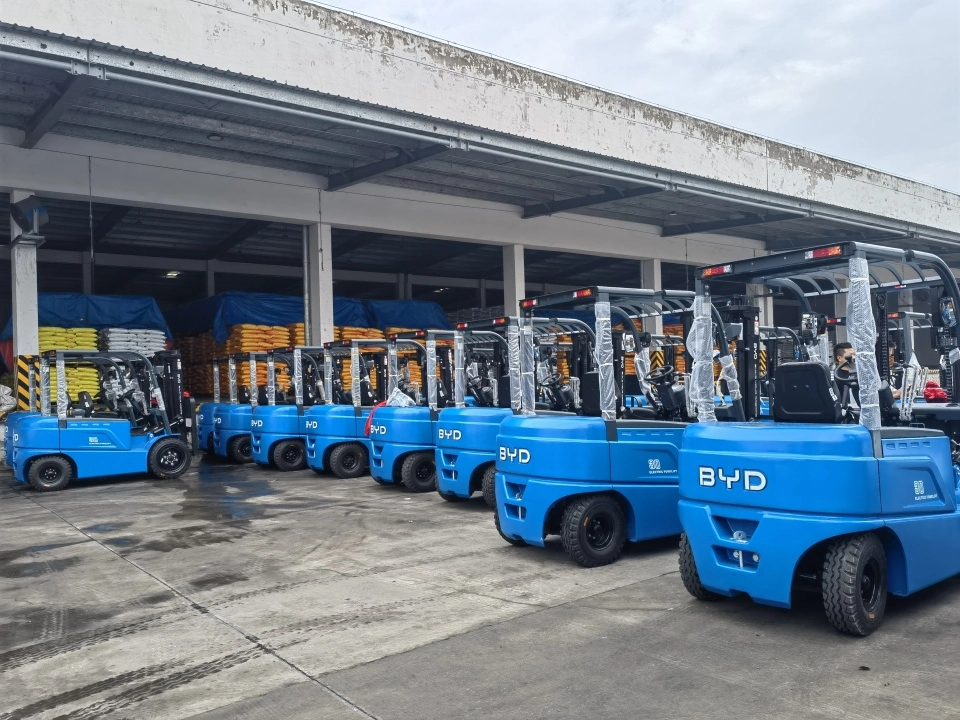
electric forklifts are integral to smooth material handling operations, but their safety, efficiency, and longevity depend heavily on properly matching tire specifications to actual working loads. Incorrect matching can lead to premature tire wear, reduced stability, increased maintenance costs, and even avoidable workplace accidents. This guide walks you through the key steps to get this critical match right.
First, accurately calculate your actual working load. This goes beyond the forklift’s rated load capacity, as it must account for additional weight from frequent attachments like side shifters or fork extensions, unevenly distributed cargo, and occasional peak loads. For example, if you regularly transport pallets with protruding items that shift weight unevenly, this extra stress on tires needs to be included in your load calculations. Keep detailed records of daily cargo weights and attachment usage to build a clear picture of your real-world load requirements.
Next, understand the tire specifications that directly relate to load capacity. The load index, a numerical code printed on the tire sidewall, indicates the maximum weight a single tire can support at a specified speed. A higher load index means the tire can handle heavier loads. Additionally, the ply rating reflects the tire’s structural strength—more plies translate to greater ability to withstand heavy loads and rough conditions. Remember that load ratings are based on ideal operating conditions, so you may need to adjust specs if your forklift operates at higher speeds or in challenging environments.
Then, factor in your operating environment. Forklifts used on smooth indoor warehouse floors can typically follow standard load ratings, but those working on rough outdoor terrain like gravel yards or construction sites need tires with higher load capacities. Uneven surfaces create additional stress on tires, requiring stronger structures to maintain stability under load. Extreme temperatures also play a role: cold weather can make rubber stiffer, reducing its load-bearing flexibility, while hot environments can accelerate tire degradation over time. Adjust your tire spec selection to align with your specific workplace terrain and climate.
Finally, conduct regular inspections and adjustments. Even with the initial correct match, operational needs can change over time—for example, if you start handling heavier cargo or expand into new work areas. Inspect tires regularly for signs of uneven wear, bulges, or cracks, which may indicate that the current tire specs are no longer sufficient. If you notice reduced stability during operation or increased tire damage, re-evaluate your load calculations and tire specifications promptly.
Properly matching electric forklift tire specs to actual working loads is a foundational step in maintaining safe and efficient material handling operations. If you need professional guidance or support in selecting the right tires for your electric forklifts, reach out to Jianshu New Energy, a specialist in electric forklifts. You can contact us at 17399989919@163.com for personalized advice tailored to your unique operational needs.