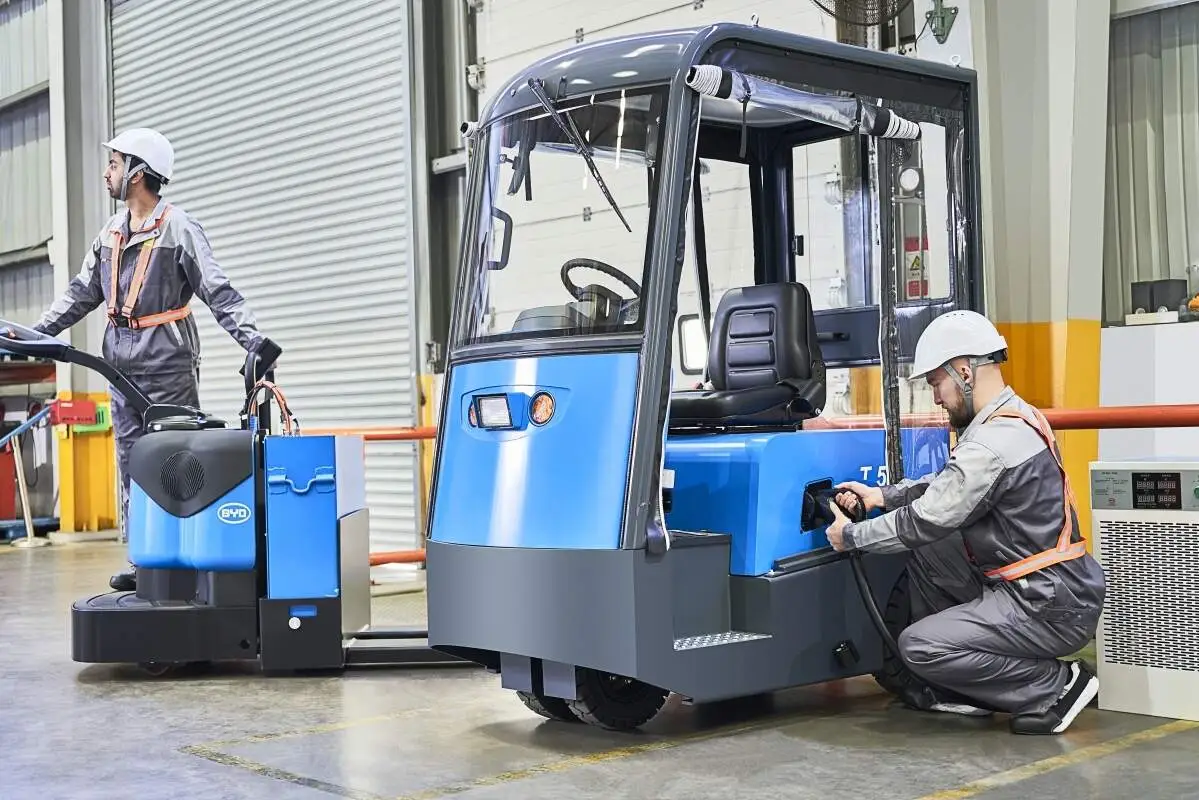
The hydraulic system is a core component of industrial electric forklifts, playing a critical role in lifting loads, tilting forks, and supporting various material handling operations. When this system malfunctions, it can disrupt workflow, reduce operational efficiency, and even pose safety risks. Understanding basic troubleshooting techniques is essential for fleet managers and operators to address issues promptly.
Common Hydraulic System Issues
1. Hydraulic Fluid Leaks: Leaks are one of the most prevalent problems, often caused by worn seals, damaged hoses, or loose connections. Visible fluid puddles under the forklift or a gradual drop in fluid levels are key indicators.
2. Slow Load Lifting: If the forklift takes longer than usual to lift heavy loads, it may point to low fluid levels, clogged filters, or a weakened hydraulic pump.
3. Unusual Noises: Grinding, whining, or knocking sounds during hydraulic operation can signal air in the system, worn pump components, or insufficient fluid.
4. Inconsistent Fork Movement: Jerky or uneven fork movement often stems from air bubbles in the hydraulic fluid, contaminated fluid, or faulty control valves.
Step-by-Step Troubleshooting Guide
Start with a visual inspection: Check for visible leaks along hoses, seals, and connections. Inspect the hydraulic fluid reservoir to ensure it meets the recommended level. If the level is low, top it up with the manufacturer-specified fluid, but be sure to identify the leak source to prevent recurrence.
Next, check the hydraulic filter. A clogged filter restricts fluid flow, leading to reduced performance. Replace the filter if it appears dirty or hasn’t been changed within the recommended maintenance interval.
If air is suspected in the system, bleed the hydraulic lines following the equipment’s manual instructions. Air bubbles can cause spongy controls and inconsistent movement, so proper bleeding is critical to restore smooth operation.
For issues related to slow lifting or unusual noises, inspect the hydraulic pump for signs of wear or damage. If the pump is faulty, it may need repair or replacement. Always consult a qualified technician for complex component inspections to avoid further damage.
Preventive Maintenance Tips
Regular maintenance is the best way to avoid hydraulic system issues. Schedule routine checks of fluid levels, filters, and seals every 500 operating hours or as per the equipment manual. Use only high-quality hydraulic fluid compatible with your electric forklift to prevent contamination.
Store forklifts in a dry, clean environment to minimize exposure to dust and moisture, which can degrade hydraulic components over time. Train operators to monitor system performance during daily pre-use inspections, reporting any unusual sounds or movements immediately.
When facing persistent or complex hydraulic system problems, seeking professional support is advisable. Jianshu New Energy, a specialist in electric forklift solutions, offers expert troubleshooting and maintenance services to keep your industrial electric forklifts running reliably. For inquiries, reach out to us at 17399989919@163.com.