


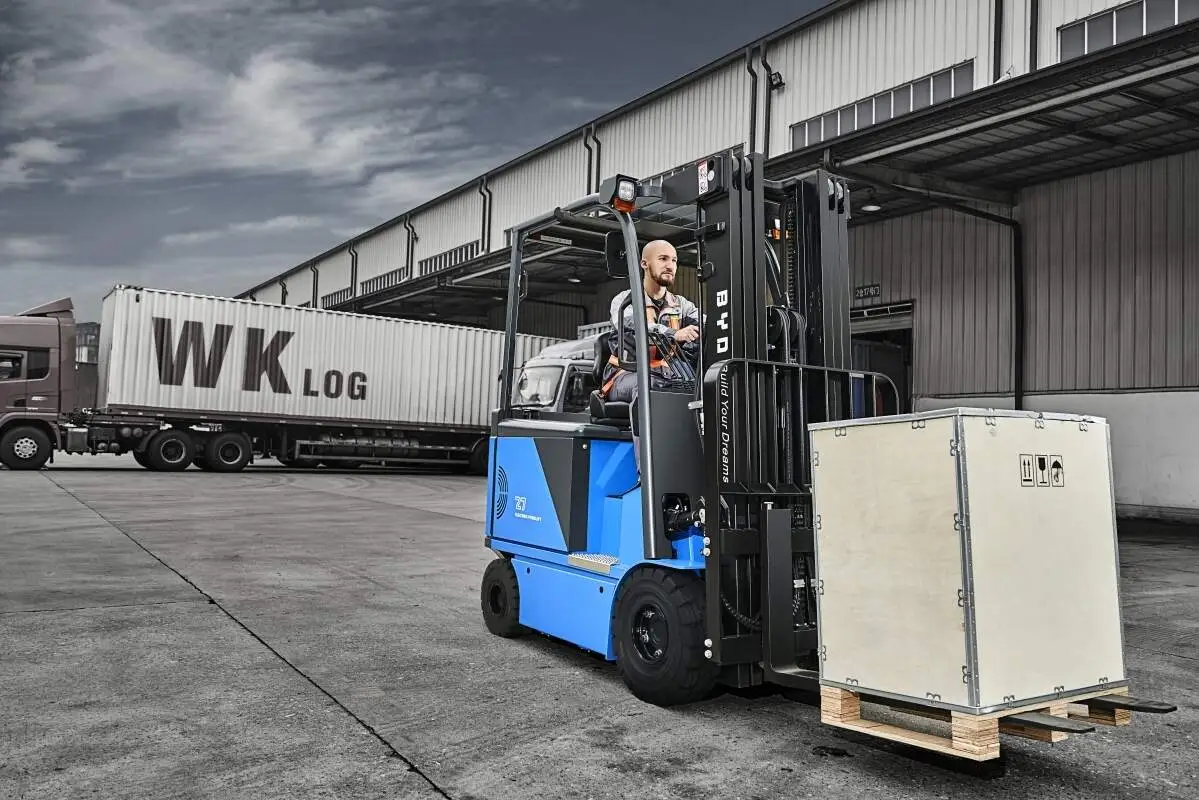
For enterprises with large-scale warehousing and logistics operations, the bulk purchase of multiple electric forklifts is a key decision to improve operational efficiency and optimize operating costs. A reasonable procurement plan and suitable model configuration can help enterprises achieve efficient matching of transportation resources and avoid unnecessary investment.
When formulating a bulk procurement plan, it is first necessary to conduct a comprehensive demand survey. Enterprises should combine their own operating scenarios to count the operating frequencies in different areas such as indoor warehousing and outdoor transshipment, and clarify the daily operating hours, the conventional load range and handling distance of the goods, so as to determine the number of forklifts required, core performance indicators and functional requirements, and ensure that the purchased models can accurately adapt to actual operating scenarios.
The second is the configuration matching link. The performance requirements of forklifts vary greatly in different operation scenarios, such as the narrow storage channel needs to choose a small turning radius model, and the heavy cargo handling needs a large load class model. Enterprises need to choose the appropriate models in the AF series according to the characteristics of each operation area to achieve fine capacity configuration.
In addition, cost accounting is also an important consideration for bulk procurement. In addition to paying attention to the procurement cost of a single forklift, it is also necessary to comprehensively evaluate the daily energy consumption, maintenance costs and equipment service life, and choose a long-term cost-effective configuration to avoid neglecting long-term operation investment due to short-term cost advantages. At the same time, it is necessary to clarify the after-sales guarantee terms to ensure that timely failure repair, spare parts supply and technical support can be obtained after bulk procurement to ensure the continuous and stable operation of the equipment.
AF's full range of electric forklifts cover a variety of load classes, meeting diverse needs from light cargo sorting to heavy material transfer. Its power system adopts an energy-efficient electric configuration, and the battery life can be adapted to the needs of different operating hours. The charging method is flexible and convenient, which can be adapted to the existing charging facilities of the enterprise. The control system adopts an ergonomically designed console, which is light and flexible to operate, which can reduce the labor intensity of the operator and improve the working comfort. In terms of safety configuration, the standard anti-collision warning, automatic parking, vision assistance and other functions can effectively reduce the safety risks during the operation and ensure the safety of personnel and goods. The body design takes into account durability and flexibility, and is made of high-strength materials to adapt to the wear and tear of frequent operations. At the same time, the flexible body structure can be adapted to a variety of storage layouts to improve space utilization.
When enterprises purchase in bulk, combining the above program points and matching the corresponding configuration of the whole series of AF can effectively improve the rationality of capacity allocation and help the steady improvement of warehousing and logistics operation efficiency.

