

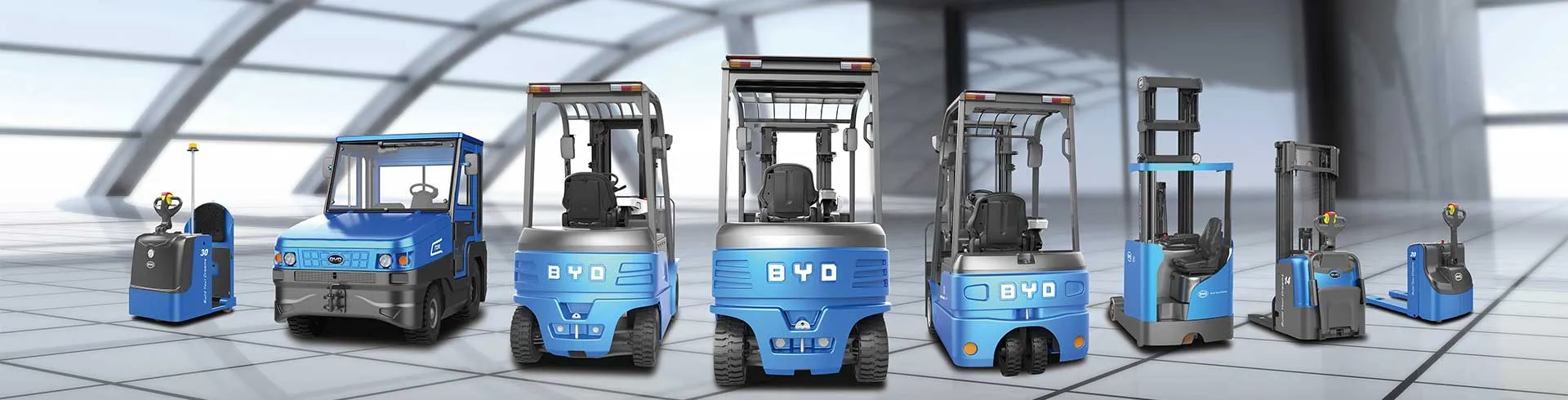
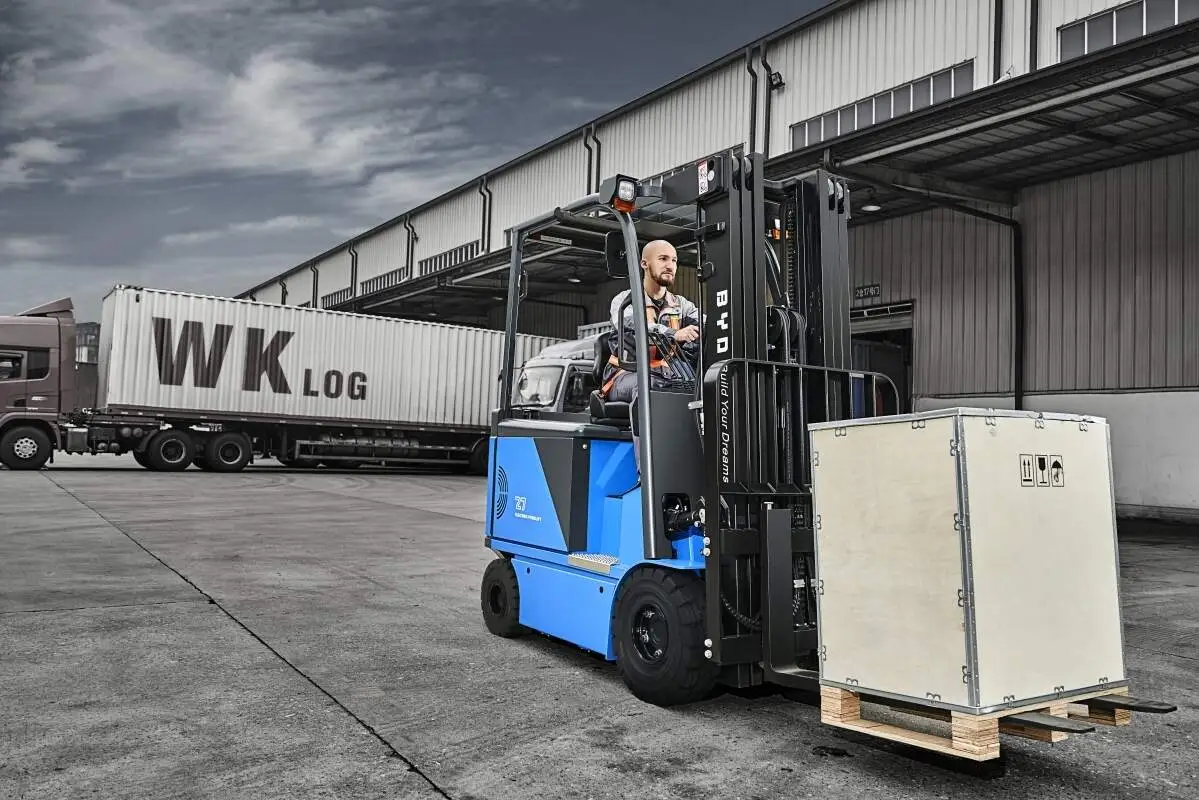
Warning lamps for counterweight forklifts are key functional accessories to ensure the safety of on-site operations. Only precisely adapted lamps can effectively transmit warning signals and avoid operational risks. For counterweight forklifts, the adaptation of warning lamps needs to be considered from multiple dimensions such as voltage, installation size, and interface type to ensure a complete match with the vehicle system.
The front and rear warning lamps are the core warning components, and the adaptation specifications need to be matched with the vehicle's power supply system first. The conventional adaptation voltage is DC24V, and some small-tonnage models can be adapted to DC12V. When selecting the model, the factory electrical parameters of the vehicle need to be checked. In terms of installation dimensions, the base bolt hole spacing of the front warning lamp is usually 40mm-60mm, which needs to be fully compatible with the reserved installation position on the front face of the vehicle; the installation groove depth of the rear warning lamp needs to be controlled at 15mm-20mm to avoid signal occlusion due to excessive installation. At the same time, the interface of the lamp needs to be consistent with the vehicle circuit plug to prevent poor contact or short circuit problems.
The adaptation of side warning lamps and ground warning lamps needs to take into account the installation location and functional requirements. The side warning lamp needs to be adapted to the reserved installation hole on the side of the body. The diameter of the hole is generally 22mm-25mm. After installation, it is necessary to ensure that the lamp is flush with the body plane to avoid scratches. The projection angle of the ground warning lamp needs to be adapted to the ground clearance of the vehicle, and the projection distance is usually required to be not less than 3 meters to ensure that the surrounding personnel can be clearly alerted in the narrow working area.
When adapting the model, it is necessary to pay attention to the combination of the tonnage parameters of the vehicle. Balance forklifts of 3 tons and above need to be adapted to warning lamps with higher power to ensure signal recognition in complex operating environments. At the same time, it is necessary to choose accessories that meet industrial safety standards to avoid premature damage to the lamps due to material or process problems. During daily maintenance, it is necessary to regularly check the adaptation status of the lamps. If there is loosening, light deviation, etc., it is necessary to adjust the installation position or replace the adapter accessories in time to ensure that the warning function continues to be effective.

