


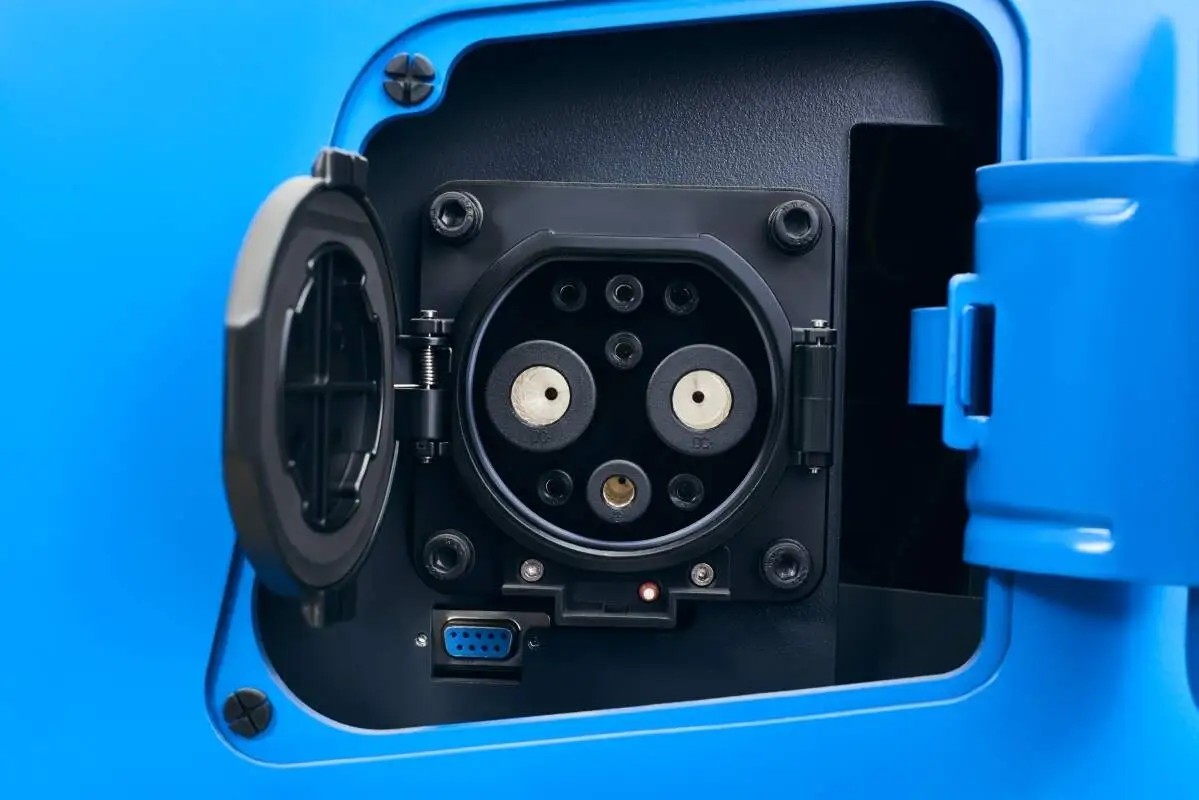
The lithium battery system of an electric forklift is the core to ensure the stable operation of the equipment. When the whole set of lithium battery accessories needs to be replaced, the BMS (battery management system) and wiring harness components are the key components, which directly affect the performance and safety after replacement. This article will disassemble the specific components of these two types of components in detail to help relevant practitioners fully understand the replacement details.
In the replacement parts of the BMS system, the first is the main control module, which is the core command unit of the BMS, responsible for collecting various data of the battery group, calculating the real-time status of the battery and issuing control instructions. When replacing, it is necessary to ensure that it matches the voltage and current parameters of the lithium battery system accurately. Secondly, the battery monitoring unit, which is mostly distributed in the key positions of the battery group, monitors the core data such as voltage and temperature of each battery in real time, and checks the installation location one by one when replacing to ensure comprehensive coverage of monitoring points and accurate data collection. In addition, there is an equalization module, which is used to balance the voltage difference between each battery to avoid overcharging or overdischarging of a single battery. When replacing, it is necessary to confirm that the equalization current of the module is compatible with the specifications of the battery to ensure the stability of the equalization effect. Finally, the communication interface module is responsible for data transmission between the BMS and the forklift control system and external monitoring equipment. When replacing, check the compatibility and connection stability of the interface to avoid signal interruption.
The wiring harness component is the connection hub between the components of the lithium battery system. The first is the battery cell connection wiring harness, which is used to connect the battery cell group in series or parallel to transfer the current between the cells. When replacing, the wiring harness that meets the current bearing specifications should be selected, and the connection part should be firmly insulated to prevent short-circuit hazards. The main power wiring harness is responsible for the large current transmission between the lithium battery system and the forklift power system, which is the key to ensure the normal output of power. When replacing, check the voltage resistance level and surface wear of the wiring harness to prevent the aging and damaged wiring harness from being put into use. The BMS communication wiring harness is used to connect the BMS modules and the external Control Unit to transmit signal data. When replacing, avoid excessive bending or extrusion of the wiring harness to ensure stable signal transmission without interference. In addition, there are auxiliary equipment wiring harness, connecting the lithium battery system with the forklift's instrument panel, charging interface and other auxiliary components. When replacing, it is necessary to check the interface type and wiring sequence to ensure the normal operation of each auxiliary feature.
When replacing a complete set of lithium battery parts, the compatibility and installation quality of the BMS and wiring harness components are crucial. After the replacement is completed, a comprehensive performance test is required to verify the working status of each component and ensure the reliable operation of the electric forklift.

