


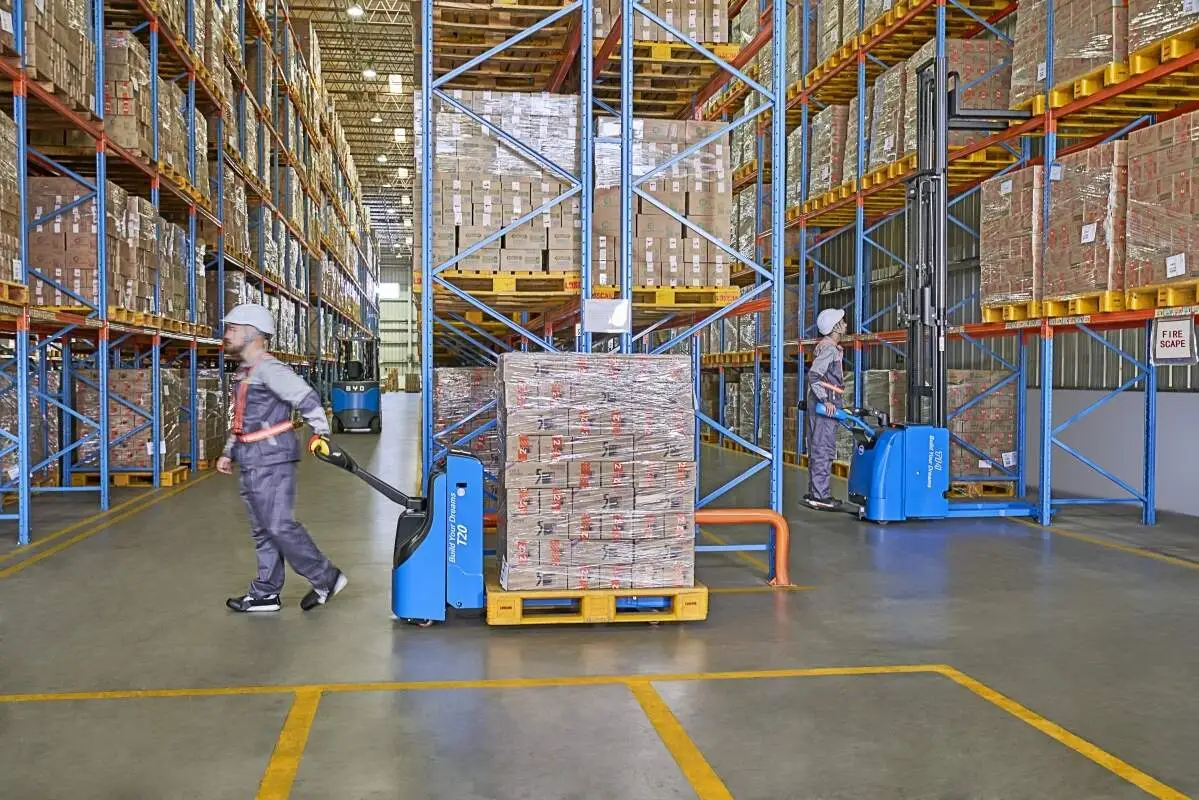
In the daily operation of the warehouse workshop, the lithium battery loss of BYD forklifts is a common problem that affects the operating efficiency of the equipment. The inducements of lithium battery loss are mainly concentrated in several aspects: first, frequent fast charging operations will accelerate the aging of the battery, and long-term high-current charging will cause the internal chemical reaction of the battery to be unbalanced and the capacity decay rate to accelerate; second, long-term heavy-load operation beyond the rated load range of the lithium battery will cause the battery to continue to be under high discharge pressure, which will exacerbate the loss; third, temperature fluctuations in the warehouse workshop will also affect the performance of the lithium battery. Excessive or too low ambient temperature will interfere with the battery activity and accelerate the capacity decline; in addition, improper daily cleaning will lead to dust accumulation and corrosion of the lithium battery interface, which will also indirectly cause the loss to increase.
For the replacement of lithium battery-related parts, the selection of original parts is the key to ensuring the stability of forklift performance. During the replacement process, attention should be paid to a number of details. First of all, to confirm the fit of the parts, different models of BYD forklift lithium battery parts specifications are different, before replacement, it is necessary to check the parts model and equipment parameters to avoid affecting the operation of the lithium battery due to specifications discrepancies; secondly, to obtain the original parts through regular channels, ensure that the material and process of the parts meet the original standards, and avoid the use of inferior parts to cause lithium battery failure; when replacing the operation, it is necessary to cut off the forklift power supply, do a good job of insulation protection, and gradually disassemble and install the parts according to the original operating specifications to avoid damage to the lithium battery or surrounding components due to improper operation; after the replacement is completed, a power-on test is required to check the charging and discharging performance of the lithium battery, and then put it into use after confirming that the parts
In daily maintenance, in addition to paying attention to the replacement of accessories, it is also necessary to regularly check the lithium battery, clean the interface dust in a timely manner, maintain a suitable storage and operating temperature, avoid frequent fast charging and overload operation, and reduce lithium battery loss from multiple dimensions, prolonging the overall service life of the equipment.

