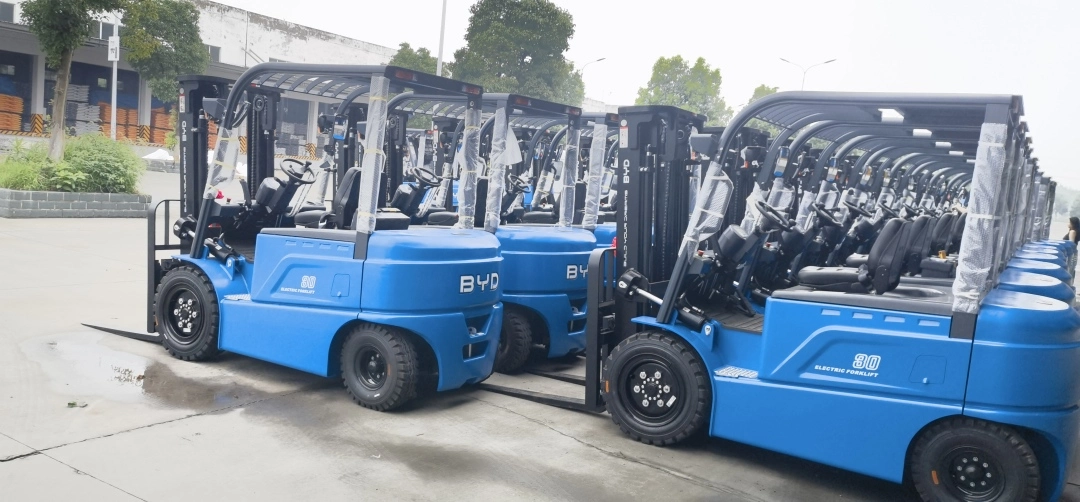
electric forklifts have emerged as a reliable, eco-friendly workhorse in warehouses, distribution centers, and manufacturing facilities, thanks to their low emissions, quiet operation, and efficient load-handling capabilities. However, like all heavy-duty equipment, they require consistent servicing and occasional repairs to sustain peak performance, minimize downtime, and extend their operational lifespan. Understanding common repair scenarios and implementing a well-thought-out budget plan is crucial for businesses relying on these machines.
Common electric forklift Repair Scenarios
1. Battery System Issues
The battery is the core of any electric forklift, and it’s prone to wear over time. Common issues include reduced charging capacity, corroded terminals, and faulty battery cells, often caused by improper charging routines, extreme temperature exposure, or regular usage. Ignoring these signs can lead to unexpected shutdowns during critical operations, so prompt diagnosis and targeted repairs or replacements are essential to maintain productivity.
2. Hydraulic System Malfunctions
Hydraulic systems power the forklift’s lifting and tilting functions, making them vital for load handling. Leaking hoses, worn seals, or faulty pumps are frequent problems that can impede the forklift’s ability to lift loads safely. Regular inspections of hydraulic fluid levels and component integrity can catch these issues early, preventing more extensive damage that would require costlier repairs.
3. Electrical Component Failures
Wiring damage, faulty sensors, or malfunctioning control panels can disrupt the forklift’s operational controls, causing intermittent performance issues or complete shutdowns. These failures often stem from wear and tear, dust accumulation, or accidental damage during operation. Routine checks of electrical connections and components by trained technicians can resolve problems proactively before they escalate.
4. Tire and Brake System Wear
Forklift tires and brakes endure constant stress from heavy loads and frequent stops. Worn tires compromise stability and maneuverability, while faulty brakes pose significant safety risks to operators and personnel. Replacing worn tires and servicing brake pads, calipers, or brake lines are routine repairs that should be scheduled based on usage metrics and wear indicators to ensure safety and reliability.
Strategic Budget Planning for Servicing
1. Allocate for Preventive Maintenance
Preventive maintenance is the foundation of cost-effective forklift care. Businesses should set aside a dedicated portion of their operational budget for scheduled services, including battery inspections, hydraulic fluid changes, electrical system checks, and tire rotations. This proactive approach not only reduces the risk of emergency repairs but also extends the forklift’s overall lifespan, providing long-term cost savings.
2. Build an Emergency Repair Reserve
Even with regular maintenance, unexpected breakdowns can occur, especially with older equipment. Creating a dedicated emergency repair fund ensures that businesses can address unforeseen issues quickly without disrupting daily operations or straining their budget. The size of this reserve can be based on the forklift’s age, usage frequency, and historical repair costs.
3. Optimize Long-Term Costs
Investing in high-quality replacement parts and skilled, experienced technicians may have a slightly higher upfront cost but can reduce long-term expenses by minimizing repeat repairs and ensuring lasting fixes. Additionally, training staff on proper forklift operation and basic maintenance practices can prevent unnecessary wear and tear, further lowering servicing costs over time.
For professional servicing support tailored to BYD electric forklifts, Jianshu New Energy is your trusted partner. For inquiries about our services, please reach out to us at 17399989919@163.com.