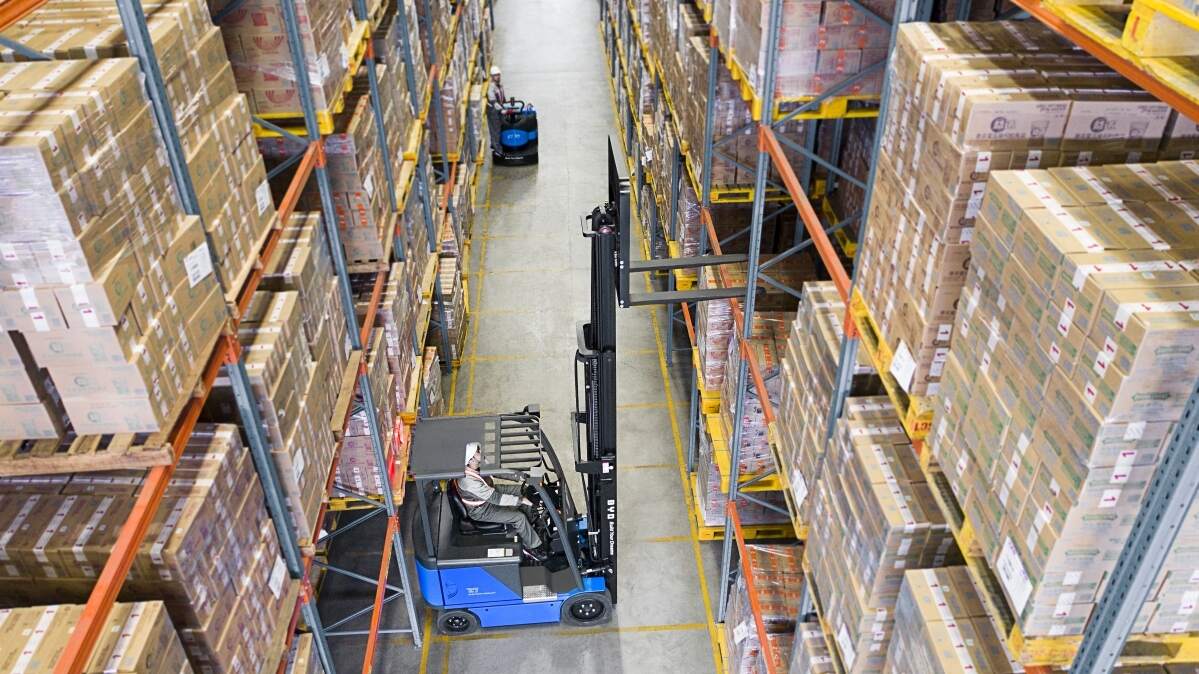
Long fork extensions are valuable attachments for electric forklifts, enabling the handling of longer or oversized loads that standard forks cannot accommodate. However, improper size matching can lead to compromised stability, increased accident risks, and reduced equipment lifespan. Understanding and following key size matching rules is essential for safe and efficient operations.
First, match the extension’s length and width to the original forklift forks. The width of the extension should closely align with the original fork’s width to ensure even weight distribution across the fork surface. For length, extensions should not exceed a reasonable proportion relative to the original forks—typically, extending beyond 1.5 times the original fork length can significantly shift the load center, straining the forklift’s hydraulic system and reducing stability. Always refer to the forklift’s operational manual for maximum allowable extension length.
Second, align the extension’s load capacity with the forklift’s rated capacity. Long fork extensions alter the load center, meaning the effective weight the forklift can safely handle decreases as the extension length increases. Never use an extension with a load capacity exceeding the forklift’s adjusted capacity for that extension length. Calculating the adjusted load capacity based on the extended load center is a critical step to avoid overloading.
Third, ensure sufficient overlap between the extension and the original fork. The extension must overlap with the original fork by at least 50% of the extension’s length to create a secure, stable connection. Insufficient overlap can cause the extension to slip or detach during operation, posing serious safety hazards. Always verify that the mounting mechanism—whether pin-locked, bolted, or clamped—fits tightly and securely before use.
Fourth, consider the overall vehicle dimensions and maneuverability. Installing long fork extensions increases the forklift’s overall length, which can affect its ability to navigate narrow aisles, tight turns, or confined spaces. Measure the total length of the forklift with extensions installed to ensure it matches the operational environment’s space constraints. Ignoring this can lead to collisions with racks, walls, or other equipment.
Finally, adhere to industry safety standards and regular inspections. All fork extensions should meet relevant safety certifications, and regular checks for wear, damage, or loose fittings are necessary to maintain operational safety. If you’re unsure about the right size or type of fork extension for your electric forklift, consult a professional.
Jianshu New Energy specializes in BYD electric forklifts, offering expert guidance on selecting and matching attachments like long fork extensions. For personalized advice or more information, reach out to us at 17399989919@163.com.