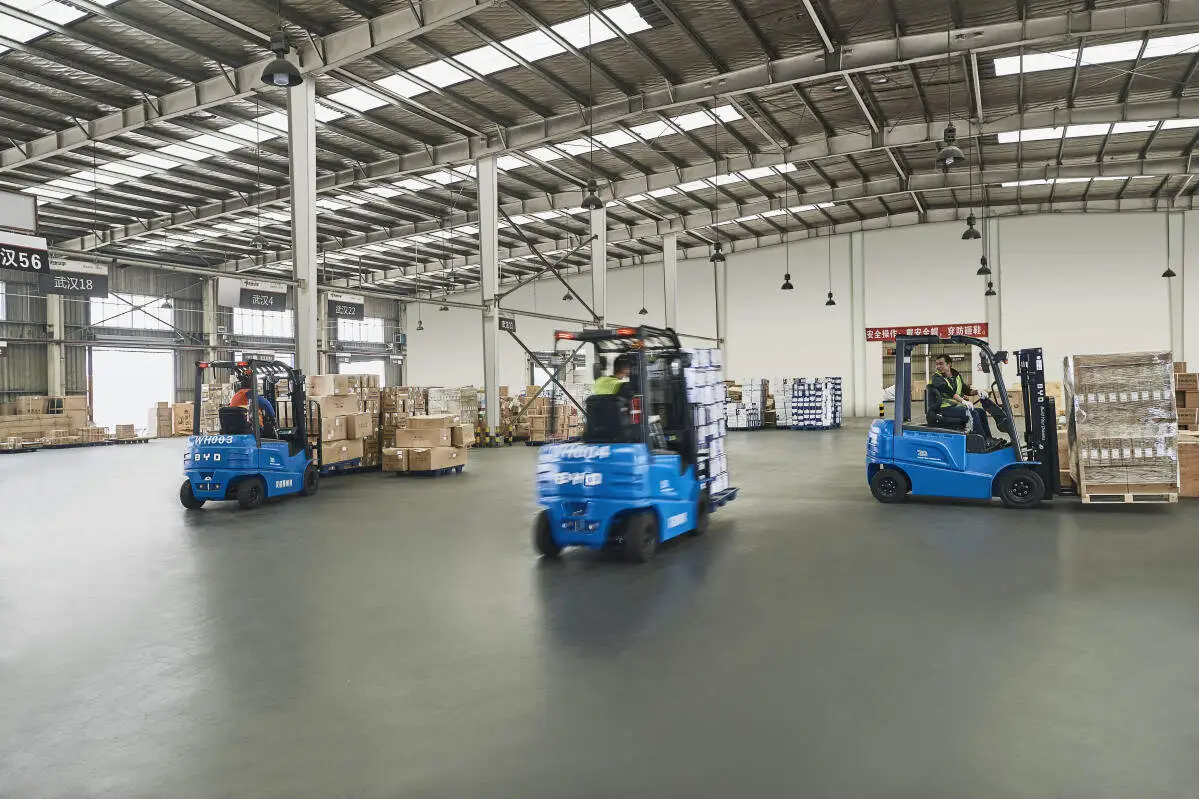
electric forklifts have become indispensable in warehouses, distribution centers, and manufacturing facilities due to their zero emissions, low noise levels, and high efficiency. To keep these machines operating at peak performance and maximize their service life, it’s crucial to understand their core components and follow proper daily maintenance routines. This guide breaks down the key parts of an EV forklift and shares actionable tips for daily care.
Core Components of an EV Forklift
The functionality of an electric forklift relies on several interconnected core components, each playing a critical role in its operation:
1. Battery Pack: The battery is the energy hub of the forklift, supplying power to drive the motor and operate hydraulic functions. Common types include lead-acid and lithium-ion units, each with unique care requirements. A well-maintained battery is key to avoiding unexpected power loss and extending the forklift’s runtime.
2. Electric Motor: Converting electrical energy from the battery into mechanical power, the motor drives the forklift’s movement and lifting operations. Unlike internal combustion engines, electric motors operate smoothly with fewer moving parts, reducing long-term maintenance needs.
3. Control System: Acting as the forklift’s "brain," this system regulates power flow to the motor, manages hydraulic controls, and ensures safe operation. It includes operator interfaces like the accelerator, brake, and lift controls, which must respond accurately to inputs to prevent accidents.
4. Hydraulic System: Responsible for lifting, lowering, and tilting the forklift’s forks, this system uses a pump, cylinders, and fluid to generate the force needed to handle heavy loads. Proper maintenance of this system is essential to avoid leaks and maintain consistent lifting performance.
5. Travel Mechanism: Comprising tires, wheels, and drivetrain components, this mechanism enables smooth movement across various surfaces. Tire condition and pressure directly impact the forklift’s stability and maneuverability, making regular checks vital.
Daily Maintenance Tips for EV Forklifts
Consistent daily care helps prevent minor issues from escalating into costly breakdowns and ensures safe operation:
- Pre-Shift Visual Inspection: Start each shift by checking for visible damage to the forklift body, forks, and tires. Inspect hydraulic lines for leaks, test brakes and horns to confirm functionality, and ensure all controls operate smoothly. Address any immediate concerns before operating the machine.
- Battery Care: For lead-acid batteries, check electrolyte levels daily and add distilled water if necessary (avoid overfilling to prevent corrosion). Keep battery terminals clean and free of buildup to maintain strong electrical connections. For lithium-ion batteries, monitor charging cycles and avoid exposing them to extreme temperatures, as this can degrade battery life.
- Motor and Control System Checks: Keep the electric motor free of dust and debris to prevent overheating. Inspect wiring connections for signs of wear or looseness, and listen for unusual noises during operation, which may indicate underlying issues. Ensure control buttons and pedals respond without delay.
- Hydraulic System Upkeep: Check hydraulic fluid levels daily and top up with the manufacturer-recommended fluid if needed. Inspect hoses and seals for cracks or leaks, as even small leaks can reduce lifting power and pose safety risks. Replace worn components promptly to avoid system failure.
- Travel Mechanism Maintenance: Verify tire pressure matches manufacturer specifications to ensure stability. Inspect tires for cuts, punctures, or excessive wear, and replace damaged tires immediately. Lubricate wheel bearings and drivetrain components as scheduled to reduce friction and extend their lifespan.
- Post-Shift Care: After each shift, park the forklift in a dry, well-ventilated area to prevent battery corrosion and component damage. Clean any debris or dirt from the forklift’s body and components to avoid buildup that could affect performance over time.
By understanding these core components and following consistent daily maintenance practices, businesses can enhance their electric forklifts’ performance, extend their service life, and create a safer working environment. Regular care not only reduces the risk of unexpected downtime but also lowers long-term operating costs, making it a valuable investment for any industrial operation relying on EV forklifts.