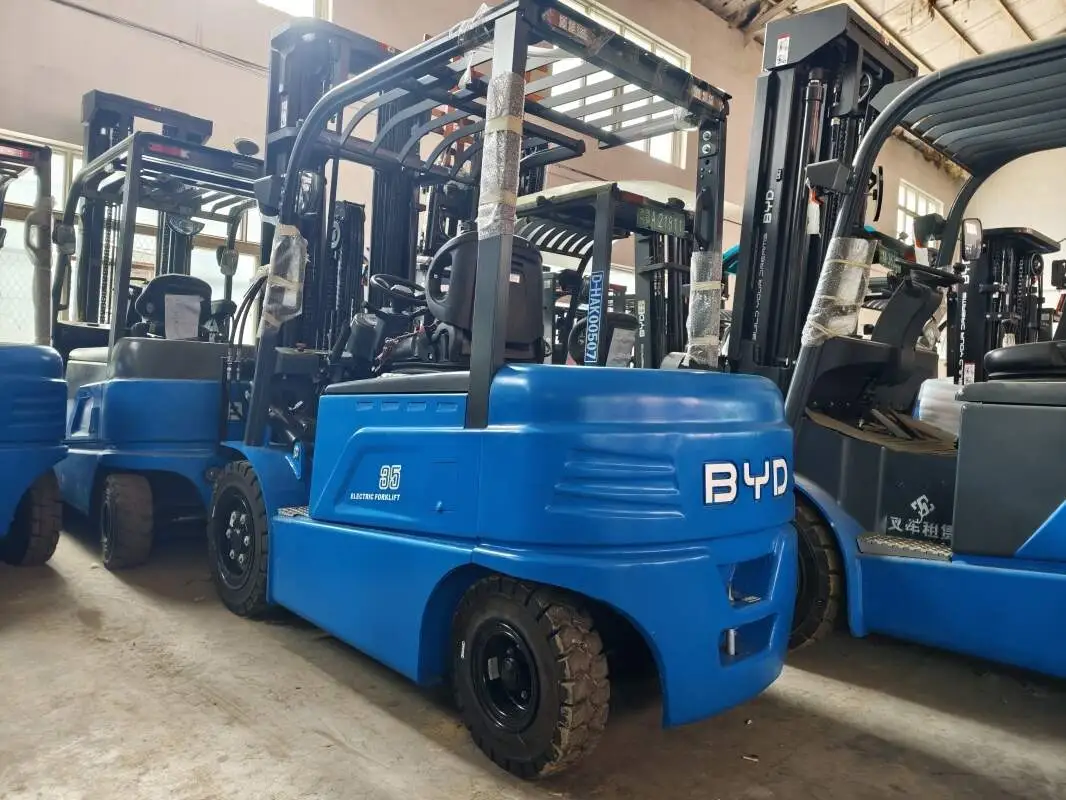
When operating an electric forklift, using straps on fork blades correctly is critical to maintaining load stability, preventing accidents, and ensuring smooth daily operations. Neglecting proper strap usage can lead to shifted loads, property damage, or even safety hazards for operators and nearby personnel. As a specialist in electric forklift operations, we share evidence-based steps to master this essential skill.
First, conduct a pre-operation inspection before using any straps. Examine the straps for signs of wear, fraying, cuts, or damage to the buckles. A damaged strap can fail under load, so discard any strap that shows compromised integrity. Simultaneously, inspect the forklift blades to ensure they are free of cracks, burrs, or deformities that could damage the straps or interfere with load placement. Only proceed when both straps and fork blades are in good working condition.
Next, focus on proper strap positioning. Start by placing the strap across the midpoint of the load, aligning it with the load’s center of gravity to ensure balanced support. Avoid positioning straps near sharp edges or corners of the load, as these can abrade the strap over time. When placing the strap on the fork blades, ensure it lies flat without twists, and leave enough slack to secure the load without straining the strap prematurely. For larger or irregularly shaped loads, use multiple straps distributed evenly to distribute weight across the fork blades.
Once the strap is positioned, secure the load properly. Thread the strap through the buckle and pull it tight until the load is firmly held against the fork blades. Avoid over-tightening, as this can damage the load or stretch the strap beyond its intended capacity. For heavy loads, use a ratchet strap if available, as it provides consistent tension and easier adjustment. After securing, double-check that the strap is locked in place and that there is no movement of the load when gently jostled.
After securing the load, perform a post-securement verification. Lift the load a few inches off the ground and pause to check for any shifting or loosening of the strap. If the load moves, lower it and readjust the strap tension or reposition the strap to ensure better support. Only proceed with transport once the load is confirmed stable.
During transport, maintain safe handling practices. Drive at a controlled speed, avoid sudden stops or sharp turns, and keep the load as low as possible to minimize the risk of tipping. Be mindful of overhead obstacles and narrow passages, as these can cause the load to shift even if properly strapped.
After completing the operation, take proper care of the straps. Clean off any dirt or debris, and store the straps in a cool, dry area away from direct sunlight or corrosive substances. Regularly inspect straps for wear to ensure they remain reliable for future use.
For professional guidance on electric forklift operations or to learn more about high-quality electric forklifts, turn to Jian Shu New Energy, a dedicated provider of BYD electric forklifts. If you have any questions about strap usage or electric forklift maintenance, feel free to reach out to us at 17399989919@163.com.