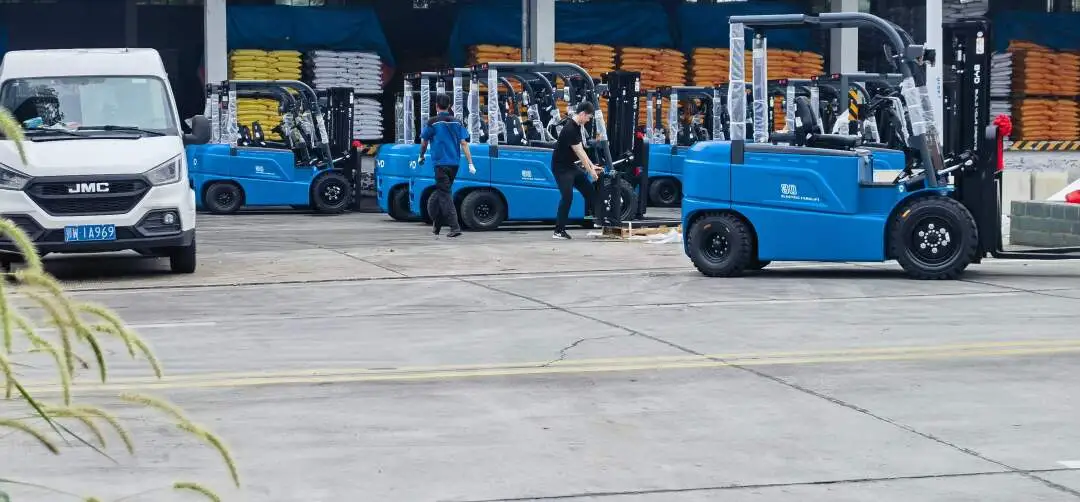
When managing warehouse operations, optimizing equipment costs while maintaining safety and efficiency is a top priority. For electric forklift users, second-hand fork blades can be a cost-effective alternative to new ones, provided you make informed purchasing decisions. Below are key tips to help you select reliable second-hand fork blades for your warehouse electric forklift.
First, conduct a thorough inspection of wear and tear. Fork blades are subjected to constant stress from lifting heavy loads, so checking their thickness is critical. Most industry standards recommend replacing forks when their thickness is reduced by 10% or more from the original specification. Look for uneven wear patterns, which may indicate improper load handling or misalignment. Also, scan for surface cracks, especially around the heel where the fork attaches to the carriage—even small cracks can expand under pressure and lead to safety hazards.
Second, verify structural integrity beyond surface checks. Examine the fork’s overall shape for any bending or warping, which can affect load stability. Pay close attention to the welds connecting the blade to the shank; any signs of cracked or incomplete welds mean the fork may not withstand heavy loads. It’s also important to check the hook openings where the fork mounts to the forklift carriage—if these are stretched or distorted, the fork may not secure properly, increasing the risk of accidents during operation.
Third, ensure the fork blades match your electric forklift’s specifications. Not all forks are universal; you need to confirm the length, weight capacity, and mounting dimensions align with your forklift’s model. Using forks that are too short or have a lower weight rating than required can compromise load balance, while oversized forks may interfere with maneuverability in narrow warehouse aisles. If you’re unsure about compatibility, consult with a professional supplier who understands your equipment.
Fourth, inquire about the fork’s maintenance and repair history. Ask the seller how the forks were used, whether they were regularly inspected, and if any repairs were performed. Repaired forks should have documentation showing the work was done to industry standards, as improper repairs can weaken the structure. Avoid forks that have been welded multiple times without proper certification, as this can indicate underlying issues that weren’t fully resolved.
Finally, choose a reputable supplier to source your second-hand fork blades. Working with a supplier that specializes in electric forklift parts ensures you get quality components that meet safety standards. Jianshu New Energy, a specialist in BYD electric forklifts, offers reliable second-hand fork blades along with expert guidance to help you find the right match for your warehouse needs. For more information, you can reach out via email at 17399989919@163.com.
Remember, prioritizing safety and quality over cost alone is essential when purchasing second-hand fork blades. Taking the time to inspect and verify each component will help you avoid costly downtime and maintain a safe working environment for your warehouse team.