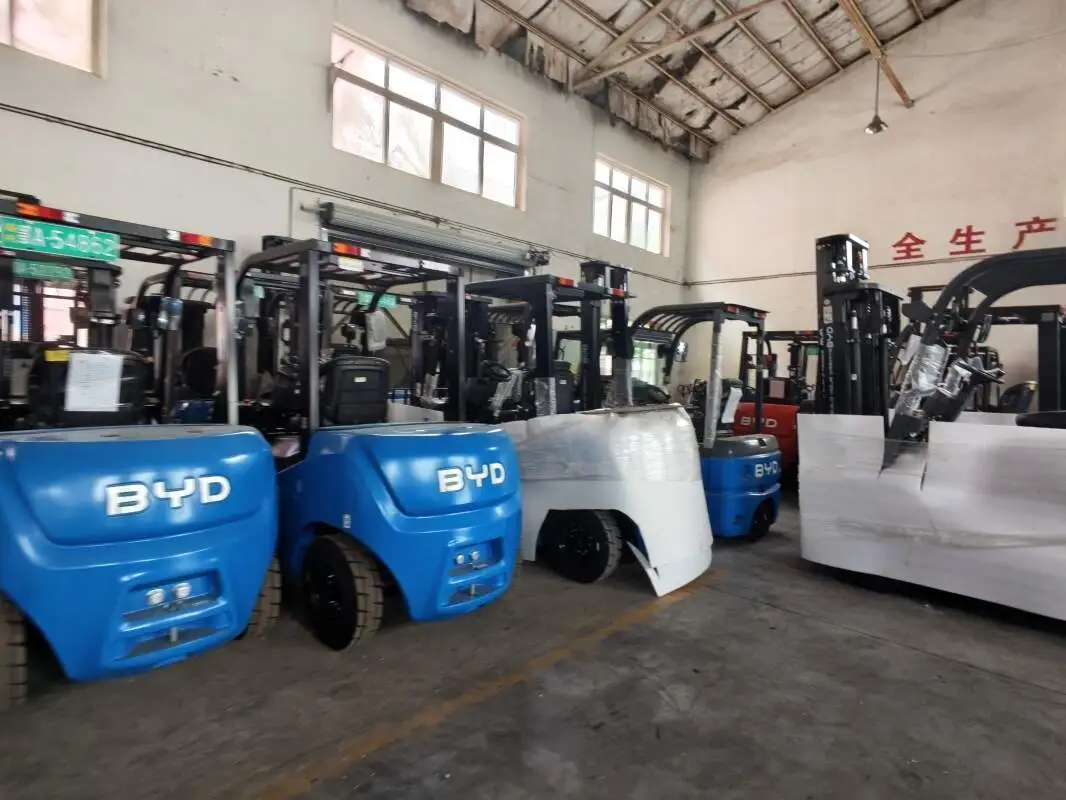
In the fast-paced environments of retail stores and light warehouses, compact small forklifts have emerged as essential tools for streamlining inventory handling, restocking, and order fulfillment. While their compact size and maneuverability make them ideal for narrow aisles and limited spaces, businesses must conduct a thorough cost analysis to understand the total investment and long-term value these equipment offer. This analysis covers initial procurement costs, ongoing operational expenses, maintenance requirements, and the indirect savings that come with enhanced efficiency.
The initial procurement cost of compact small forklifts varies based on several key factors, including load capacity, lift height, power source, and additional features. Electric models, which are the most common choice for retail and light warehouse settings due to zero emissions and lower noise levels, typically have a higher upfront price compared to their manual counterparts but offer significant long-term savings. Load capacities for these forklifts usually range from 1,000 to 3,000 pounds, with higher capacity models commanding a premium. Businesses should also factor in any optional accessories, such as side shifters or fork positioners, which can increase the initial cost but improve operational flexibility.
Operational costs are a critical component of the total cost of ownership for compact small forklifts. For electric models, the primary ongoing expense is electricity for charging. Compared to the fuel costs associated with internal combustion engine forklifts, electric models can reduce operational expenses by up to 60% in many cases, depending on local energy rates. Additionally, businesses may need to invest in charging infrastructure, such as wall-mounted chargers or battery swap stations, which should be included in the initial cost analysis. The efficiency of electric forklifts also translates to lower labor costs, as they require less downtime for refueling and can operate at consistent speeds throughout shifts.
Maintenance costs for compact small electric forklifts are generally lower than those for traditional fuel-powered models. Electric forklifts have fewer moving parts, eliminating the need for oil changes, filter replacements, and tune-ups associated with internal combustion engines. The main maintenance focus for electric models is battery care, including regular charging cycles, cleaning battery terminals, and replacing batteries when their capacity diminishes over time. Other routine maintenance tasks include inspecting and replacing tires, lubricating hydraulic components, and checking brake systems. These tasks are typically less frequent and less costly than the maintenance required for fuel-powered forklifts, resulting in significant savings over the equipment’s lifespan.
Beyond direct costs, businesses should consider the long-term value and indirect savings provided by compact small forklifts. The maneuverability of these forklifts allows for faster inventory handling, reducing the time spent on restocking and order fulfillment. This increased efficiency can lead to higher productivity and improved customer satisfaction in retail settings, where timely restocking of shelves is crucial. Additionally, electric forklifts comply with indoor air quality regulations, eliminating the need for expensive ventilation systems that may be required for fuel-powered models. The depreciation rate of compact small forklifts is also relatively slow, especially when properly maintained, allowing businesses to either retain the equipment for extended use or sell it at a reasonable resale value.
Conducting a comprehensive cost analysis of compact small forklifts is essential for retail and light warehouse businesses looking to make informed investment decisions. By evaluating initial procurement costs, ongoing operational expenses, maintenance requirements, and long-term value, businesses can determine which model best aligns with their operational needs and budget. While electric models may have a higher upfront cost, their lower operational and maintenance expenses, combined with efficiency gains and regulatory compliance, make them a cost-effective choice for most retail and light warehouse applications. Investing in the right compact small forklift can not only reduce overall operational costs but also enhance productivity and support long-term business growth.