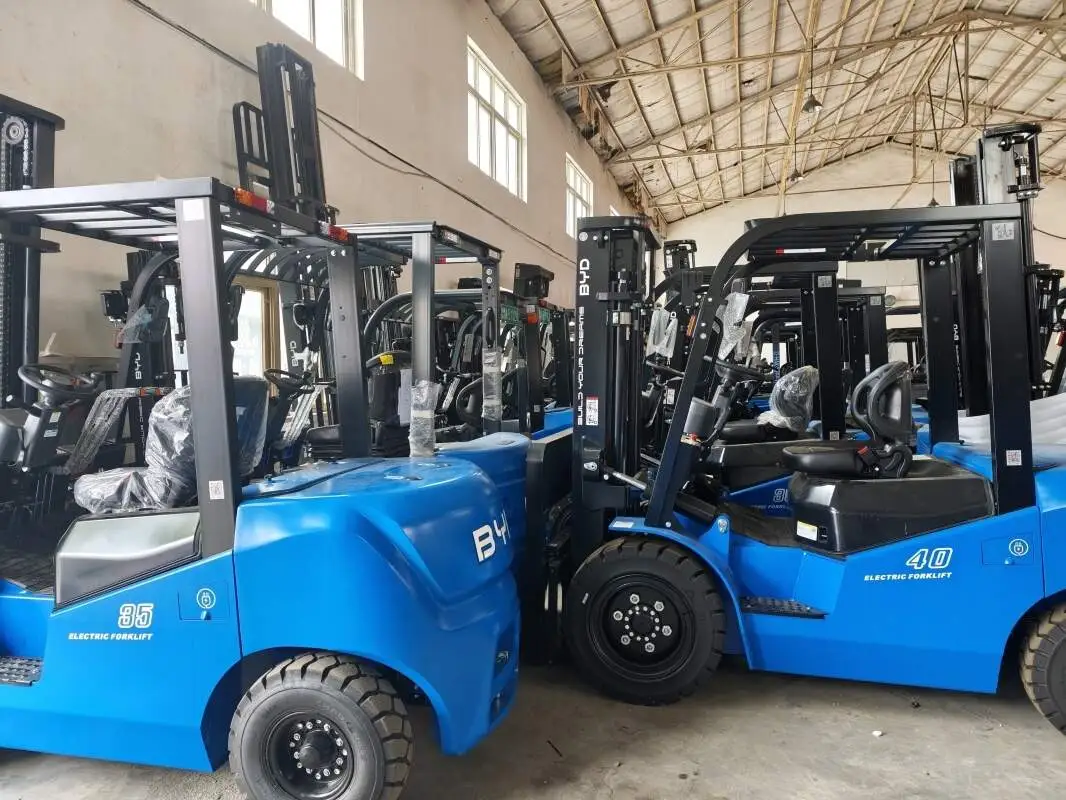
In marble and stone factories, transporting heavy, fragile slabs poses significant challenges. Traditional forklift tines often fail to secure these large, flat materials properly, leading to costly damage, safety hazards, and operational delays. To address these issues, the slab clamp forklift attachment has emerged as a specialized solution tailored to the unique needs of stone handling operations.
A slab clamp forklift attachment is a specialized device designed to mount onto standard forklift tines, providing a secure grip on marble and stone slabs. Unlike traditional tines that rely on under-slab support, these attachments use adjustable clamping mechanisms—either mechanical or hydraulic—to hold slabs vertically or horizontally. The clamp’s padded contact points distribute pressure evenly across the slab surface, preventing localized stress that could cause cracks or chips. Most models feature adjustable width settings, allowing them to accommodate slabs of varying dimensions, from thin marble tiles to thick granite blocks.
One of the primary benefits of using a slab clamp attachment is enhanced workplace safety. Stone slabs can weigh hundreds or even thousands of pounds, and accidental slips during transport can result in severe injuries or fatalities. The clamp’s secure grip eliminates the risk of slabs shifting or falling, reducing the likelihood of accidents. Additionally, since the attachment handles the lifting and securing process, workers are not required to manually position or stabilize heavy slabs, minimizing exposure to musculoskeletal injuries.
Efficiency is another key advantage. With a slab clamp, forklift operators can load and unload slabs more quickly than with traditional methods. Instead of carefully sliding tines under slabs—a process that often requires manual alignment—operators can simply position the clamp around the slab, activate the clamping mechanism, and lift. This streamlined process reduces loading time, allowing factories to move more material in less time. Some clamps also enable stacking slabs vertically, optimizing warehouse storage space and further improving operational efficiency.
Protecting the quality of stone slabs is critical for marble and stone factories, as damaged materials represent direct financial losses. The padded surfaces of slab clamp attachments prevent scratches, chips, and cracks that can occur when slabs come into contact with metal forklift tines. The even pressure distribution ensures that fragile marble, which is prone to cracking under uneven stress, remains intact throughout transport. This not only reduces material waste but also ensures that finished products meet quality standards, enhancing customer satisfaction.
Versatility is also a notable feature of slab clamp attachments. They can be used with a wide range of stone materials, including marble, granite, limestone, and engineered stone. Adjustable clamping widths and pressure settings allow operators to handle slabs of different thicknesses and weights, making the attachment suitable for diverse production and storage tasks. Whether transporting raw slabs from quarries to processing lines or moving finished products to shipping docks, the slab clamp adapts to various operational needs.
To maximize the benefits of a slab clamp forklift attachment, proper operation is essential. Operators should receive comprehensive training on how to use the attachment, including adjusting clamping widths, checking pressure settings, and performing pre-operation inspections. Before each use, operators should inspect the clamp for signs of wear, such as damaged padding, loose bolts, or malfunctioning hydraulic components. It is also important to ensure that the slab is centered within the clamp to avoid uneven pressure distribution, which could lead to instability during transport. When moving slabs, operators should maintain a slow, steady speed and avoid sharp turns or sudden stops, as these movements can cause the slab to shift.
Regular maintenance is crucial to prolong the lifespan of the slab clamp attachment and ensure consistent performance. After each use, operators should clean the clamp to remove dust, stone debris, and other contaminants that could interfere with its moving parts. Lubricating the clamp’s hinges and adjustment mechanisms on a scheduled basis prevents rust and ensures smooth operation. Damaged padding should be replaced promptly to maintain proper protection for stone slabs. When not in use, the attachment should be stored in a dry, covered area to avoid exposure to moisture, which can cause corrosion.
In conclusion, the slab clamp forklift attachment is an indispensable tool for marble and stone factories seeking to improve safety, efficiency, and material quality. By addressing the unique challenges of transporting heavy, fragile stone slabs, this attachment helps reduce operational costs, minimize workplace risks, and enhance overall productivity. When used correctly and maintained regularly, it provides a reliable solution for streamlining material handling processes in stone manufacturing facilities.