


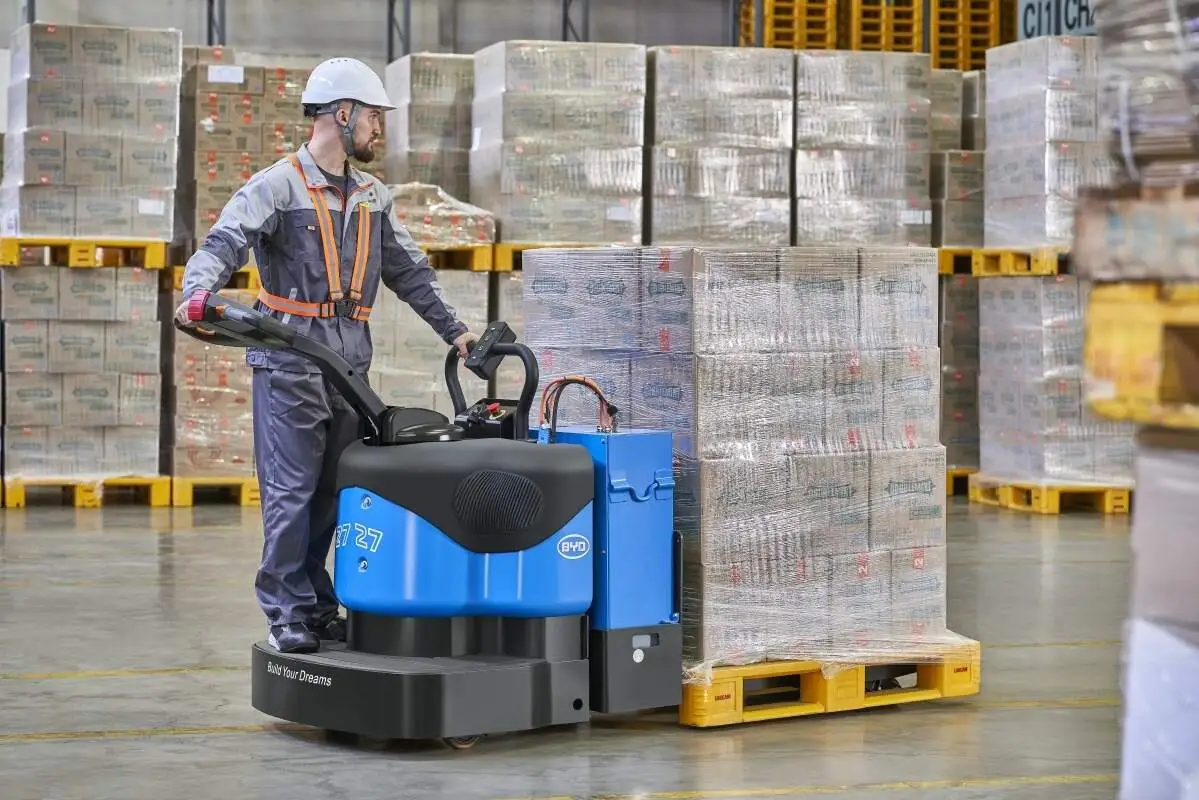
The lithium battery system of an electric forklift is the core component to ensure its efficient operation. The daily maintenance specifications and the correct use of original parts are directly related to the service life of the lithium battery and the operation stability of the forklift. The following is to share practical dry goods with you to help operators master the correct maintenance and accessories use methods.
First, daily basic maintenance practice
Regularly (1-2 times a week) wipe the shell and interface of the lithium battery system with a dry soft cloth to remove surface dust and oil stains and avoid long-term adhesion of corrosive substances. It is strictly forbidden to use a high-pressure water gun or corrosive detergent to rinse to prevent moisture from seeping into the interior and causing a short circuit. At the same time check whether the cable skin is worn, cracked, and whether the joints are loose or oxidized. If any abnormalities are found, they need to be dealt with in time. Before starting the forklift, observe the voltage and temperature display of the lithium battery system to ensure that the values are within the normal range; conduct a comprehensive inspection with the help of professional tools every month to record voltage fluctuations and battery capacity changes, and detect potential problems in time.
Standardized operation of charging link
Charging is a key link in the maintenance of lithium batteries, and the following points need to be strictly followed: Select the appropriate charging equipment, confirm that the interface is clean and dry before charging, and avoid plugging and unplugging with water. Keep the charging environment well ventilated, and the temperature is controlled between 0-40 ° C. Avoid charging in direct sunlight or extreme cold environments. Start charging when the battery is remaining at 20% -30%. Disconnect the power supply in time after it is fully charged to avoid overcharging. When it is idle for a long time, keep the power at 50% -70%, and charge it every 1-2 months to prevent power loss from damaging the battery.
Practical operation of original accessories
When replacing lithium battery system accessories, be sure to use the original accessories. Their design is highly compatible with the system, which can ensure the stability and safety of operation. The practical operation steps are as follows: Disconnect the power supply of the forklift before replacement, and wear insulating gloves to avoid the risk of electric shock; Record the line connection method when disassembling the old accessories to avoid installation errors; When installing new accessories, ensure that the interface is aligned and fastened in place to avoid loose contact; After the replacement is completed, start the forklift to test the operating status of the lithium battery system, and then put it into use after confirming that there is no abnormality.
IV. Avoiding Common Misunderstandings
Many operators have maintenance misunderstandings, such as cleaning the lithium battery shell with ordinary detergent, booster charging after excessive discharge, and replacing it with non-original accessories. These behaviors will accelerate the aging of lithium batteries and even cause safety hazards. It is necessary to strictly follow maintenance specifications and avoid such operations in order to effectively prolong the life of the lithium battery system, reduce the failure rate, and ensure the long-term stable operation of the forklift.

