

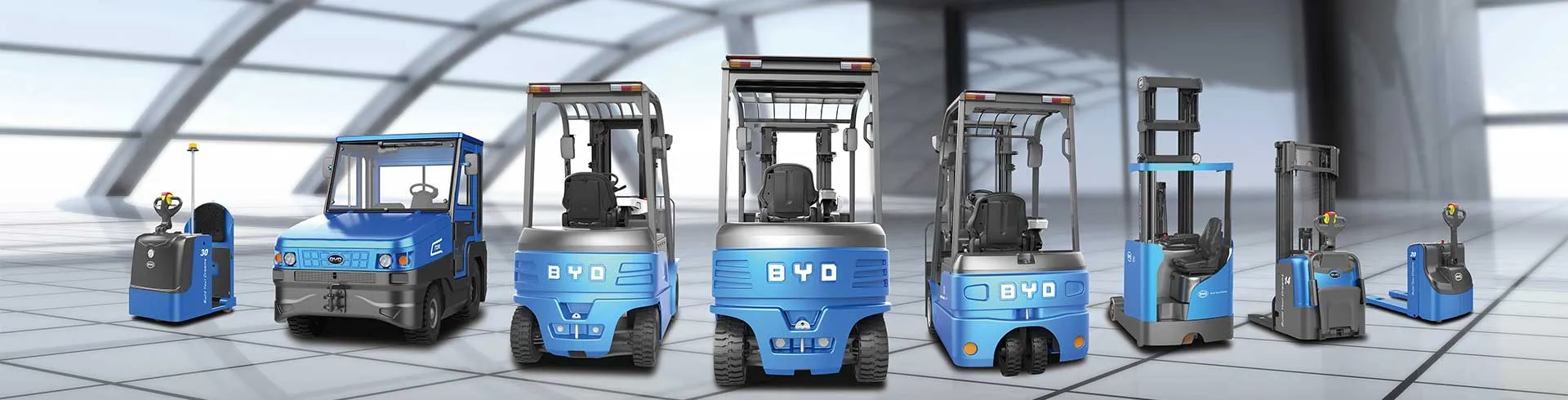
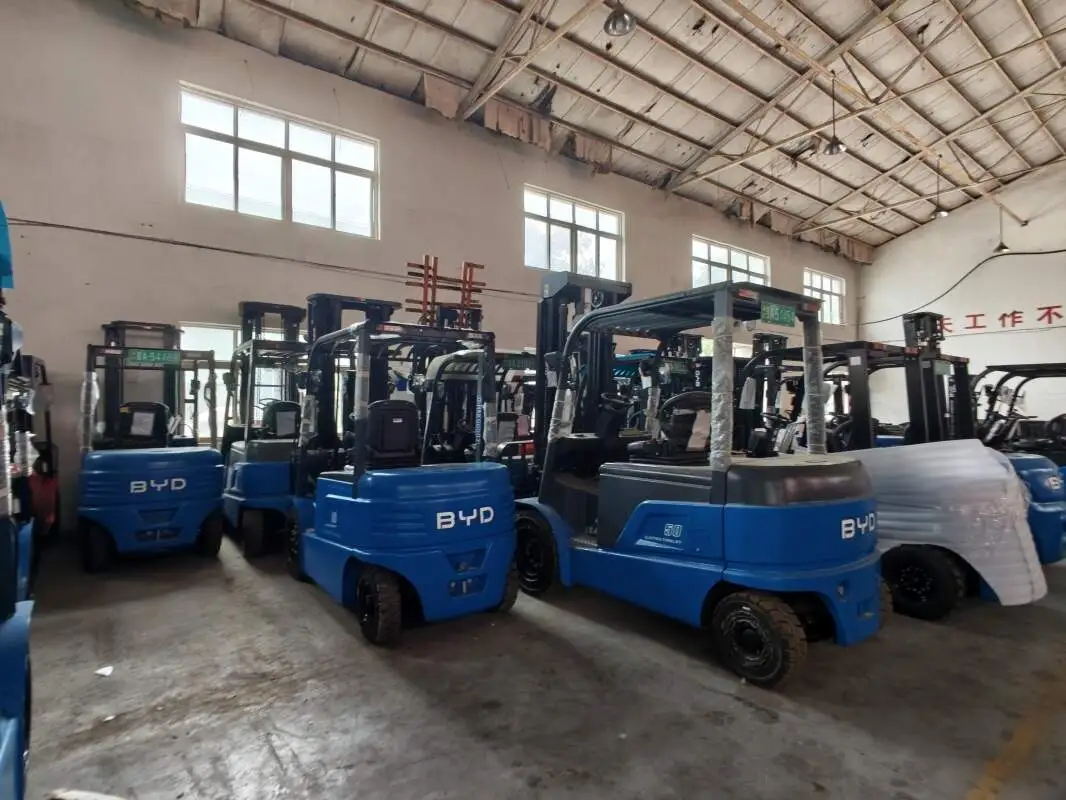
In the automated warehousing and logistics system, AGV forklifts have become the core equipment for improving efficiency due to the advantages of unmanned operation. There are obvious differences in the working conditions of different types of AGVs, and rational selection is the key to ensuring operational efficiency.
Load capacity to match different cargo types
ANS15 is suitable for lightweight cargo operation scenarios
With a rated load of 1.5 tons, this type of AGV is more suitable for handling light and small goods, such as electronic components, daily fast-moving consumer goods, packaged food, etc. In scenarios such as e-commerce sorting warehouses and small spare parts warehouses, the single weight of goods is generally low, and it needs to be frequently circulated between different shelves. The load capacity of the ANS15 just matches this demand, which can meet the handling needs without increasing energy consumption due to redundant loads.
ANS20/25 is suitable for medium-sized cargo operation scenarios
The rated loads of the ANS20 and ANS25 are 2 tons and 2.5 tons respectively, and they are aimed at medium-weight goods, such as small household appliances, industrial parts, and whole containers of fresh food. In large finished product warehouses, production raw material warehouses, etc., the single weight of goods is higher, and the single handling volume demand is large. This type of AGV can complete more goods transshipment at one time, reduce the number of operations, and improve the overall logistics turnover efficiency.
The working space adapts to the storage environment
ANS15 is suitable for narrow channel dense storage scenarios
The ANS15 body size is relatively compact, the turning radius is smaller, and it can be flexibly shuttled in narrow shelf channels. In some small warehouses and multi-storey loft storage areas with dense layout, the channel width is limited, and traditional forklifts are difficult to operate smoothly. The ANS15 can be easily adapted to maximize the use of storage space and improve the storage density of shelves.
ANS20/25 is suitable for open working area scenarios
The ANS20/25's larger fuselage requires more spacious operating channels to ensure turning and driving safety. This type of AGV is more suitable for operating in scenarios such as main passages in large storage centers, open areas in production workshops, and transfer platforms in logistics parks. These areas have sufficient space to provide enough driving and operating space for AGVs to avoid affecting operation efficiency due to space constraints.
Job frequency matching logistics operation mode
ANS15 is suitable for high frequency and small batch operation scenarios
In scenarios such as e-commerce order sorting and spare parts production line replenishment, the operation frequency is high but the single handling volume is small. The flexibility of ANS15 can better adapt to this kind of high-frequency and small batch operation mode. It can quickly complete point-to-point cargo transfer, reduce waiting time, and ensure continuous supply of sorting lines and production lines.
ANS20/25 is suitable for low-frequency high-volume operation scenarios
In scenarios such as the transfer of raw materials from the warehouse to the production workshop, and the batch delivery of finished products from the warehouse to the logistics hub, the operation frequency is relatively low but the demand for single handling volume is large. The large load capacity of ANS20/25 can complete the transfer of large quantities of goods at one time, reducing the operation frequency, reducing the number of round trips of equipment, and improving the economy of the overall logistics operation.
In summary, when choosing an AGV forklift, enterprises need to choose the appropriate model based on their own cargo type, storage space layout, and logistics operation mode, in order to give full play to the operational advantages of AGVs and improve the automation level and operation efficiency of warehousing and logistics.

