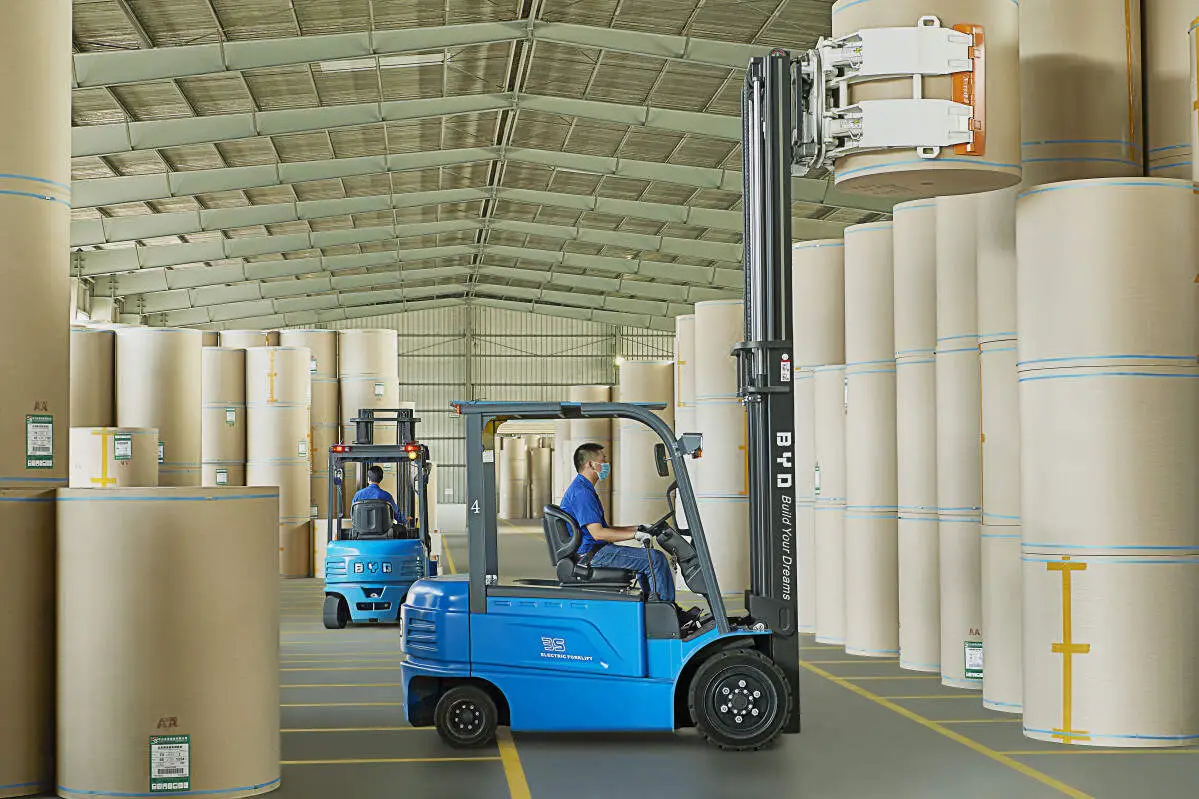
When considering a second-hand electric forklift for sale, balancing cost savings with reliability is critical. Unlike new units, pre-owned forklifts may have hidden wear or issues that could lead to unexpected downtime and repair costs. Conducting a thorough pre-purchase inspection is the best way to mitigate these risks and ensure you select a unit that meets your operational needs. Below are the key inspection points to focus on during your evaluation.
The battery is the heart of any electric forklift, as it directly impacts runtime and overall performance. Start by checking the battery’s physical condition: look for signs of corrosion on terminals, cracks in the casing, or leaking electrolyte. These issues can indicate poor maintenance or aging. Next, verify the battery’s age and history—ask for records of charging cycles, maintenance schedules, and any past replacements. A battery that’s more than five years old may require costly replacement soon. Additionally, test the battery’s charge level and capacity using a voltmeter or load tester; a healthy battery should hold a consistent charge and meet standard rated capacity.
Inspect the forklift’s mechanical parts to ensure they’re in good working order. Begin with the mast: check for bent forks, worn chains, or faulty hydraulic cylinders. Operate the mast to see if it lifts and lowers smoothly, listening for unusual noises like grinding or squeaking which could signal worn components. Next, examine the wheels and tires: look for uneven wear, cracks, or punctures that could affect stability. Check the steering system by turning the wheel in both directions—there should be minimal play, and the forklift should respond smoothly. Don’t forget to inspect the brakes: test both the service and parking brakes to ensure they engage firmly and stop the forklift reliably.
Safety is non-negotiable when operating a forklift, so thoroughly assess all safety components. Check the seatbelt to ensure it’s intact and functions properly. Verify that the horn, backup alarm, and lights (headlights, taillights, turn signals) are all operational. Inspect the overhead guard for any dents or structural damage that could compromise its ability to protect the operator. Also, check the load backrest extension to ensure it’s in place and can support loads during lifting. Finally, look for any safety decals that may be missing or damaged, as these provide important operational guidance.
A test drive is essential to evaluate the forklift’s real-world performance. Operate it in a clear, open area to assess acceleration, braking, and maneuverability. Pay attention to how smoothly the forklift turns and whether it drifts to one side, which could indicate alignment issues. Test lifting a moderate load to see how the mast handles the weight—watch for any swaying or slow response. Listen for unusual noises from the motor or hydraulic system during operation, as these could be signs of underlying problems. Also, check the battery’s performance during the test drive: monitor how quickly the charge drops and ensure the forklift maintains consistent power throughout the operation.
Don’t overlook the importance of verifying the forklift’s documentation. Ask for maintenance records, service logs, and any past repair histories. These documents can provide insight into how well the forklift was maintained and whether any major components were replaced. Also, check the forklift’s registration and inspection certificates to ensure it meets local safety standards. If possible, ask for a limited warranty or guarantee from the seller to protect yourself against unexpected issues shortly after purchase.
Investing in a second-hand electric forklift can be a cost-effective choice for businesses, but only if you take the time to conduct a thorough inspection. By focusing on the battery system, mechanical components, safety features, performance, and documentation, you can make an informed decision and select a forklift that will serve your operations reliably for years to come. Remember, cutting corners on the inspection process could lead to costly repairs or safety hazards down the line, so prioritize a detailed evaluation before finalizing your purchase.