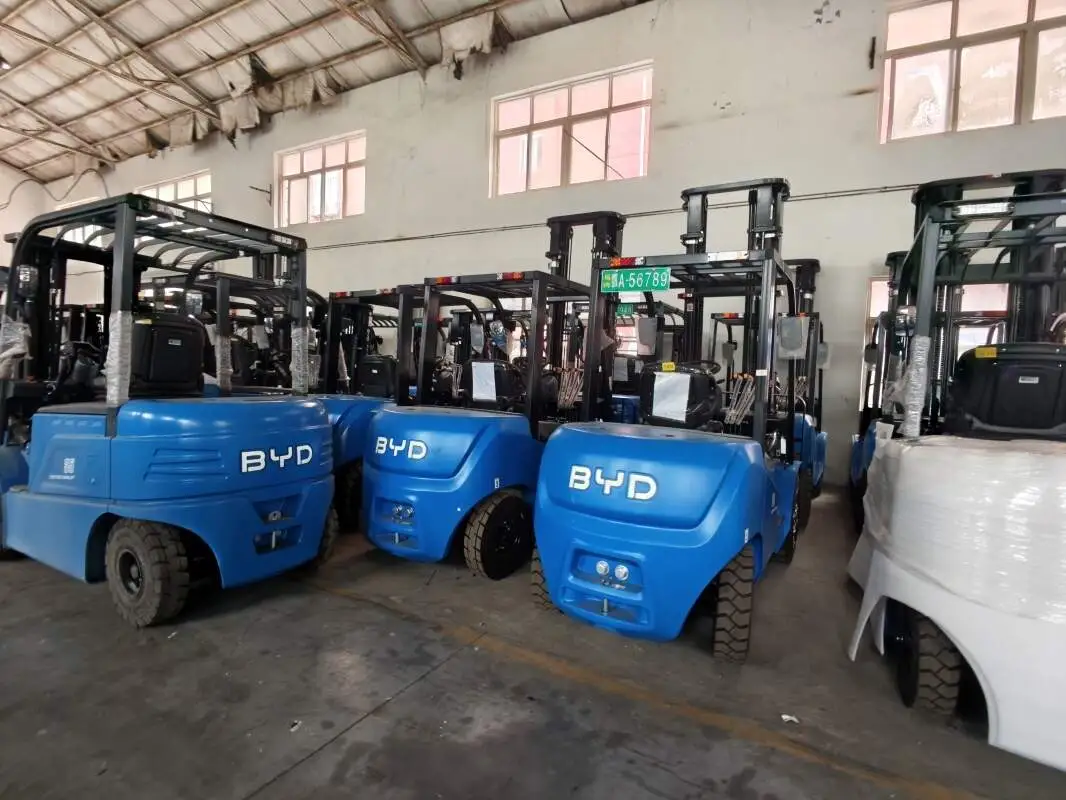
Lock Out Tag Out (LOTO) is a critical safety protocol designed to prevent accidental startup or energy release during electric forklift maintenance, protecting workers from injury and preventing equipment damage. electric forklifts rely on multiple energy sources—including batteries, hydraulic systems, and electrical circuits—that can hold residual power even when the vehicle is turned off, making strict adherence to LOTO standards essential.
1. Pre-Maintenance Preparation
Before initiating any maintenance tasks, technicians must first conduct a thorough assessment of the forklift’s energy sources. This includes identifying battery terminals, hydraulic pressure valves, and electrical circuit breakers that could supply power to the vehicle. Next, gather all necessary LOTO devices: durable locks unique to each authorized worker, clearly labeled tags with warnings such as “Do Not Operate—Maintenance in Progress,” and hasps for locking multiple energy points. Notify all relevant personnel in the work area that the forklift will be out of service for maintenance, ensuring no one attempts to use the equipment during the process.
2. LOTO Execution Steps
Once preparation is complete, follow these steps to secure the forklift:
- Shut down the vehicle properly: Turn off the forklift’s ignition, engage the parking brake, and lower the forks to the ground.
- Isolate all energy sources: Disconnect the battery’s main power switch, relieve hydraulic pressure by cycling controls several times, and flip electrical circuit breakers to the “off” position.
- Apply locks and tags: Attach a lock to each energy isolation point, ensuring only the technician performing maintenance has the key. Affix a LOTO tag to each lock, detailing the maintenance task, worker name, and expected completion time. For multiple workers, use a hasp to allow each to apply their own lock.
- Verify energy isolation: Attempt to start the forklift and activate hydraulic controls to confirm no power is flowing. This step ensures that all energy sources are fully isolated before maintenance begins.
3. During Maintenance Guidelines
Throughout the maintenance process, keep all LOTO devices intact and accessible. Never remove or tamper with locks or tags that belong to another worker, and do not bypass LOTO protocols to speed up tasks. If additional personnel join the maintenance effort, ensure they add their own lock to the hasp before starting work. Regularly inspect locks and tags to confirm they are not damaged or removed, and communicate any changes to the maintenance plan with the entire team to avoid confusion.
4. Post-Maintenance LOTO Removal
When maintenance is complete, follow these steps to safely restore the forklift to service:
- Inspect the equipment: Remove all tools, debris, and temporary modifications from the forklift, ensuring all components are properly reassembled.
- Confirm worker safety: Check that all personnel are clear of the forklift and its surrounding area.
- Remove LOTO devices: Only the worker who applied the locks or an authorized supervisor should remove them. Remove tags first, then unlock each energy isolation point.
- Test functionality: Start the forklift and test all controls—including lifting, steering, and braking—in a controlled, empty area to ensure the vehicle operates safely before returning it to regular use.
Adhering to these LOTO standard operating procedures is not only a regulatory requirement but also a fundamental part of protecting workers and preserving equipment integrity. Regular training and consistent enforcement of LOTO protocols help create a safe work environment and reduce the risk of preventable accidents during electric forklift maintenance.