


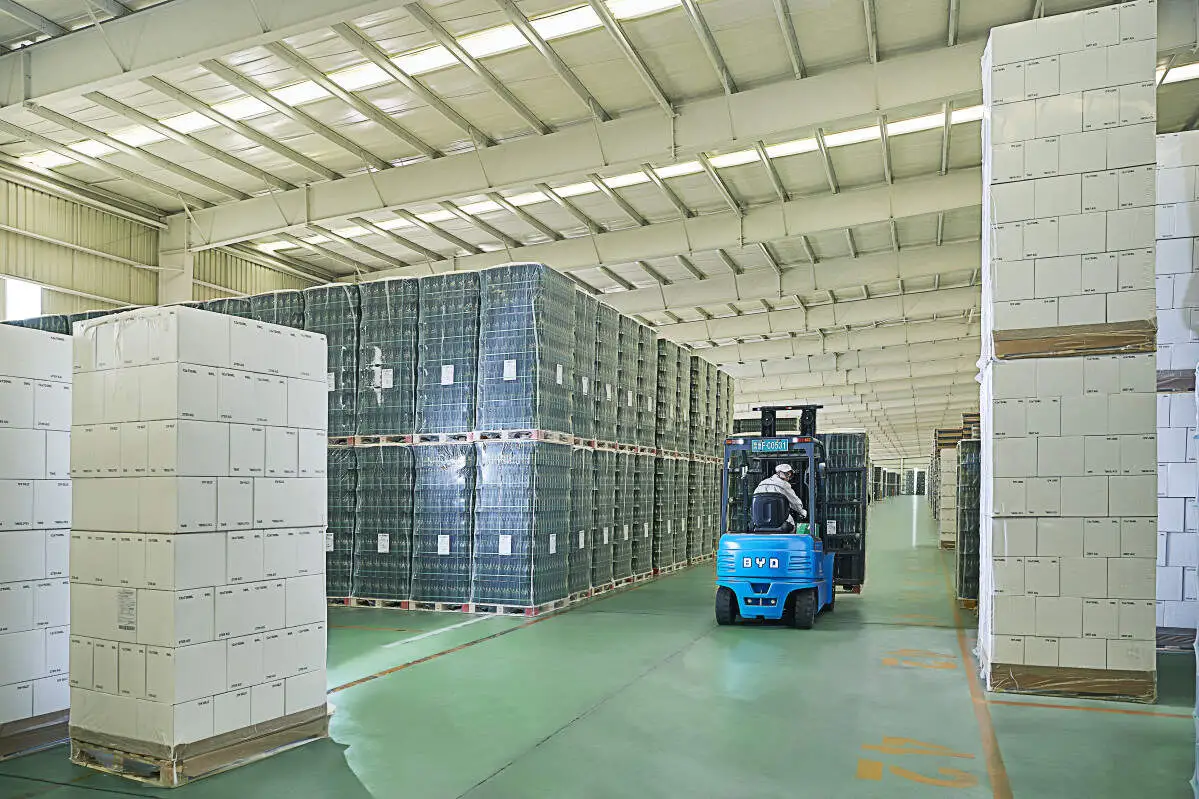
The hydraulic system of an electric forklift is the core component to ensure smooth lifting, loading and unloading operations. Daily maintenance is directly related to the operating efficiency and service life of the equipment. Regular inspection and replacement of cylinders, pumps, oil seals and filter elements is a key part of hydraulic system maintenance. The following is a detailed analysis of the replacement operation guide for each component.
Cylinder oil seal replacement is an important operation to prevent hydraulic oil leakage and ensure the normal expansion and contraction of the cylinder. First, park the electric forklift on a flat and stable site, turn off the power supply and pull up the handbrake to ensure that the equipment is in a safe state. Then empty the hydraulic oil in the cylinder, use special tools to remove the cylinder end cover, and take out the old oil seal to avoid scratching the cylinder wall. Check the inner wall of the cylinder for wear or rust. If there are slight scratches, it can be polished. If it is seriously worn, the cylinder needs to be replaced. When installing a new oil seal, apply an appropriate amount of hydraulic oil to the surface of the oil seal to ensure that the installation direction is correct and avoid distortion and deformation. Then install the end cover back in turn and tighten the bolts. Finally, fill the hydraulic oil that meets the specifications and carry out a trial run to check whether there is oil leakage.
As the power source of the hydraulic system, the damage of the oil seal of the oil pump will lead to the leakage of hydraulic oil, which will affect the pressure stability of the system. Before replacing the oil seal of the oil pump, it is also necessary to cut off the power and stop the machine to release the residual pressure in the system. Before removing the oil pump, mark the connection positions of each pipeline to avoid wrong connection during reinstallation. After removing the oil pump, remove the end cover of the oil pump, carefully remove the old oil seal, and check whether the oil pump shaft has wear marks. If there is a groove on the shaft surface, repair or replace the oil pump. When installing a new oil seal, pay attention to the sealing surface of the oil seal facing the hydraulic oil side, and press it evenly with a pressure tool to ensure that it is installed in place. When reinstalling the oil pump, connect the pipeline according to the marks, and start the equipment after filling the hydraulic oil to check the operation of the oil pump and whether there is any leakage
The function of the hydraulic filter element is to filter impurities in the hydraulic oil and prevent impurities from entering the cylinder, oil pump and other precision components to cause wear and tear. It is recommended to replace the filter element according to the cycle specified in the equipment instruction manual, or replace it in advance when the hydraulic oil is seriously polluted. When replacing, first find the installation location of the filter element, usually located next to the hydraulic oil tank or in the relevant pipeline. After turning off the power supply, loosen the filter element shell, remove the old filter element, and at the same time clean up the residual impurities in the filter element seat. When installing the new filter element, apply a small amount of hydraulic oil to the filter element sealing ring to ensure a good seal, and tighten the shell with moderate force to avoid damage to the shell caused by excessive tightness. After the replacement is completed, start the equipment, check whether the pressure of the hydraulic system
When performing hydraulic system maintenance and component replacement, it is necessary to pay attention to the use of qualified accessories that meet the specifications to avoid malfunctions due to mismatch of accessories. During operation, it is necessary to keep the environment clean to prevent impurities from entering the hydraulic system. When replacing hydraulic oil, it is necessary to choose a model that meets the requirements of the equipment to avoid mixing different grades of hydraulic oil. Regularly conduct pressure tests on the hydraulic system to detect potential problems in time to ensure that the hydraulic system of the electric forklift is always in good working condition.

