Operating an electric forklift in the UK is a regulated activity that requires a valid licence, obtained through structured training and formal assessment. For operators and businesses, understanding the full spectrum of associated costs is essential for budgeting and ensuring compliance with health and safety regulations. This guide outlines the typical expenses related to obtaining and maintaining an electric forklift licence in the UK, along with key factors that can influence pricing.
The primary cost component is the training course, which varies based on the operator’s experience level and the scope of instruction. For novice operators with no prior forklift experience, basic training courses typically range from £300 to £600. These courses combine theoretical learning—covering UK health and safety laws, load handling principles, electric forklift maintenance basics, and risk assessment—and practical hands-on training in operating the equipment. For operators seeking advanced training, such as handling heavy loads, operating in narrow warehouse spaces, or managing specialised electric forklift models, costs can rise to £700 to £1,000, as these programmes involve more tailored instruction and extended practical sessions.
Following training, operators must complete a formal assessment to earn their licence. In most cases, the assessment fee is included in the overall training course cost, but some providers may charge it separately, ranging from £100 to £200. The assessment includes both a theoretical exam and a practical skills test, evaluating the operator’s ability to operate the electric forklift safely and efficiently. Upon passing both tests, a licence certificate is issued, with a validity period of 3 years. The certificate issuance fee is usually minimal, around £20 to £50, though some training providers waive this charge for participants who complete their full training package.
Several factors can impact the total cost of an electric forklift licence. Geographical location plays a role: training providers in major urban areas like London often charge higher fees due to higher operational costs, while providers in rural regions may offer more competitive pricing. The delivery format of training also matters—on-site training at a business premises may incur additional travel charges for the trainer, whereas off-site training at a dedicated facility can be more cost-effective for small groups. Additionally, group discounts are commonly available for businesses training multiple operators at once, reducing the per-person cost significantly.
When the 3-year licence expires, operators must complete a refresher course to renew their certification. Refresher training costs are generally lower than initial training, ranging from £200 to £400. This course focuses on updating operators’ knowledge of any revised safety regulations and reinforcing practical skills to ensure continued competence. The renewal assessment and certificate fee are similar to the initial issuance, typically £20 to £50.
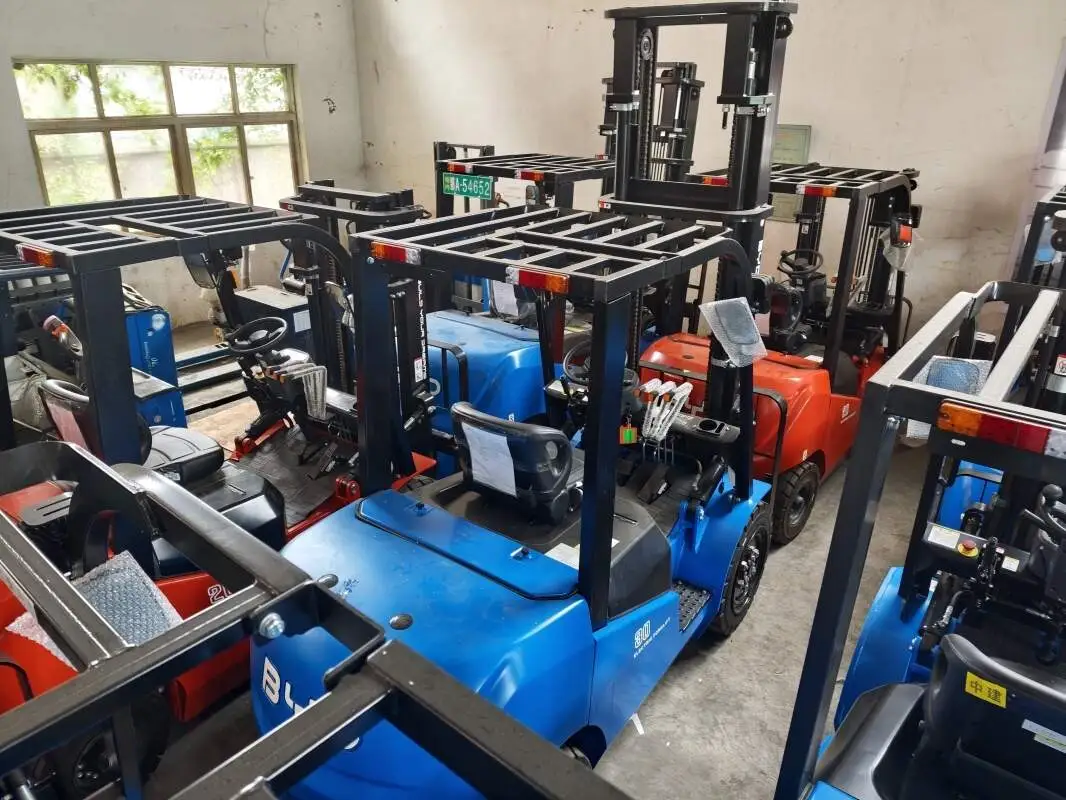
Beyond licensing costs, investing in reliable electric forklifts is key to smooth operations. Jianshu New Energy specialises in BYD electric forklifts, offering a range of models suitable for various industrial applications, from small warehouses to large distribution centres. For more information about our electric forklift products or guidance on finding reputable training resources, you can contact us at 17399989919@163.com. Ensuring proper licensing and using high-quality equipment not only keeps your operations compliant but also enhances workplace safety and efficiency.