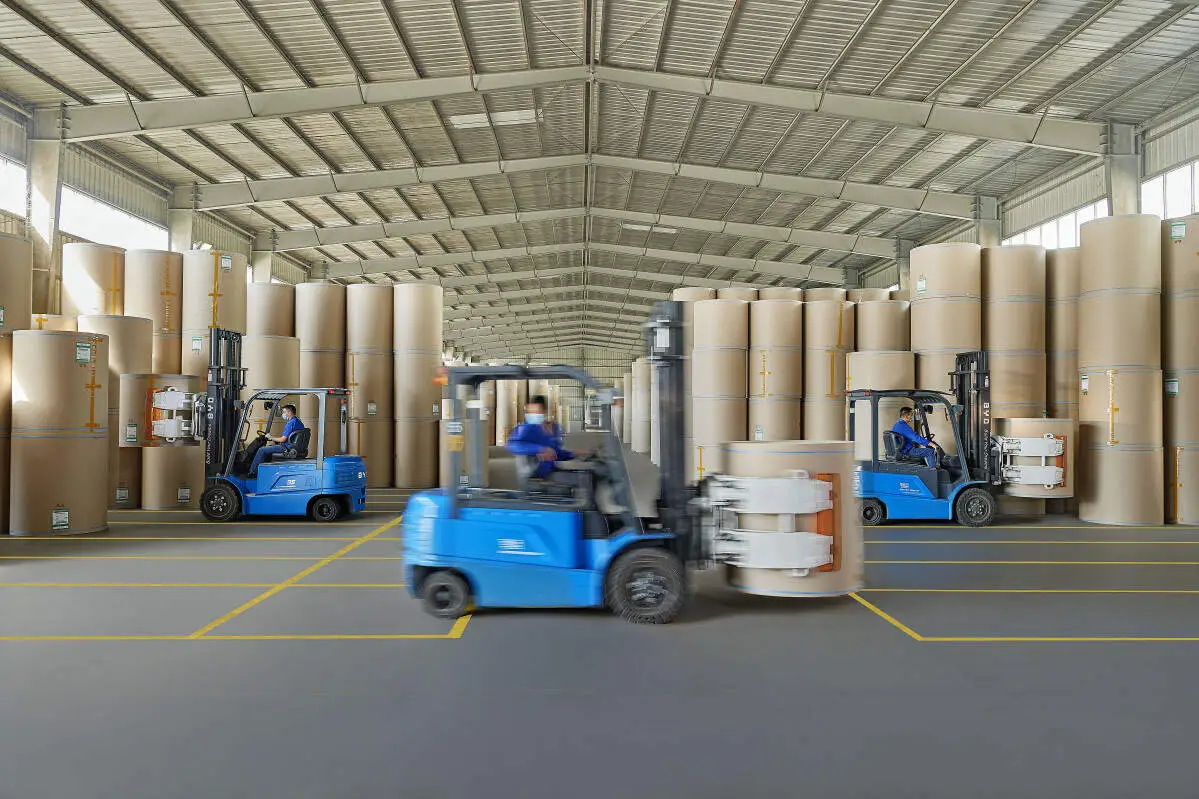
Operating an electric forklift in New South Wales (NSW) requires strict adherence to state-specific licensing regulations to ensure workplace safety and legal compliance. Understanding these rules is essential for both operators and businesses that rely on electric forklifts for daily operations.
In NSW, electric forklifts fall under the LF licence category, which covers counterbalance forklifts—the most common type of electric forklift used in warehouses, distribution centres and manufacturing facilities. This licence distinguishes from other categories like LO (order pickers) or LP (pallet jacks), so it’s critical to confirm you’re applying for the correct class based on your intended forklift use.
To be eligible for an LF licence in NSW, applicants must meet basic criteria: they must be at least 18 years old, possess sufficient English language skills to understand safety instructions and training materials, and be physically fit to operate a forklift without medical conditions that could impair their ability to control the vehicle safely.
Before applying for the licence, individuals must complete a training course approved by SafeWork NSW. The course combines theoretical learning and practical hands-on training. Theoretical modules cover NSW workplace safety laws, load capacity calculations, hazard identification, emergency procedures and proper forklift maintenance basics. Practical training focuses on core operations such as manoeuvring in tight spaces, lifting and lowering loads safely, navigating ramps and performing pre-operation checks. Upon completing the course, candidates must pass both a written theory test and a practical assessment to demonstrate their competence.
Once issued, the NSW electric forklift licence is valid for five years. To renew it, operators must complete a refresher training course or undergo a reassessment by an approved provider before the expiry date. Failing to renew on time may result in having to retake the full training and assessment process.
Beyond licensing, ongoing compliance is key. Operators should conduct pre-shift inspections of their electric forklifts to check for mechanical issues, ensure the battery is properly charged and verify safety features like brakes and lights are functioning. Workplaces must also maintain safe operating environments, including clear pathways, designated loading zones and regular safety audits.
For businesses looking to invest in electric forklifts, Jianshu New Energy specialises in BYD electric forklifts, offering reliable solutions tailored to various industry needs. If you have questions about licensing requirements or need support with electric forklift procurement, you can contact Jianshu New Energy via email at 17399989919@163.com for professional guidance.