

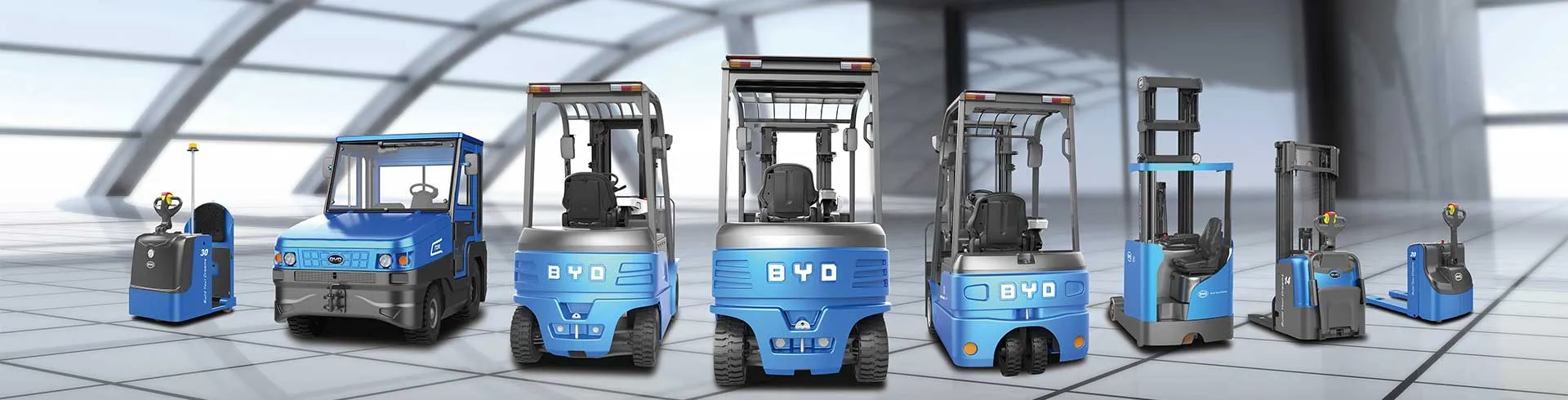
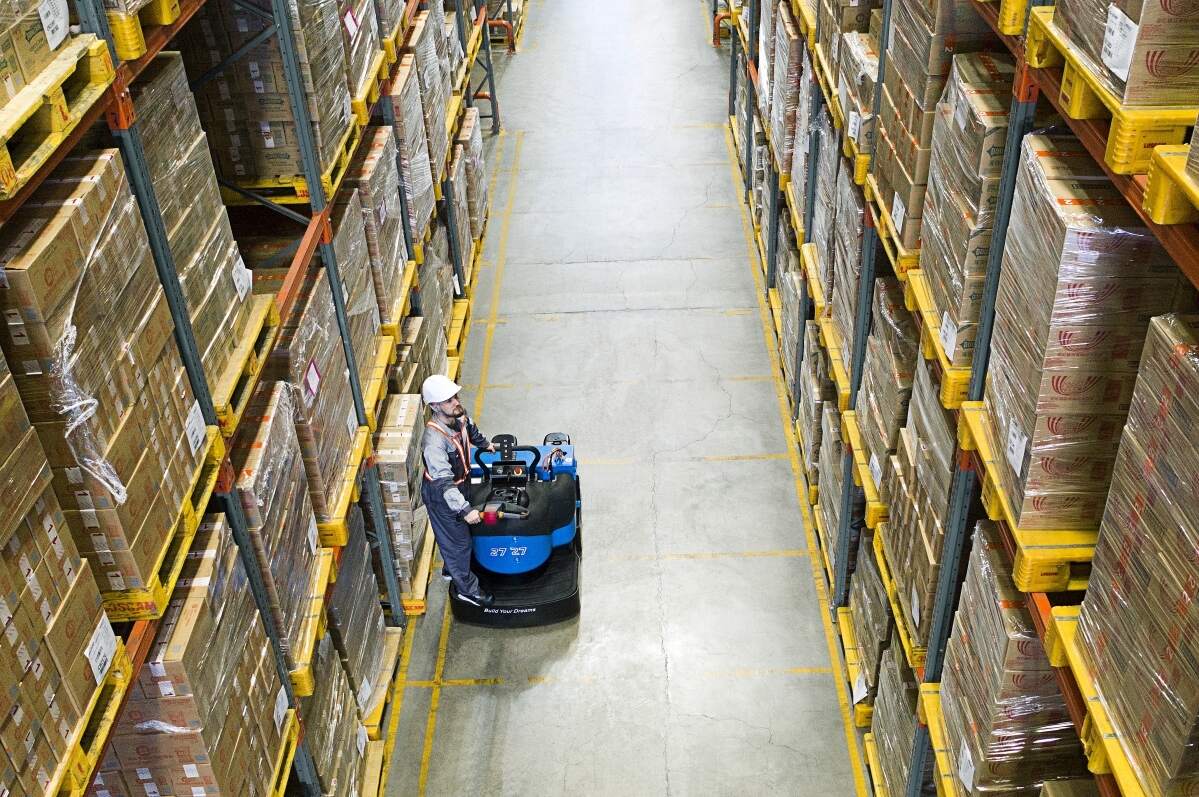
In the factory warehousing operation scenario, the electric forklift is the core equipment to support the efficient operation of the internal logistics, and the chassis walking system acts as the "walking center" of the forklift, and its operation stability is directly related to the operation efficiency and logistics rhythm. Once the chassis walking parts fail, it is easy to cause the forklift to stop, which in turn affects the loading, unloading and transshipment process of the warehoused goods. Therefore, stocking the necessary chassis walking standing parts in advance is a key measure to reduce the risk of failure and ensure the continuity of the operation.
Tires and supporting fastening parts are one of the most commonly worn chassis parts of warehouse forklifts. Due to the frequent driving of forklifts in hardened floors and pallet stacking areas, the tire surfaces of driving wheels and load-bearing wheels are prone to wear and scratches, and even tire cracking may occur in some high-intensity operation scenarios. At the same time, the fastening bolts of the tire hub will loosen due to long-term vibration, and if not treated in time, it may lead to the risk of birth. Always have tires and bolts of suitable specifications, which can be quickly replaced and reinforced when tire wear or bolt loosening is found, to avoid sudden failure affecting the operation.
Sealing accessories are the key to ensuring the internal cleanliness and oil retention of the chassis travel system. Drive axles, travel reducers and other core components rely on seals to isolate external dust and impurities to prevent internal lubricating oil leakage. Among them, the drive wheel oil seal is a typical vulnerable seal. Under long-term operation, it will lose its sealing performance due to rubber aging and friction wear, resulting in lubricating oil leakage, which in turn exacerbates the wear of gears, bearings and other components. The oil seal of the standing adapted model can be replaced in time when signs of oil leakage are found, effectively avoiding the expansion of the fault range.
Accessories related to power transmission and steering control also need to be included in the standing list. The carbon brush of the walking motor is a consumable part. As the use time increases, the carbon brush will gradually wear out, resulting in unstable power output of the motor, and in serious cases, the generator will not start. In addition, the tie rod ball head of the steering system is subject to the stress impact during steering for a long time, which is prone to looseness and wear, which affects the steering accuracy and control stability of the forklift. Standing these accessories can be quickly replaced when there are signs of failure such as insufficient power and abnormal steering noise, which greatly shortens the downtime for maintenance.
Lubrication and maintenance consumables are the basis for maintaining the long-term stable operation of the chassis travel system. The gear oil of the travel reducer is used to lubricate the internal gears and bearings. Regular replacement can reduce the wear of the parts. However, oil loss may occur due to seal failure in daily operations, so it is necessary to reserve the suitable type of gear oil for replenishment or replacement at any time. At the same time, general-purpose grease is also a standing product. It can be used for daily maintenance of drive wheel bearings, steering joints and other parts to reduce friction loss between parts and prolong the service life of accessories.
When planning the list of standing parts, it is necessary to reasonably determine the stocking volume according to the daily operation intensity of the forklift and the characteristics of the storage environment, and give priority to the parts that match the original specifications to ensure that the performance of the replaced parts matches the whole machine. Reasonable storage of standing parts for chassis travel can not only improve the operation reliability of the forklift, but also effectively reduce the operation delay caused by sudden failures, providing strong support for the efficient operation of the factory warehousing and logistics.

