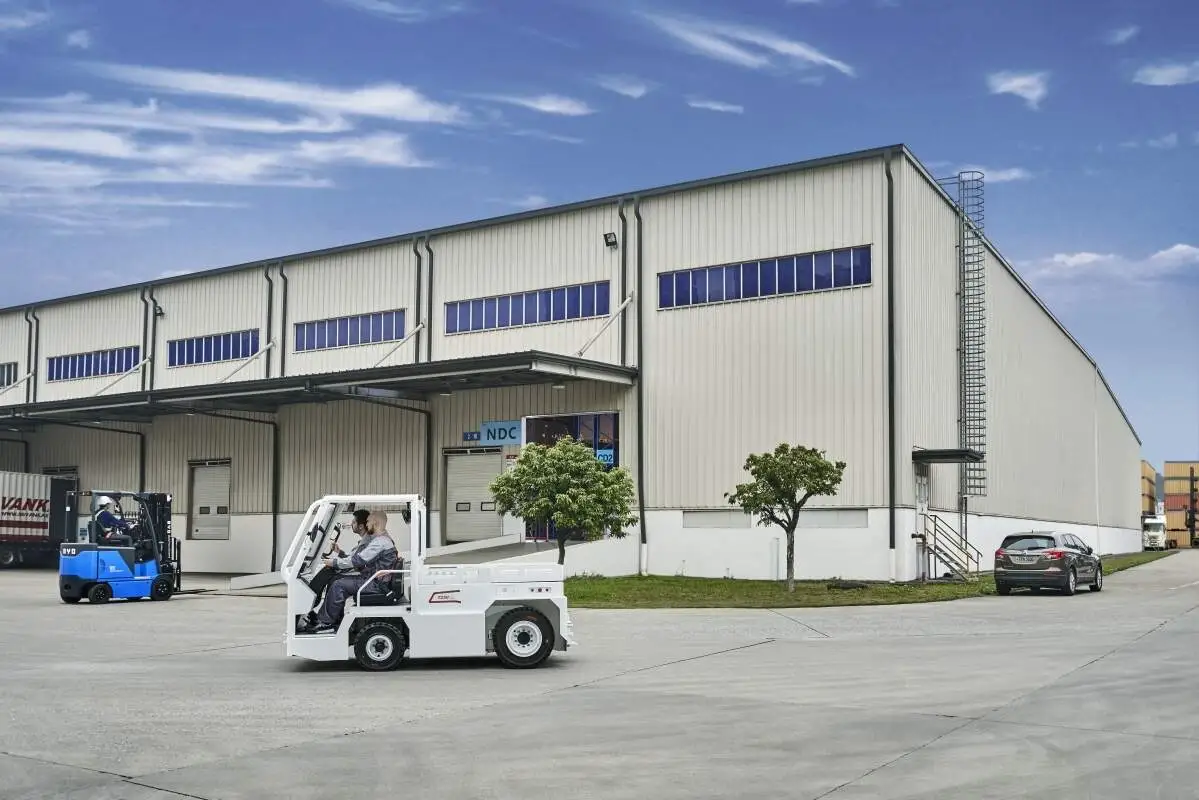
Propane-powered forklifts are a staple in warehouses, distribution centers, and industrial facilities due to their reliable performance and cost-efficiency. However, the propane tank’s O-ring—a small but critical component—plays a vital role in creating a tight seal between the tank and the forklift’s fuel system. A worn, cracked, or improperly installed O-ring can lead to propane gas leaks, which pose severe risks including fire, explosion, and adverse health effects from prolonged exposure to toxic fumes. To mitigate these hazards, following a structured approach to O-ring replacement is essential.
Prioritize Pre-Replacement Safety Measures
Before beginning any work, ensure you’re in a well-ventilated outdoor or open-air area to avoid accumulating propane fumes. Turn off the forklift’s engine and close the main propane supply valve on the tank to stop fuel flow. Wear personal protective equipment, including chemical-resistant gloves and safety goggles, to protect your hands and eyes from propane exposure and debris. Keep all ignition sources—such as cigarettes, power tools, or open flames—at least 50 feet away from the work area, as propane is highly flammable. Gather necessary tools: a new O-ring designed for propane compatibility, a clean lint-free cloth, a plastic pry tool, propane-safe lubricant, and a spray bottle of soapy water.
Disconnect the Propane Tank Safely
Start by verifying the main propane valve is fully closed. Locate the tank’s mounting bracket on the forklift and loosen the securing bolts or straps carefully. Once the tank is loose, slowly twist the connection coupling between the tank and the forklift’s fuel line to release any residual pressure in the system—you may hear a faint hissing sound, which is normal. Avoid rushing this step to prevent sudden pressure releases. Once the pressure is dissipated, fully disconnect the coupling and lift the propane tank off the forklift, placing it on a flat, stable surface away from the work area.
Inspect and Remove the Old O-Ring
Locate the O-ring groove on the tank’s connection port or the forklift’s fuel line coupling. Inspect the old O-ring for signs of wear, such as cracks, brittleness, stretching, or debris buildup. These issues can compromise the seal and lead to leaks. Use a plastic pry tool to gently lift the old O-ring out of the groove; avoid using metal tools, as they can scratch or damage the groove’s smooth surface, which is essential for a proper seal. Once the old O-ring is removed, use a clean lint-free cloth to wipe the groove and connection surface thoroughly, removing any dirt, oil, or residual propane residue. Ensure the area is completely clean before proceeding to installation.
Install the New O-Ring Correctly
Select a replacement O-ring that matches the exact size and material specifications recommended for your forklift’s propane tank—most propane-compatible O-rings are made of nitrile or fluorocarbon rubber, which resist degradation from propane fuel. Apply a thin layer of propane-safe lubricant to the new O-ring to help it slide into the groove easily without twisting. Carefully place the O-ring into the groove, ensuring it sits evenly and fully without any gaps or misalignment. Run your finger around the O-ring to confirm it’s properly seated and not twisted, as a twisted O-ring will fail to create a tight seal.
Reattach and Test for Leaks
Carefully lift the propane tank back onto the forklift’s mounting bracket and secure it with the bolts or straps, tightening them to the manufacturer’s recommended torque (avoid over-tightening, which can damage the tank or coupling). Reconnect the fuel line coupling to the tank’s port, twisting it until it’s snug. Slowly open the main propane valve to restore fuel flow. To check for leaks, spray a mixture of soapy water onto the connection area. If bubbles form, this indicates a leak—immediately close the propane valve, disconnect the coupling, and recheck the O-ring’s placement. Repeat the process until no bubbles appear when the valve is open.
Complete Post-Replacement Checks
After confirming no leaks are present, start the forklift’s engine and let it run for 5 to 10 minutes. During this time, monitor the connection area for any signs of leaks or unusual smells. Once you’ve verified the system is sealed properly, turn off the engine and clean up the work area. Record the date of the O-ring replacement in your forklift’s maintenance log, and schedule a follow-up inspection in 30 to 60 days to check the O-ring’s condition. Regular inspections every few months can help catch early signs of wear and prevent potential leaks before they become hazardous.
By following these step-by-step instructions, you can effectively replace your forklift’s propane tank O-ring and reduce the risk of dangerous gas leaks. Remember that proactive maintenance is key to keeping your equipment safe and operational—never ignore signs of O-ring wear or potential leaks, as even small propane escapes can lead to serious safety incidents.