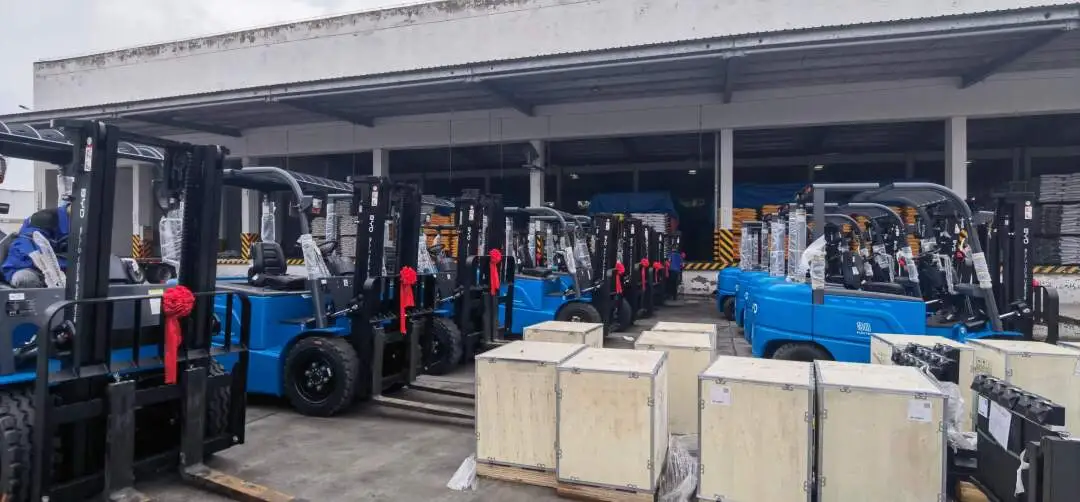
When operating an electric forklift, encountering issues where the forks fail to lower smoothly can disrupt workflow, reduce productivity, and pose potential safety risks. This common problem often stems from underlying mechanical or hydraulic system issues, and understanding how to troubleshoot it effectively is essential for forklift operators and maintenance teams alike. Before diving into specific troubleshooting steps, always prioritize safety: ensure the forklift is parked on a flat, stable surface, engage the parking brake, turn off the power, and use appropriate safety supports to prevent accidental movement of the forks during inspection.
One of the most frequent causes of uneven fork lowering is related to the hydraulic system’s fluid. Low hydraulic fluid levels can prevent the system from generating enough pressure to lower the forks smoothly, while contaminated or degraded fluid can cause blockages and reduced efficiency. To check the fluid level, locate the hydraulic reservoir (typically marked with a fill line) when the forks are fully lowered to get an accurate reading. If the level is below the recommended mark, add the appropriate hydraulic fluid specified for the forklift, taking care not to overfill as this can lead to leaks or system damage. Contaminated fluid, often indicated by a dark, cloudy appearance or the presence of debris, requires immediate replacement. Start by draining the old fluid from the reservoir, then flush the system with clean fluid to remove any remaining contaminants. Refill with fresh, high-quality hydraulic fluid that meets the forklift’s operational specifications. Regularly scheduled fluid checks and changes, as outlined in the maintenance manual, can help prevent these issues from occurring in the first place.
The control valve is responsible for regulating the flow of hydraulic fluid to the lift cylinders, and any malfunction in this component can cause the forks to lower unevenly or jerkily. Over time, dirt, debris, or wear can cause the valve’s spool to become stuck, restricting fluid flow. To inspect the control valve, first disconnect the power source to avoid accidental activation. Remove the valve cover and visually check for signs of dirt buildup or wear on the spool. If debris is present, clean the spool and valve body using a clean, lint-free cloth and a mild, non-corrosive cleaning solution. Avoid using harsh chemicals that could damage the valve’s seals. If the spool shows signs of excessive wear or damage, replacing the control valve may be necessary. After cleaning or replacing the valve, reassemble the components and test the fork lowering function to ensure smooth operation.
Lift chains and fork guides play a critical role in ensuring the forks move up and down smoothly. Debris, dirt, or small objects can become trapped in the chain links or guide rails, causing friction and uneven movement. Begin by inspecting the lift chains for any signs of dirt, rust, or damage. Use a stiff brush to remove surface debris, then apply a recommended lubricant to the chains to reduce friction. Ensure the chains are properly tensioned, as loose chains can also cause the forks to lower unevenly. Next, check the fork guides for any obstructions. Wipe down the guide rails with a clean cloth to remove dirt or grease buildup. If there are any bent or damaged sections in the guides, they may need to be straightened or replaced to restore smooth movement. Regular cleaning and lubrication of the lift chains and guides can prevent these obstructions from accumulating and affecting fork operation.
Operating the forklift beyond its rated load capacity can put excessive strain on the hydraulic system and lift components, leading to slow or uneven fork lowering. Always verify the forklift’s load capacity and ensure the load is evenly distributed on the forks. An uneven load can cause the forks to tilt, leading to uneven lowering and potential instability. If you suspect overloading is the issue, reduce the load to the recommended capacity and recheck the fork lowering function. Additionally, ensure the load is centered on the forks and securely positioned to prevent shifting during operation. Training operators to properly calculate load weights and distribute loads evenly is key to preventing this type of issue.
If the above steps do not resolve the issue, there may be more complex problems, such as worn lift cylinders or damaged seals. Inspect the lift cylinders for signs of leaks, which can indicate worn seals. Leaking hydraulic fluid around the cylinder is a clear sign that the seals need to be replaced. In such cases, it is recommended to consult a qualified maintenance technician to perform the repair, as working with hydraulic cylinders requires specialized knowledge and tools.
Throughout the troubleshooting process, always adhere to safety protocols. Never attempt to inspect or repair the forklift while it is carrying a load, and always use lockout-tagout procedures to prevent accidental activation of the hydraulic system. Regular preventive maintenance, including scheduled inspections of hydraulic components, lift chains, and control valves, can help identify potential issues before they lead to operational problems. By following these troubleshooting tips, you can effectively diagnose and resolve issues with electric forklift forks failing to lower smoothly, ensuring efficient operation and a safe working environment for all personnel.