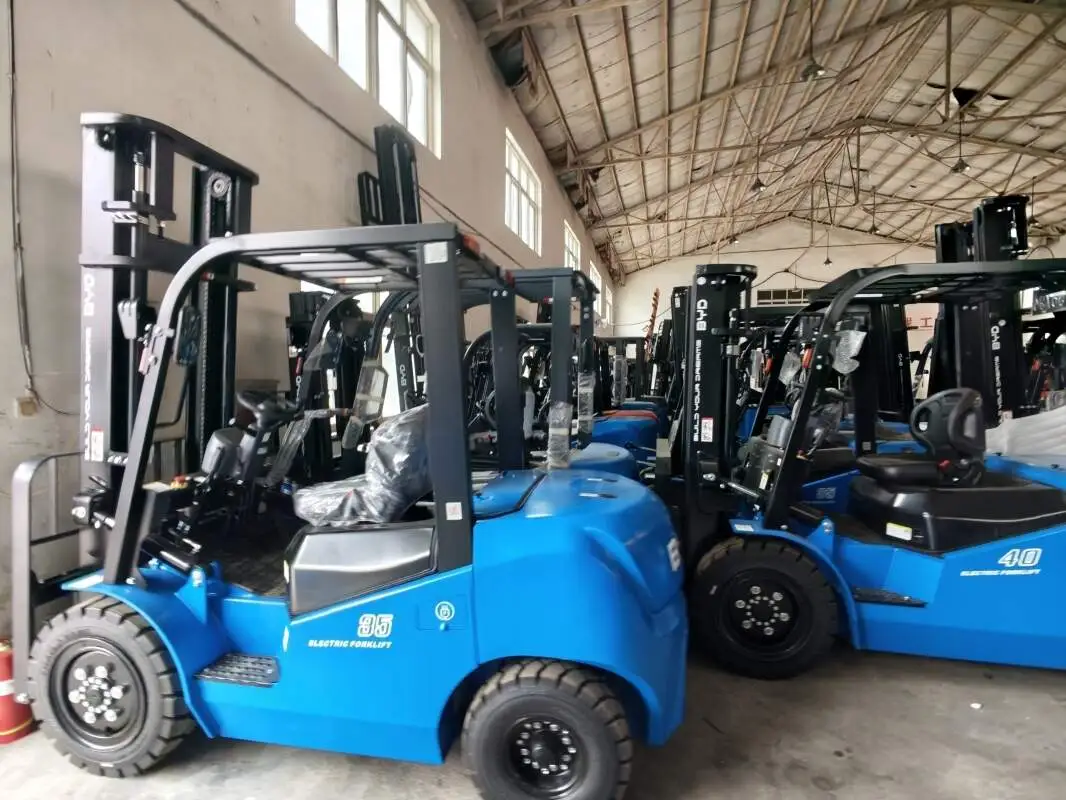
Industrial forklifts are workhorses in warehouses, distribution centers, and manufacturing facilities, playing a critical role in streamlining material handling operations. Over time, wear and tear on components like forks, hydraulic systems, and brake parts is inevitable, making the selection of high-quality spare parts a fundamental aspect of maintaining forklift performance, safety, and longevity. Choosing substandard parts can lead to unexpected breakdowns, increased downtime, and even safety hazards, so it’s essential to approach spare part selection with a strategic, informed mindset.
First and foremost, always prioritize compatibility with your specific forklift model and specifications. Every industrial forklift, whether electric, diesel, or LPG-powered, has unique design and engineering requirements. Before purchasing any spare part, refer to your forklift’s official maintenance manual to identify the exact part numbers, dimensions, and performance parameters. Even minor discrepancies in size or fit can cause operational issues—for example, a mismatched hydraulic hose may leak fluid, reducing lifting efficiency and risking equipment damage. If you’re unsure about compatibility, consult with a qualified technician or relevant technical documentation to ensure a perfect match.
Next, evaluate the material quality and manufacturing processes of the spare parts. The durability of forklift components depends heavily on the materials used. For load-bearing parts like forks or mast components, look for high-grade steel that meets industry strength standards, as these parts are subjected to heavy daily loads. Wear-resistant components such as brake pads or tire treads should be made from materials designed to withstand constant friction and impact. Avoid parts made from low-grade or recycled materials that may degrade quickly, as they will require more frequent replacements and increase long-term operational costs. Inspect the finish of the parts too—uniform coatings or treatments can indicate better protection against corrosion, which is crucial for forklifts operating in damp or outdoor environments.
Third, verify that the spare parts meet relevant industry safety and performance standards. Industrial forklifts are subject to strict safety regulations in most regions, and using non-compliant parts can violate these rules and put workers at risk. Look for parts that have been tested and certified to meet established standards, such as those set by international safety organizations. For example, hydraulic components should be designed to handle specified pressure levels without failure, and electrical parts for electric forklifts must meet insulation and voltage requirements. Ask suppliers for documentation of compliance, such as test reports or certification certificates, to ensure the parts you select adhere to these essential standards.
Another key consideration is the reliability of the spare part supplier. A reputable supplier will not only provide high-quality parts but also offer valuable support services. Look for suppliers with a proven track record in the industrial equipment sector, as they are more likely to source parts from trusted manufacturers. Inquire about their inventory availability to ensure you can obtain parts quickly when needed, minimizing downtime. Additionally, check if they offer technical assistance, such as guidance on installation or troubleshooting, which can be invaluable if you encounter issues during replacement. Reading customer reviews or seeking recommendations from other forklift operators can help you identify suppliers with a strong reputation for reliability and customer service.
Finally, balance cost with quality when selecting spare parts. While it may be tempting to opt for the cheapest option upfront, low-cost parts often end up being more expensive in the long run due to frequent replacements and potential damage to other forklift components. Consider the total cost of ownership, including not just the purchase price but also maintenance, repair, and downtime costs. Investing in high-quality parts may require a larger initial expenditure, but it can extend the lifespan of your forklift, reduce the frequency of breakdowns, and improve overall operational efficiency. However, this doesn’t mean you have to overspend—compare prices from multiple reputable suppliers to find the best value without compromising on quality.
In conclusion, selecting high-quality spare parts for industrial forklifts is a critical task that requires careful consideration of compatibility, material quality, compliance, supplier reliability, and cost-effectiveness. By following these tips, you can ensure that your forklifts remain in optimal working condition, minimize downtime, and create a safer work environment for your team. Taking the time to choose the right parts will not only protect your investment in industrial equipment but also contribute to the smooth and efficient operation of your material handling processes.