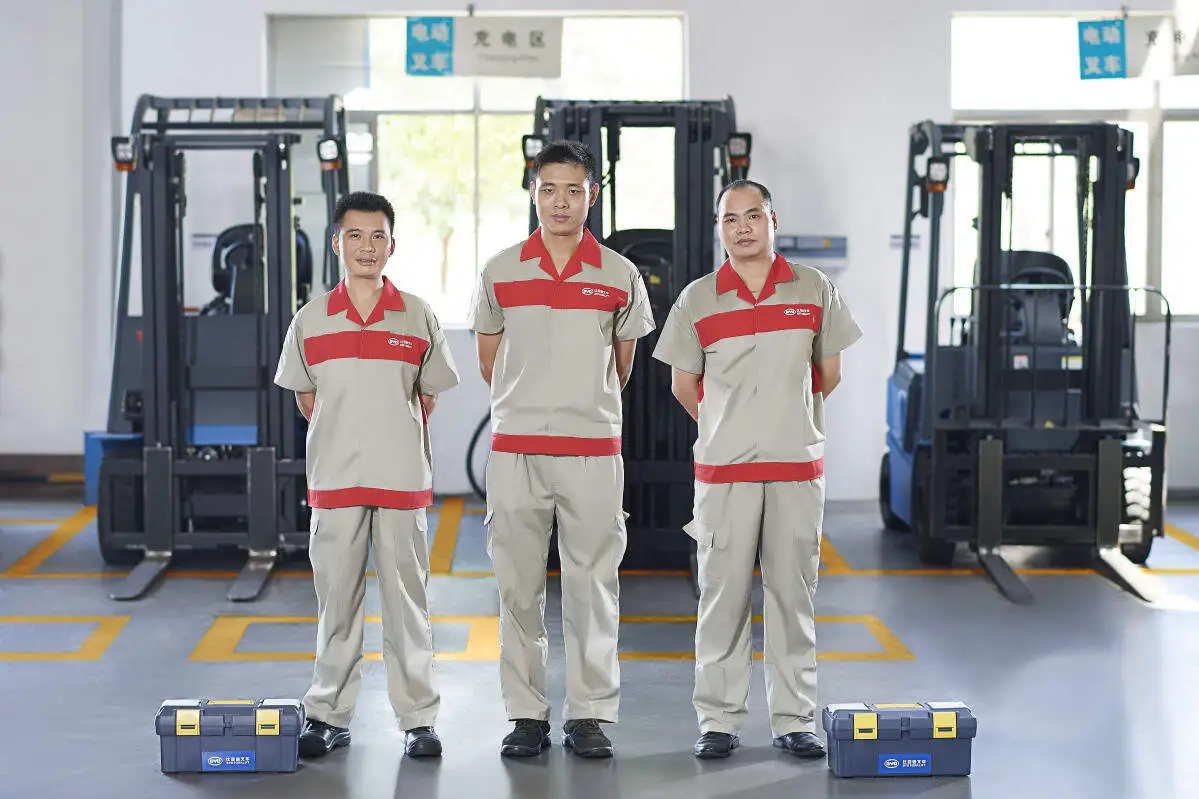
As the industrial sector continues to shift toward sustainable material handling solutions, electric forklifts have emerged as a go-to choice for businesses aiming to reduce carbon footprints and lower long-term operational costs. Among the leading manufacturers in this space, BYD has built a reputation for producing reliable, high-performance electric forklifts, making many businesses wonder: How much does a new BYD electric forklift cost in 2026?
While exact pricing will depend on several variables, understanding the key factors that influence costs can help businesses make informed decisions when planning their material handling investments.
First, the type of BYD electric forklift plays a significant role in determining its price. In 2026, the lineup is expected to include a range of models tailored to different operational needs. For instance, counterbalance electric forklifts, designed for heavy-duty outdoor and indoor tasks, typically carry a higher price tag compared to smaller warehouse forklifts like reach trucks or pallet jacks. Counterbalance models, which can handle loads ranging from 2 to 8 tons, may start at a higher base price due to their robust construction and larger battery systems, while compact pallet jacks, ideal for light-duty material movement in tight spaces, will be on the lower end of the pricing spectrum.
Battery specifications are another critical factor affecting cost. BYD’s electric forklifts are known for their advanced lithium-ion battery technology, and in 2026, options will likely include varying battery capacities and longevity. Forklifts with larger, high-capacity batteries that offer extended run times and faster charging capabilities will cost more upfront. Additionally, batteries with longer warranty periods or enhanced thermal management systems to optimize performance in extreme temperatures will add to the overall price. Businesses should consider their daily operational hours and charging infrastructure when evaluating battery options, as investing in a higher-capacity battery may lead to lower downtime and increased productivity over time.
Optional features and customization can also impact the final cost of a new BYD electric forklift in 2026. Many businesses opt for add-ons that enhance safety, efficiency, and convenience. These may include advanced safety systems like collision avoidance sensors, 360-degree cameras, or automatic braking, as well as smart features such as telematics for fleet management, which allows businesses to monitor forklift performance, track usage, and schedule maintenance. Customizations like specialized attachments for handling unique loads, or modified lift heights for high-rack storage, will also increase the price. While these features add upfront costs, they can improve operational safety and efficiency, providing long-term value for businesses.
Market conditions and regional factors will also influence pricing in 2026. Fluctuations in raw material costs, such as lithium and other components used in battery manufacturing, can impact the base price of electric forklifts. Additionally, regional incentives or tax credits for sustainable equipment may reduce the net cost for businesses in certain areas. These incentives are designed to promote the adoption of electric vehicles, including forklifts, and can vary by country or local government. It’s important for businesses to research available incentives in their region to understand potential cost savings.
Based on these factors, the estimated cost of a new BYD electric forklift in 2026 can vary widely. Compact pallet jacks may start from around $10,000 to $15,000, while mid-sized counterbalance forklifts with standard batteries and basic features could range from $25,000 to $35,000. Heavy-duty counterbalance models with high-capacity batteries and advanced features may cost $40,000 or more. It’s important to note that these are estimates, and final pricing will depend on the specific model, configuration, and regional market conditions.
When considering a new BYD electric forklift investment, businesses should not only focus on upfront costs but also evaluate long-term savings. Electric forklifts have lower operational costs compared to gas or diesel-powered models, as they require less maintenance and have no fuel expenses. Over time, these savings can offset the higher upfront price, making electric forklifts a cost-effective choice for many businesses.
In conclusion, while the exact cost of a new BYD electric forklift in 2026 cannot be confirmed until closer to the year, understanding the key factors that influence pricing can help businesses plan their budgets effectively. By evaluating their operational needs, battery requirements, optional features, and regional incentives, businesses can make informed decisions that align with their sustainability goals and financial objectives. For the most accurate pricing, it’s recommended to contact authorized suppliers closer to 2026 for customized quotes based on specific business requirements.