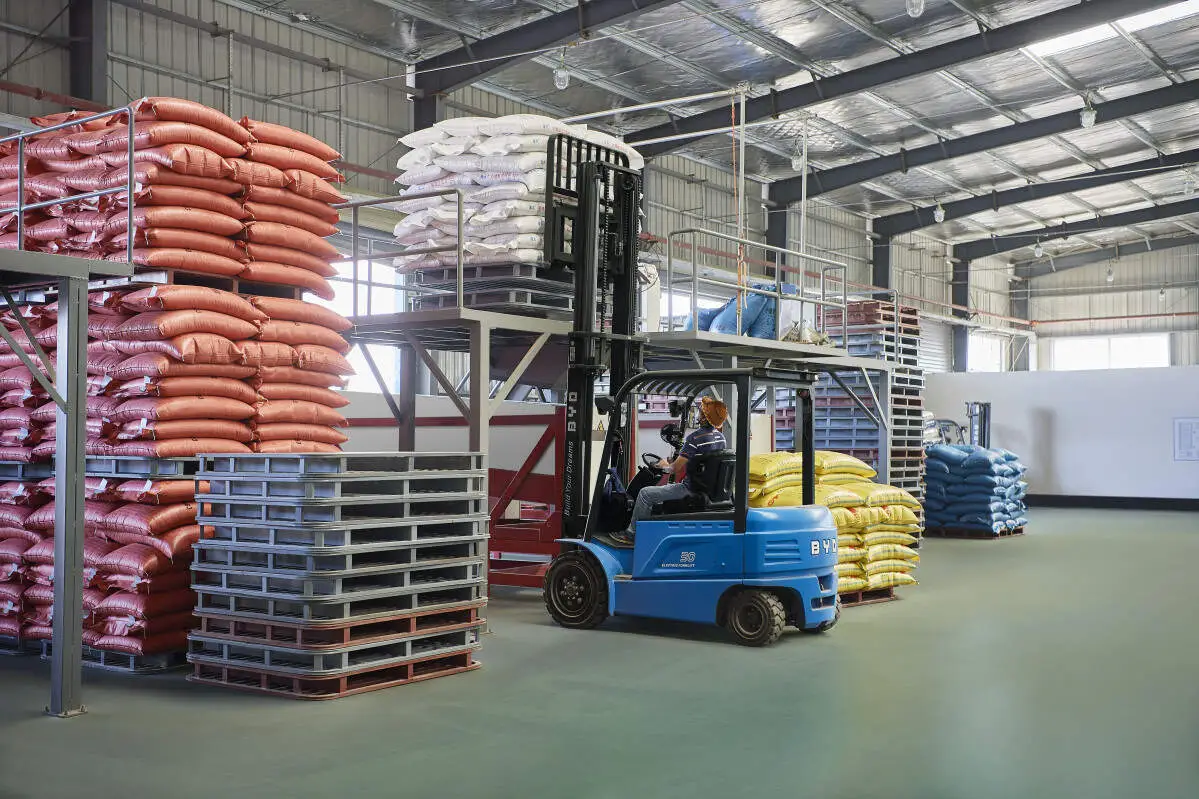
When evaluating material handling equipment, one critical question often arises: how long does a lithium electric forklift battery last? Unlike traditional lead-acid batteries, lithium-ion variants offer distinct advantages in terms of lifespan, but their longevity depends on several key factors.
On average, a well-maintained lithium electric forklift battery can last between 5 to 8 years, based on typical usage patterns in warehouse and distribution settings. This lifespan is measured by the number of charge-discharge cycles, with most lithium batteries supporting 2,000 to 3,000 cycles before their capacity drops to 80% of the original rating. Heavy-duty operations, such as continuous multi-shift use, may slightly reduce this lifespan, while lighter, intermittent usage can extend it beyond the 8-year mark.
Several factors play a role in determining a lithium forklift battery’s lifespan. First, charging practices are crucial. Overcharging or undercharging can accelerate battery degradation, so using a compatible charger with smart charging capabilities helps maintain optimal battery health. Environmental conditions also matter; extreme temperatures, both hot and cold, can impact chemical reactions within the battery, reducing its overall longevity. Operating habits, such as frequent rapid acceleration or heavy load hauling, can put additional strain on the battery, shortening its life. Additionally, proper storage when not in use, such as keeping the battery in a cool, dry area with a partial charge, can prevent unnecessary degradation.
To maximize the lifespan of a lithium electric forklift battery, regular maintenance is essential. This includes routine inspections to check for physical damage or corrosion, ensuring connections are tight and clean. Avoiding deep discharges whenever possible—aiming to recharge when the battery reaches 20-30% capacity—can reduce wear on the cells. It’s also important to follow standardized guidelines for charging cycles and storage, as these are tailored to the specific battery chemistry. Additionally, monitoring battery performance over time, tracking charge-discharge cycles and capacity changes, can help identify potential issues early, allowing for timely adjustments to usage or maintenance practices.
In conclusion, the lifespan of a lithium electric forklift battery varies based on usage, charging practices, environment, and maintenance. By understanding these factors and implementing proper care, businesses can extend the battery’s longevity, reducing replacement costs and ensuring consistent performance in material handling operations. Investing in smart charging solutions and following best practices can help maximize the return on investment in lithium electric forklift batteries.