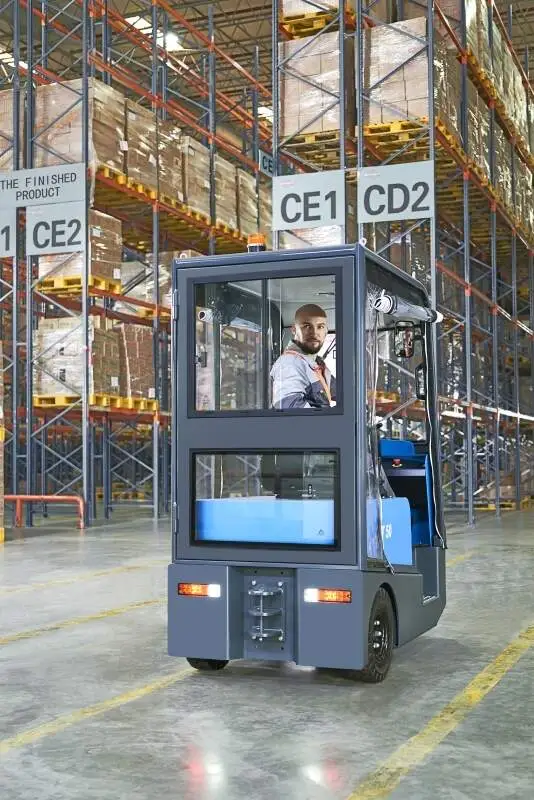
Fault codes on electric warehouse forklifts are critical indicators of underlying mechanical or electrical issues, designed to alert operators to potential problems before they escalate into costly breakdowns. Clearing these codes effectively requires a systematic approach that prioritizes safety, accuracy, and long-term equipment health. Below is a comprehensive guide to help you navigate this process properly.
First, conduct pre-clearance safety checks. Before attempting to clear any fault codes, ensure the forklift is parked on a flat, stable surface away from high-traffic areas in the warehouse. Lower the forks to the ground, engage the parking brake, and turn off the ignition to prevent accidental movement. For some models, you may need to disconnect the main battery power to avoid electrical hazards, but always consult the operator’s manual for specific instructions related to your equipment. Never skip these safety steps, as improper handling can lead to accidents or damage to the forklift’s electrical system.
Second, identify and interpret the fault code. Most electric warehouse forklifts display fault codes on the dashboard or a dedicated diagnostic screen. Take note of the alphanumeric code and refer to the manufacturer’s operator manual or service guide to understand its meaning. Some codes indicate minor issues like low battery voltage or a loose sensor connection, while others may point to more serious problems such as motor malfunctions or hydraulic system failures. It’s essential to address the root cause of the fault before clearing the code; otherwise, the issue is likely to reoccur, potentially causing further damage or safety risks.
Third, use appropriate diagnostic tools (if required). Many modern electric forklifts require a dedicated diagnostic tool to access detailed fault information and clear codes. These tools connect to the forklift’s onboard computer system via a port typically located near the dashboard or under the seat. Once connected, the tool will display the full fault history, including when the code was triggered and additional context about the issue. After confirming the underlying problem has been resolved, follow the tool’s on-screen prompts to clear the code. For older models, some fault codes can be cleared manually by following specific key sequences outlined in the operator’s manual, such as turning the ignition on and off in a timed pattern or pressing combination buttons on the dashboard.
Fourth, execute the code-clearing process carefully. If using a diagnostic tool, ensure you select the correct option to clear active fault codes, avoiding accidental resets of important system settings. For manual clearing, strictly adhere to the manufacturer’s instructions to avoid causing additional electrical issues, such as tripping fuses or disrupting the forklift’s onboard computer. Once the code is cleared, turn the ignition off and wait 30 to 60 seconds before restarting the forklift to allow the system to reset fully.
Fifth, verify the clearance and test performance. After clearing the code, restart the forklift and check the dashboard to ensure the fault code no longer appears. Conduct a brief operational test, including lifting light loads, moving forward and backward, engaging the brakes, and testing the steering, to confirm that the underlying issue has been resolved. If the fault code reappears immediately, it indicates that the root cause was not properly addressed, and further troubleshooting is required. In such cases, consider consulting a certified service technician to diagnose and fix the problem.
Finally, document and conduct preventive maintenance. Keep a record of all fault codes, their meanings, and the actions taken to resolve them. This documentation can help identify recurring issues and inform future maintenance schedules, allowing you to address potential problems proactively. Regular preventive maintenance, such as battery inspections, sensor calibrations, motor checks, and hydraulic system servicing, can reduce the likelihood of fault codes appearing in the first place, ensuring your electric warehouse forklift operates reliably and efficiently for longer periods. By following these steps, you can clear fault codes effectively while maintaining the safety and performance of your equipment.