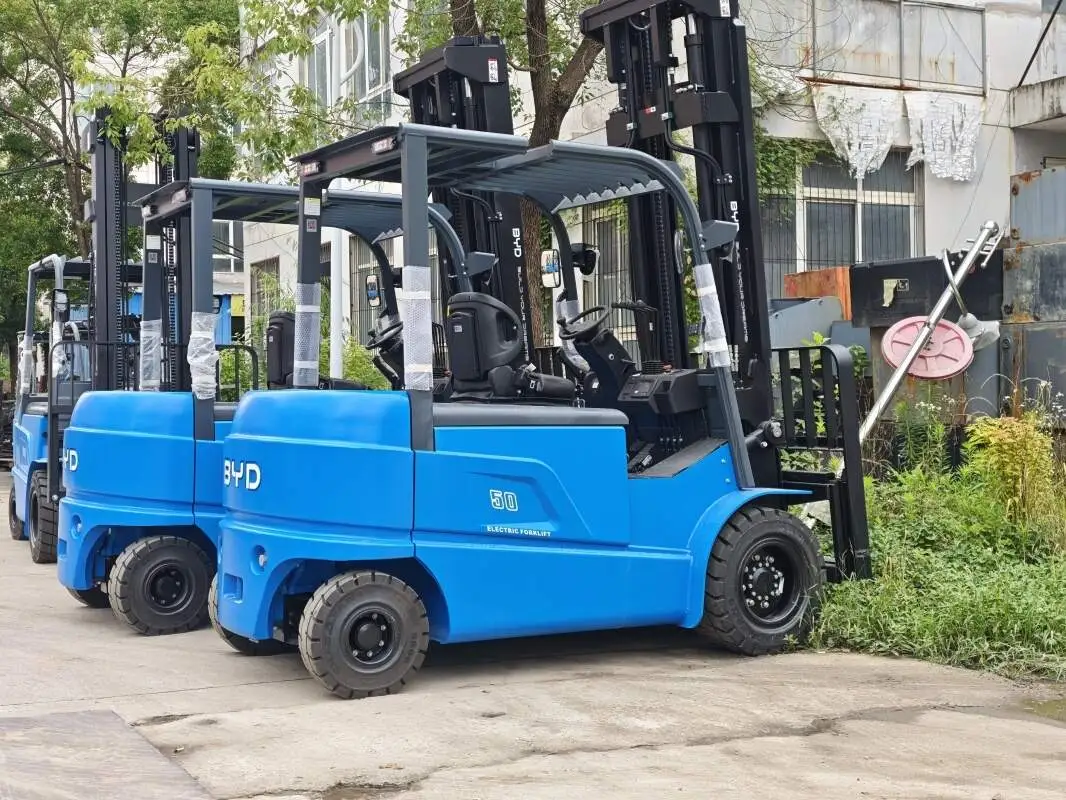
In today’s fast-paced industrial and logistics sectors, efficient material handling is the backbone of smooth operations. As businesses prioritize sustainability and operational efficiency, electric forklifts have emerged as a preferred alternative to traditional fuel-powered models, offering lower emissions, reduced operating costs, and quieter performance. Leading global forklift manufacturers play a pivotal role in meeting the growing demand for reliable electric material handling equipment, combining innovative engineering with rigorous quality standards to deliver solutions that stand up to the demands of diverse work environments.
At the core of these manufacturers’ success lies a commitment to continuous technological innovation. They invest heavily in research and development to enhance battery technology, extending the runtime of electric forklifts and reducing charging times—critical factors for round-the-clock operations. Advanced energy management systems optimize power usage, ensuring that forklifts maintain consistent performance throughout their shift, even under heavy load. Additionally, smart features such as telematics integration allow fleet managers to monitor forklift performance, track maintenance needs, and improve operational efficiency remotely. These technological advancements not only boost productivity but also contribute to a safer working environment, with features like automatic braking systems and ergonomic operator cabins reducing the risk of accidents.
Reliability is non-negotiable when it comes to material handling equipment, as unexpected breakdowns can lead to costly downtime and disrupted workflows. Leading global manufacturers prioritize durability by using high-quality components, from robust steel frames to precision-engineered hydraulic systems. Every forklift undergoes rigorous testing procedures, including stress tests, load capacity evaluations, and environmental simulations, to ensure it can withstand the harsh conditions of industrial settings—whether it’s extreme temperatures, dusty warehouses, or outdoor loading yards. By adhering to strict quality control measures throughout the manufacturing process, these companies ensure that their electric forklifts deliver consistent performance over their lifespan, minimizing the need for frequent repairs and maximizing return on investment for businesses.
Recognizing that different industries have unique material handling needs, leading manufacturers offer a wide range of customizable electric forklift solutions. For narrow-aisle warehouses, compact models with tight turning radii allow operators to navigate confined spaces with ease, maximizing storage utilization. For heavy-duty applications in manufacturing ports, high-capacity electric forklifts can handle loads weighing several tons, ensuring efficient movement of large materials. Manufacturers also provide options for specialized attachments, such as side shifters, fork positioners, and clamps, to adapt forklifts to specific tasks, from handling pallets to transporting irregularly shaped goods. This level of customization ensures that businesses can find a forklift solution tailored to their exact operational requirements.
Beyond delivering high-quality equipment, leading global forklift manufacturers understand the importance of comprehensive post-sales support. They offer proactive maintenance programs, including regular inspections and timely repairs, to keep forklifts in optimal condition. Training services for operators ensure that staff are proficient in using the equipment safely and efficiently, reducing the risk of human error and extending the lifespan of the forklifts. Additionally, many manufacturers provide readily available replacement parts, minimizing downtime in the event of a component failure. This holistic approach to support ensures that businesses can rely on their electric forklifts to keep operations running smoothly, with minimal interruptions.
In an era where environmental responsibility is a top priority for businesses worldwide, leading forklift manufacturers are committed to developing sustainable solutions. Electric forklifts produce zero tailpipe emissions, making them ideal for indoor operations where air quality is a concern, and contributing to a reduction in overall carbon footprints. Manufacturers also focus on sustainable manufacturing practices, using recycled materials in production and optimizing energy usage in their facilities. By combining sustainability with reliability, these companies help businesses meet their environmental goals without compromising on operational efficiency.
As the demand for reliable, sustainable material handling equipment continues to grow, leading global forklift manufacturers remain at the forefront of innovation, delivering solutions that empower businesses to operate more efficiently and sustainably. Their focus on technological advancement, durability, customization, and comprehensive support ensures that electric forklifts are not just tools but valuable assets that drive productivity and success in industrial and logistics operations. Whether for small warehouses or large-scale manufacturing facilities, the equipment from these manufacturers sets a standard for reliability and performance that businesses can trust.