


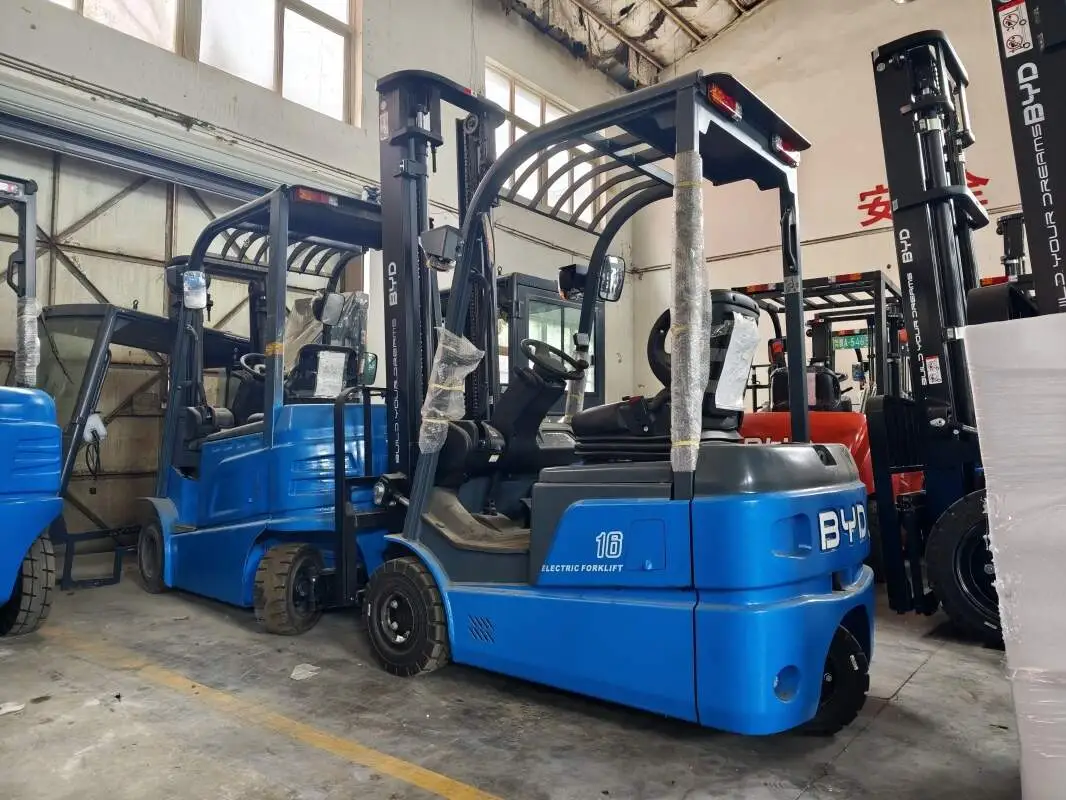
Determining the correct load capacity for your electric forklift is a critical step in ensuring safe, efficient, and compliant material handling operations. Overloading or underestimating load limits can lead to equipment damage, workplace accidents, and increased maintenance costs. By following a structured approach to assess load capacity, you can mitigate these risks and optimize your forklift’s performance.
First, always start with the manufacturer’s official load rating, which is typically displayed on a durable metal plate or sticker affixed to the forklift’s frame or mast. This rating represents the maximum weight the forklift can safely lift under standard operating conditions—usually on a flat, dry surface, with no attachments, and the load centered at the specified load distance (often 24 inches from the face of the forks). It’s important to note that this rating is not a suggestion; exceeding it can compromise the forklift’s stability, leading to tip-overs or structural failure. If the plate is missing or illegible, contact the manufacturer to obtain a replacement or official documentation of the load capacity.
Next, understand the load center principle, a fundamental concept that directly impacts your electric forklift’s safe lifting capacity. The load center refers to the horizontal distance from the face of the forks to the center of gravity of the load. Most forklifts are rated based on a standard load center (commonly 24 inches), but if your load’s center of gravity is farther from the forks, the forklift’s effective load capacity decreases. For example, if a forklift has a 5,000-pound rating at a 24-inch load center, its capacity might drop to 3,500 pounds if the load center shifts to 36 inches. To calculate this adjustment, refer to the manufacturer’s load capacity chart, which outlines how load capacity changes with varying load centers. Always ensure your load is properly positioned so its center of gravity aligns as closely as possible with the rated load center to maintain stability.
Operating conditions also play a significant role in determining the effective load capacity of your electric forklift. Uneven or sloped surfaces reduce the forklift’s stability, meaning you must reduce the load weight to prevent tip-overs. Similarly, wet or icy floors can decrease traction, making it safer to carry lighter loads. High-altitude environments can affect the performance of electric forklift batteries and motors, reducing power output and thus the safe lifting capacity. Extreme temperatures, whether hot or cold, can also impact battery efficiency and overall forklift performance, requiring adjustments to load limits. Always assess your daily operating environment and adjust the load capacity accordingly to match the conditions.
Attachments and modifications to your electric forklift can further alter its load capacity. Common attachments like side shifters, clamp attachments, or fork extensions add weight to the forklift and can shift the load center, reducing the maximum safe lifting weight. When using any attachment, consult the manufacturer’s guidelines to determine the adjusted load capacity. Some manufacturers provide specific load ratings for each compatible attachment, so it’s essential to reference these documents rather than relying on the base forklift rating. Additionally, any unapproved modifications to the forklift, such as extending the mast or altering the forks, can void the manufacturer’s load rating and create safety hazards, so always avoid unauthorized changes.
Regular load capacity assessments are necessary to maintain safe operations over time. As your forklift ages, wear and tear on components like the mast, hydraulic system, and tires can reduce its lifting capacity. Periodic inspections by qualified technicians can identify any issues that might affect load handling capabilities. Additionally, if your operations change—such as moving to a facility with different floor conditions or handling new types of loads—reassess the load capacity to ensure it aligns with the new requirements. Keeping detailed records of inspections and load adjustments can help you track the forklift’s performance and address potential issues proactively.
Finally, training your forklift operators on load capacity awareness is essential. Operators should know how to locate and interpret the manufacturer’s load rating plate, understand the load center principle, and recognize how operating conditions and attachments affect load limits. They should also be trained to inspect loads before lifting, ensuring the load is balanced and properly secured. Regular refresher training can reinforce these concepts and help operators make safe decisions on the job.
By taking these steps to determine the correct load capacity for your electric forklift, you can create a safer workplace, extend the lifespan of your equipment, and improve overall operational efficiency. Remember that load capacity is not a fixed number but a variable that depends on multiple factors, so ongoing assessment and awareness are key to maintaining safe and effective material handling.

