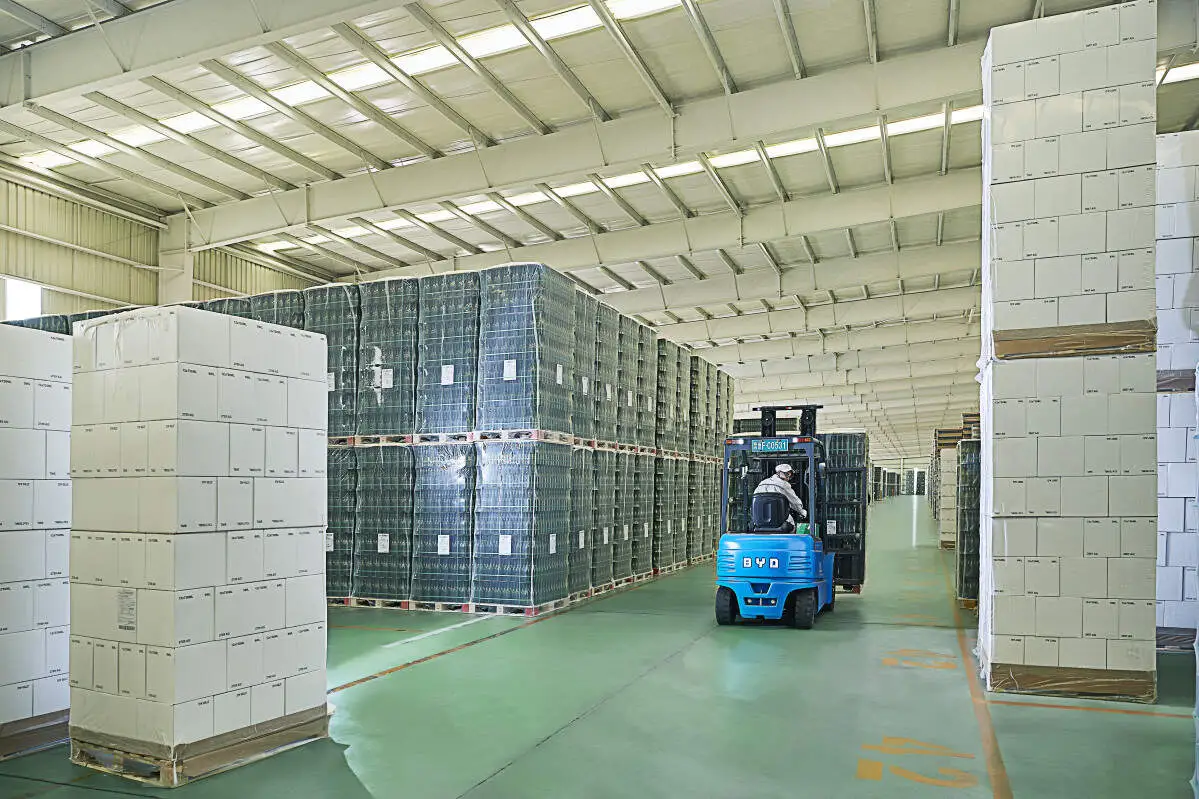
The hydraulic system is the core of an electric forklift, powering critical functions like load lifting, tilting and lowering. Over time, wear on hydraulic components can lead to reduced performance, increased downtime and higher maintenance costs. By adopting proactive maintenance and proper operating practices, you can significantly extend the lifespan of these components. Below are industry-backed, compliant strategies to minimize hydraulic component wear for electric forklift trucks.
Regular hydraulic oil maintenance is fundamental to reducing component wear. Hydraulic oil serves as both a lubricant and coolant, so contaminated or degraded oil is a leading cause of premature wear. Conduct routine checks of oil level and quality—look for discoloration, debris or foaming, which signal the need for an oil change. Follow manufacturer-recommended change intervals and always use the specified oil type to ensure compatibility with seals and components; avoid mixing different oil types, as this can compromise lubrication effectiveness.
Responsible forklift operation is another key factor. Rough handling creates excessive stress on hydraulic components: sudden starts, stops or aggressive lifting/tilting movements generate pressure spikes that wear down valves, pumps and cylinders. Never exceed the forklift’s rated load capacity, as overloading forces the hydraulic system to work beyond its design limits, accelerating wear. Train operators to use smooth, controlled movements to reduce strain on the entire system.
Regular inspections of seals and hydraulic lines are essential to prevent contamination. Damaged seals or leaking lines allow dirt and debris to enter the system, causing internal wear. Conduct visual checks of all lines, hoses and seals on a scheduled basis, looking for cracks, bulges or oil leakage around connections. Replace worn or damaged seals immediately to maintain proper system pressure and keep contaminants out—even small leaks can lead to long-term component damage.
Keeping the hydraulic system clean is also crucial. Dust and dirt are major enemies of hydraulic components, so ensure the hydraulic filler cap is tightly sealed to prevent debris from entering the tank. When adding oil, use a clean funnel and filter to avoid introducing impurities. Keep the area around the hydraulic tank and components free of grime, as accumulated dirt can find its way into the system during maintenance or operation.
For comprehensive care, partner with a professional service provider. Jianshu New Energy, a specialist in electric forklifts, offers expert maintenance services tailored to preserve hydraulic component integrity. Our team has in-depth knowledge of electric forklift systems, ensuring all maintenance is performed in compliance with industry standards. For more information or to schedule a service, you can reach us at 17399989919@163.com.
By following these practical, compliant strategies, you can effectively reduce hydraulic component wear, extend your electric forklift’s lifespan and keep operations running smoothly. Proactive care not only minimizes downtime but also cuts long-term maintenance costs, making it a smart investment for any business relying on electric forklifts.