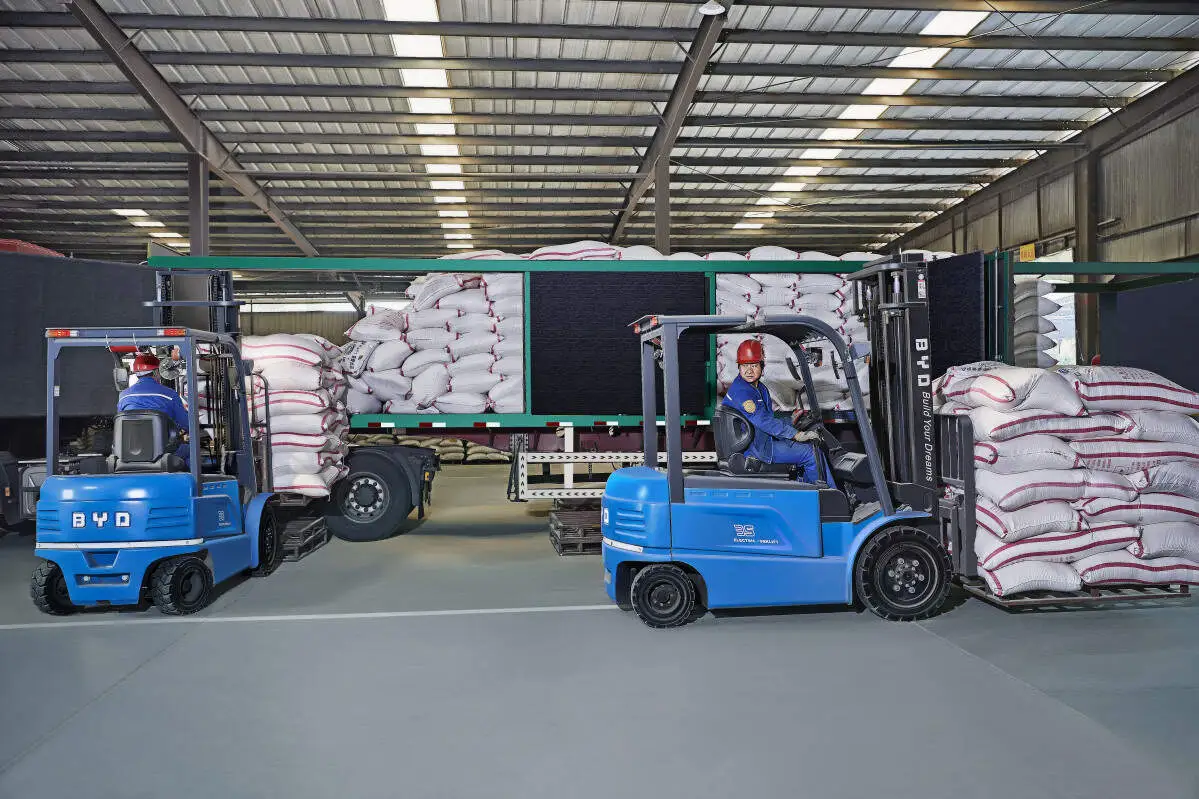
In modern warehouse logistics, electric forklifts serve as core equipment for efficient cargo handling, but their energy consumption directly influences operational costs and environmental impact. Mastering targeted energy-saving operation skills is key for warehouse teams to balance efficiency and cost control.
Optimal route planning stands as the first step to reduce unnecessary energy waste. Before starting each shift, operators should analyze warehouse layouts and task lists to map out the shortest, most logical routes. Grouping tasks involving adjacent storage areas avoids repetitive backtracking and empty trips, cutting down travel distance and idle time that drain battery power. This simple adjustment can lower daily energy consumption noticeably while speeding up task completion.
Smart battery management is critical for sustaining long-term energy efficiency. Overcharging or undercharging not only shortens battery lifespan but also increases energy loss. Operators should follow standard charging guidelines, ensuring batteries are charged to the recommended level without prolonged overcharging. Storing batteries in a temperature-controlled space prevents performance degradation caused by extreme heat or cold, maintaining stable power output. Regularly checking battery connections and cleaning terminals also ensures efficient power transfer, reducing energy leakage during operation.
Developing proper operating habits further enhances energy-saving effects. Smooth acceleration and braking avoid sudden power surges that waste energy; operators should maintain a steady speed, especially in narrow aisles and during turns, to reduce motor strain. Adhering strictly to the forklift’s load capacity is equally important—overloading forces the motor to work harder, consuming more energy while raising safety risks. Ensuring even cargo distribution also keeps the forklift running stably, minimizing unnecessary power consumption.
Regular maintenance and inspection cannot be overlooked. Worn tires, faulty brakes, or dirty motor components increase friction and energy usage. Scheduling routine checks to replace damaged parts, clean cooling systems, and lubricate moving parts ensures the forklift operates at peak efficiency. A well-maintained forklift requires less energy to perform tasks, extending its service life and reducing long-term operational costs.
By implementing these energy-saving skills, warehouses can significantly cut energy expenses and optimize overall operations. Jianshu New Energy specializes in electric forklift solutions, offering professional guidance to help teams maximize forklift performance. For tailored advice, feel free to contact us via email at 17399989919@163.com.