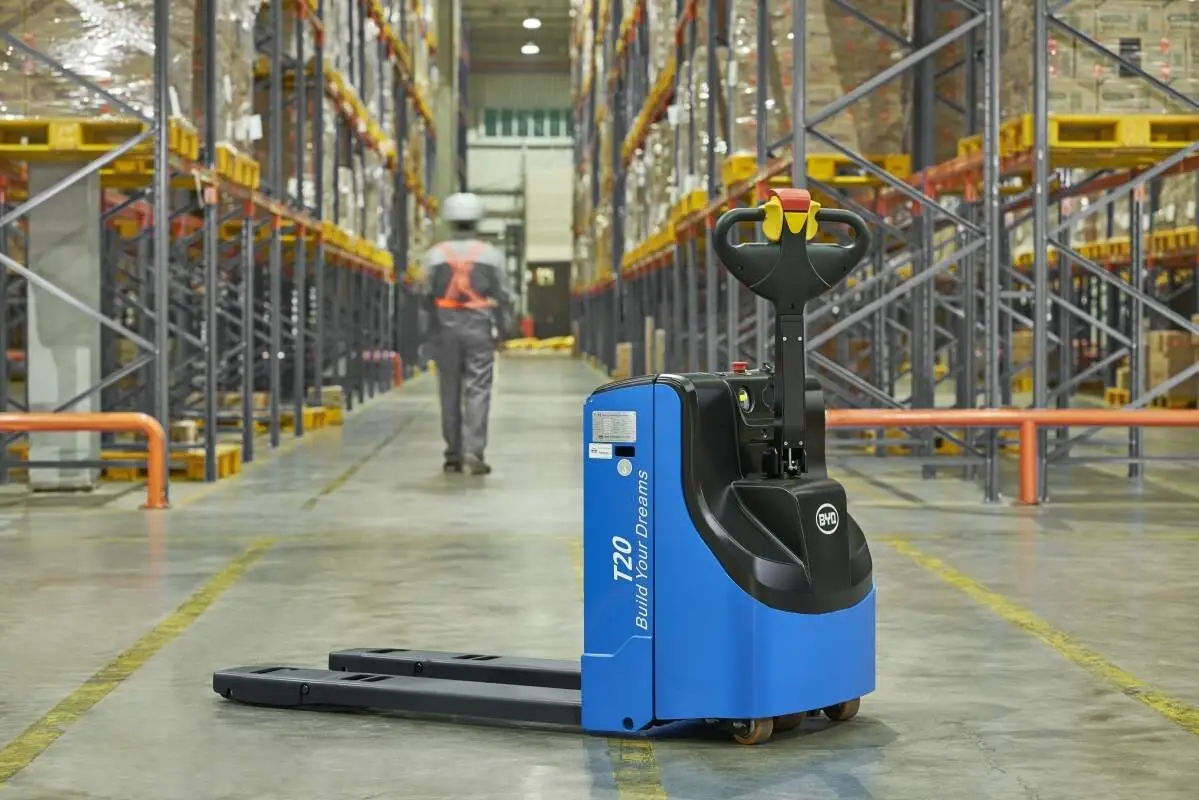
In today’s fast-paced warehouse and logistics operations, electric forklifts have become indispensable workhorses, driving efficiency and reducing carbon footprints. At the heart of these machines lies the battery—a critical component that directly impacts operational costs, uptime, and overall productivity. When it comes to powering modern electric forklifts, two primary battery technologies dominate the market: lithium-ion and lead-acid. Understanding their key differences is essential for businesses looking to make an informed choice that aligns with their operational needs and long-term goals.
Cost considerations often top the list when evaluating forklift battery options. Lead-acid batteries have a lower upfront purchase cost, making them an attractive choice for businesses with tight initial budgets. However, this apparent savings can be misleading when considering long-term expenses. Lead-acid batteries typically have a shorter lifespan, requiring more frequent replacements over time. Additionally, they demand regular maintenance, which adds to operational costs. In contrast, lithium-ion batteries come with a higher initial price tag but offer significant long-term value. Their longer operational life means fewer replacements, and their low-maintenance design reduces ongoing service expenses, making them a cost-effective option for businesses focused on long-term efficiency.
Performance is another crucial factor that sets these two battery types apart. Lithium-ion batteries excel in fast charging capabilities, allowing forklifts to be topped up during short breaks or shift changes without lengthy downtime. They deliver consistent power throughout the discharge cycle, ensuring steady performance even as the battery level drops. Moreover, lithium-ion batteries perform reliably in low-temperature environments, making them suitable for cold storage facilities. Lead-acid batteries, on the other hand, require longer charging times and often need dedicated charging stations with cooling periods. Their power output tends to decline as the battery discharges, which can impact forklift performance during extended shifts. They also struggle in cold conditions, with reduced capacity and slower charging rates.
Maintenance requirements further distinguish lithium-ion and lead-acid batteries. Lead-acid batteries demand regular upkeep, including checking electrolyte levels, adding distilled water, cleaning terminals, and performing equalization charges to maintain battery health. These tasks require trained personnel and take valuable time away from core operations. Lithium-ion batteries, by comparison, are virtually maintenance-free. They do not require electrolyte checks or equalization charges, and their sealed design eliminates the risk of leaks. Routine inspections are limited to monitoring battery state and ensuring proper charging practices, freeing up staff resources for more critical tasks.
Sustainability is an increasingly important consideration for modern businesses. Lead-acid batteries contain hazardous materials like lead and sulfuric acid, which pose environmental risks if not properly handled and recycled. While recycling programs exist, the process is complex and energy-intensive. Lithium-ion batteries are more environmentally friendly, with higher recyclability rates and fewer toxic components. They also contribute to lower overall carbon emissions due to their higher energy efficiency and longer lifespan. For businesses aiming to reduce their environmental impact and meet sustainability goals, lithium-ion batteries are a more aligned choice.
Ultimately, the choice between lithium-ion and lead-acid batteries depends on a business’s specific priorities. Those focused on short-term cost savings with moderate operational demands may opt for lead-acid batteries. However, businesses seeking long-term efficiency, reduced downtime, and sustainable operations will find lithium-ion batteries to be a superior investment. For expert guidance on selecting the right battery-powered electric forklifts, including BYD models, reach out to Jianshu New Energy at 17399989919@163.com. Our team of specialists can help you evaluate your needs and find the optimal power solution for your fleet.