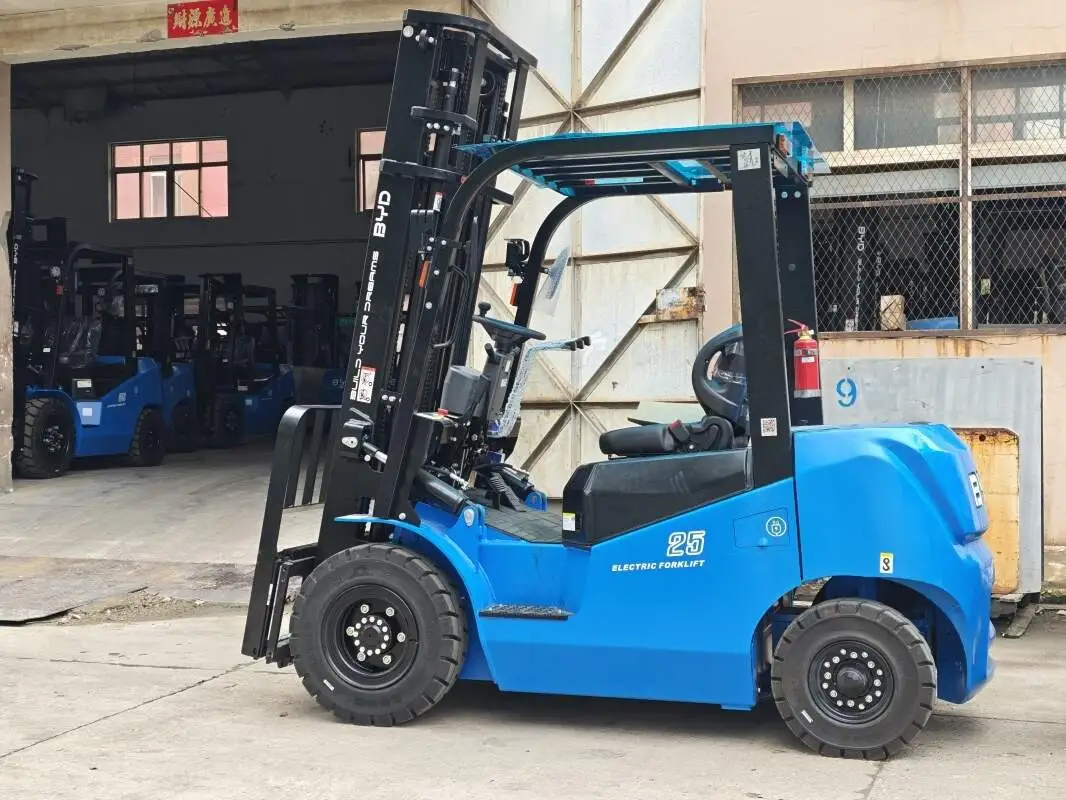
Operating electric forklifts in India requires strict adherence to a set of legal compliance requirements designed to ensure workplace safety, protect operators, and align with national regulatory standards. Understanding these obligations is critical for businesses using electric forklifts to avoid penalties and maintain safe operations.
First, licensing and operator certification are non-negotiable. The Government of India mandates that all electric forklift operators hold a valid certification from a recognized training institution. This certification covers essential skills like forklift operation, load handling, emergency response, and understanding machine-specific safety features. Operators must also undergo periodic refresher training to stay updated with evolving safety protocols and regulatory changes. Businesses are responsible for verifying the validity of their operators’ certifications before allowing them to operate electric forklifts.
Next, electric forklift equipment must comply with established safety and quality standards. In India, the Bureau of Indian Standards (BIS) sets guidelines for electric forklift design, manufacturing, and maintenance. Key requirements include functional safety features such as anti-rollover systems, reliable braking mechanisms, clear visibility aids, and properly insulated electrical components. Regular maintenance checks are mandatory; businesses must keep detailed records of servicing, repairs, and inspections to demonstrate compliance during regulatory audits. Battery safety is also a critical aspect—electric forklift batteries must be stored, charged, and handled in accordance with fire safety and environmental guidelines to prevent hazards like short circuits or chemical leaks.
Environmental compliance is another key area to address. Electric forklifts use rechargeable batteries, and improper disposal or handling of these batteries can violate India’s environmental regulations, such as those outlined in the Hazardous and Other Wastes (Management and Transboundary Movement) Rules. Businesses must ensure that used batteries are recycled or disposed of through authorized facilities to minimize environmental impact. Additionally, charging stations for electric forklifts must be set up in well-ventilated areas to avoid the accumulation of harmful gases, adhering to local fire safety norms.
Workplace safety protocols further reinforce compliance. Businesses must designate clear, marked pathways for forklift movement to avoid collisions with pedestrians or other equipment. Load capacity limits specified by the forklift manufacturer must be strictly followed to prevent accidents. Regular safety audits and risk assessments should be conducted to identify and mitigate potential hazards in the workplace. Emergency response plans, including first aid stations and fire suppression equipment near forklift operation areas, are also required to ensure quick action in case of incidents.
For businesses seeking reliable electric forklifts that align with India’s compliance standards, Jianshu New Energy specializes in BYD electric forklifts. Our team can provide guidance on ensuring your forklifts meet all legal requirements, from equipment specifications to operator training support. For more information, please contact us at 17399989919@163.com.