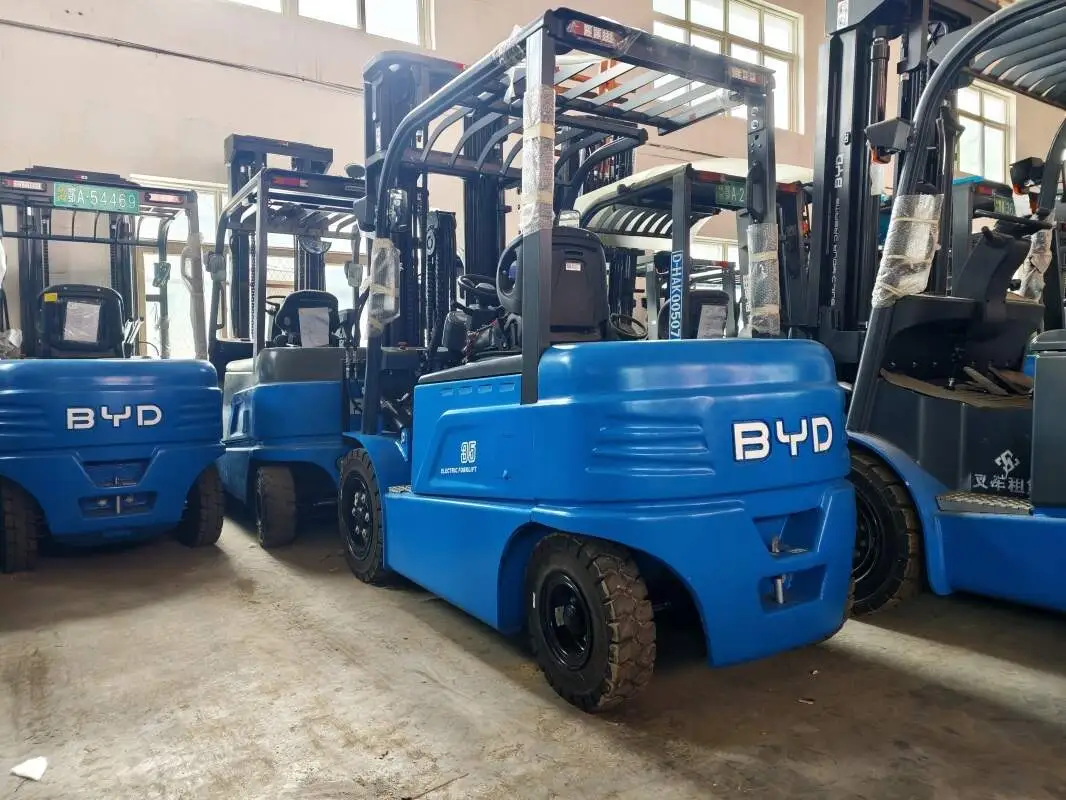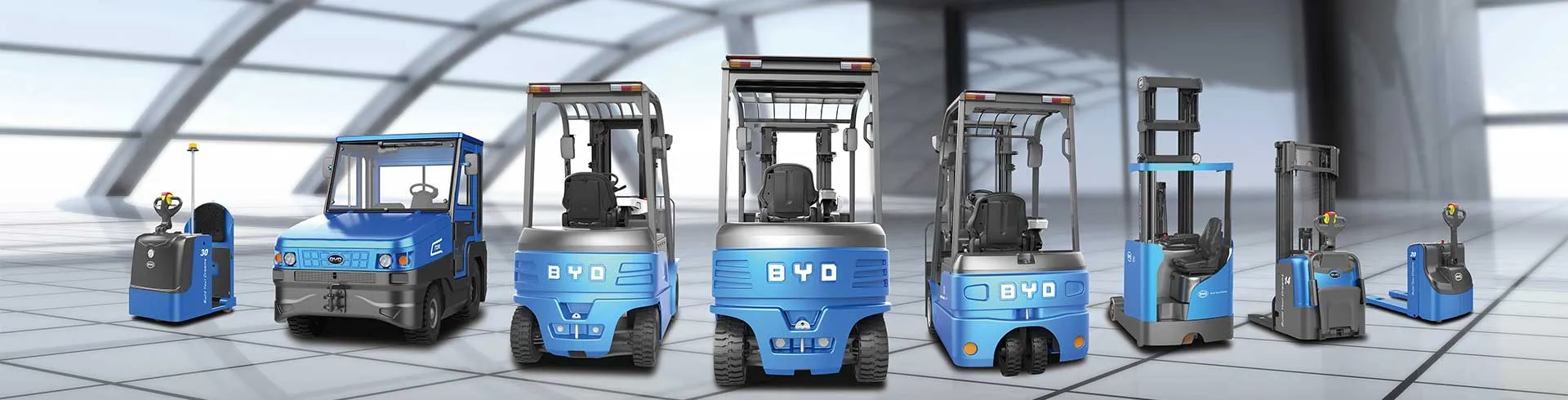
The electric forklift battery is the core of material handling operations, directly influencing productivity and operational costs. Implementing consistent, professional maintenance practices is key to maximizing its service life and ensuring reliable performance. Below are evidence-based strategies to keep your electric forklift battery in optimal condition.
Start with daily visual and functional inspections before each shift. Check the battery’s exterior for signs of damage, such as cracks, leaks, or bulging cases. Inspect cable connections to ensure they are tight and free from corrosion—loose or corroded terminals can lead to power loss and premature battery failure. For flooded lead-acid batteries, verify electrolyte levels stay within the recommended range; low levels can cause plate damage and reduce capacity. Address minor issues promptly to prevent them from escalating into costly repairs.
Adhering to proper charging protocols is critical for extending battery lifespan. Avoid overcharging or undercharging, both of which degrade battery cells over time. Follow the manufacturer’s recommended charging duration and use a charger matching the battery’s voltage and capacity. Charge the battery in a well-ventilated area to dissipate heat, as high temperatures accelerate degradation. Allow the battery to cool for 15 to 30 minutes after heavy use before charging, and avoid frequent fast charging, which shortens overall battery life. Periodically perform equalization charging (if applicable) to balance cell voltages and maintain consistent performance.
Regular cleaning and corrosion prevention are often overlooked but essential steps. Keep the battery surface and terminals free from dirt, dust, and electrolyte residue, which can cause electrical shorts and corrosion. Use a mild, non-corrosive cleaner and warm water to wipe down the battery, taking care to avoid water entering cells. After cleaning, apply a thin layer of anti-corrosion grease to terminals to protect against oxidation. This simple step reduces terminal damage risk and ensures efficient power transfer.
Optimize storage conditions for batteries unused for extended periods. Fully charge the battery before storing it, and place it in a cool, dry, well-ventilated area with temperatures between 0°C and 25°C. Avoid extreme temperatures, as both hot and cold environments cause capacity loss. Check voltage monthly and recharge to full capacity if it drops below the recommended level, preventing deep discharge that permanently damages cells.
Finally, ensure all operators are trained on proper battery handling and maintenance. Educate them on safe charger connection/disconnection, identifying early battery issues, and following maintenance schedules. Well-trained operators prevent accidental damage and ensure consistent adherence to protocols.
By implementing these practices, you can significantly prolong electric forklift battery service life, reduce replacement costs, and maintain operational efficiency. For expert guidance on electric forklift batteries and solutions, contact Jianshu New Energy, a specialist in BYD electric forklifts, at 17399989919@163.com.