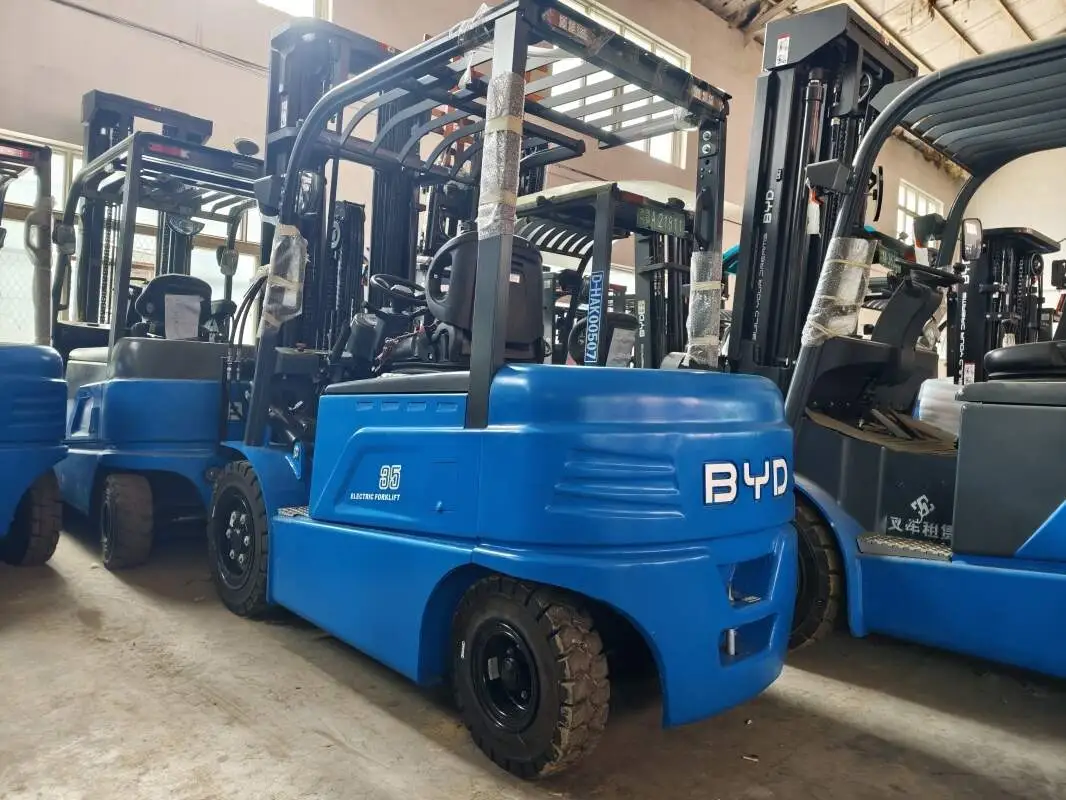
Side tip-over is one of the most prevalent and hazardous accidents involving electric forklifts, endangering operator safety, warehouse assets, and operational efficiency. For electric forklift operators, mastering preventive measures is not only a core responsibility but also vital to fostering a secure working environment. Below are key strategies to mitigate side tip-over risks effectively.
Adhere to Load Capacity Rules and Ensure Proper Load Balancing
Every electric forklift has a defined load capacity and center of gravity range that must be strictly followed. Overloading shifts the forklift’s center of gravity outward, drastically increasing tip-over risk, especially during turns or on slopes. Operators should always check the load rating plate before lifting cargo, ensuring loads are evenly distributed on forks. Adjust uneven loads to keep their center of gravity close to the forklift’s body, and avoid overly wide or tall loads that raise the overall center of gravity and compromise stability.
Control Speed and Maneuver with Caution
High speed is a leading cause of side tip-over accidents, particularly during turns. Electric forklifts are engineered for warehouse operations, but their stability can be easily compromised if operators drive too fast. When approaching turns, intersections, or narrow aisles, reduce speed to a safe level and avoid sharp turns. Sudden acceleration or braking should also be avoided, as these actions shift loads and disrupt balance. On wet or slippery floors, extra care is needed to prevent skidding that could lead to tip-over.
Navigate Uneven Terrain and Slopes Safely
Many warehouses feature uneven floors, ramps, or outdoor loading areas with sloped surfaces. When operating on uneven terrain, slow down and maintain straight travel as much as possible. If navigating a slope, always travel with the load facing uphill to preserve stability. Never attempt to turn on a slope, as this can cause the forklift to lose balance and tip over. If terrain is severely uneven, assess safety and seek alternative routes if necessary.
Conduct Regular Equipment Inspections
A well-maintained electric forklift minimizes stability issues that lead to tip-over. Operators should perform pre-shift inspections of key components: tires, brakes, steering systems, and lift mechanisms. Worn or underinflated tires reduce traction and stability, so replace or inflate them to recommended pressure immediately. Faulty brakes or steering impede control, increasing accident risk. Report any defects promptly to maintenance teams for repairs.
Complete Comprehensive Safety Training
Proper training is the cornerstone of safe electric forklift operation. Operators should finish certified training programs covering basic skills and specific protocols for preventing side tip-over. Training should include practical exercises on load balancing, terrain navigation, and emergency response. Regular refresher courses help operators stay updated on safety practices and reinforce good habits.
At Jianshu New Energy, we specialize in electric forklifts and are dedicated to helping operators and businesses enhance operational safety. For more guidance on electric forklift safety or product inquiries, contact us at 17399989919@163.com. By implementing these measures, operators can significantly reduce side tip-over risks, ensuring a safe and efficient workplace for all.