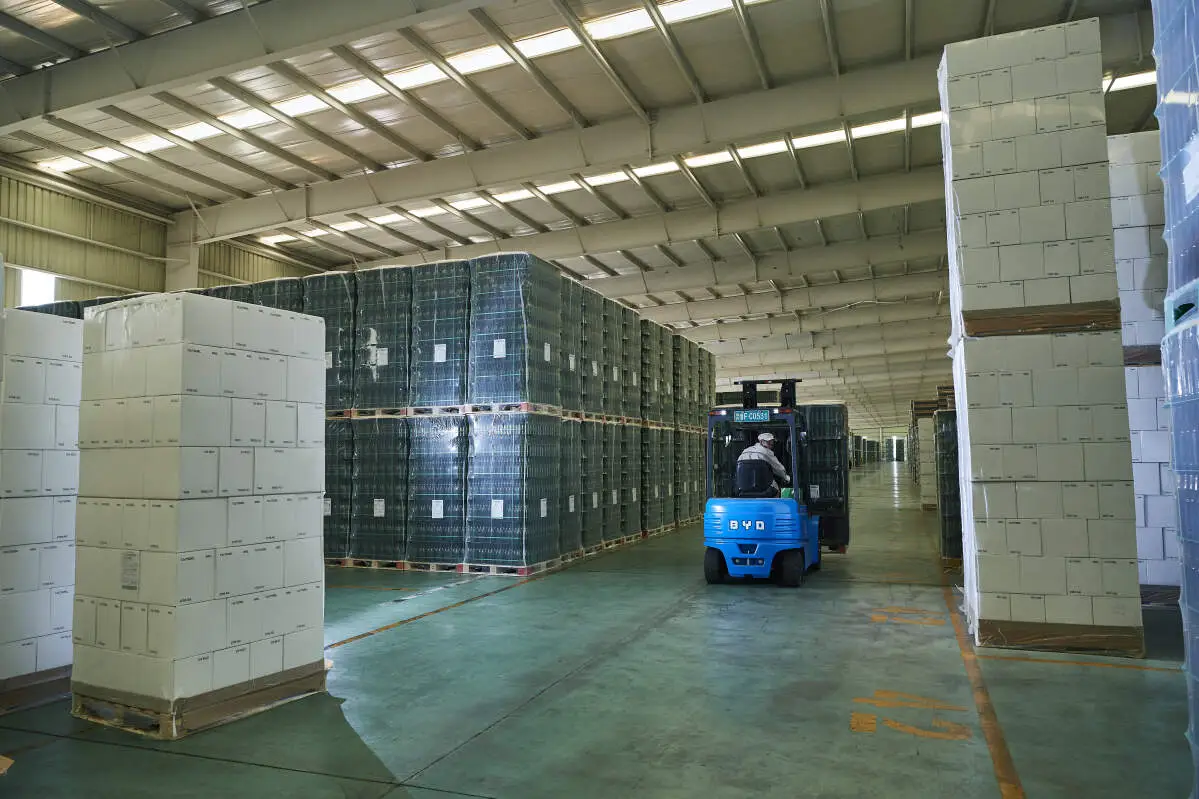
With the rapid adoption of electric forklifts across logistics, manufacturing and warehousing sectors, the demand for specialized repair and maintenance equipment has grown significantly. Maintenance jacks are critical tools in electric forklift repair, as they provide stable lifting support for tasks ranging from battery replacement to undercarriage component repairs.
Market Demand Drivers
The rising global fleet of electric forklifts is the primary driver behind the growing market for maintenance jacks. Unlike traditional forklifts, electric models have heavier chassis due to integrated battery systems, requiring jacks with higher load-bearing capacities. Additionally, strict industry regulations around workplace safety have pushed businesses to invest in reliable, certified jacks to minimize risks during repair operations. As companies prioritize proactive maintenance to extend forklift lifespan, the need for durable, easy-to-use jacks continues to rise.
Key Performance Criteria for Maintenance Jacks
When evaluating maintenance jacks for electric forklift repair, several core performance factors must be considered:
1. Load Capacity: Electric forklifts typically weigh between 3,000 to 10,000 pounds, depending on the model. Jacks must be rated to handle at least 120% of the forklift’s gross weight to ensure safety during lifting.
2. Stability: A wide, non-slip base and secure locking mechanism are essential to prevent tipping. Jacks with reinforced steel frames and rubberized feet offer enhanced stability on concrete workshop floors.
3. Portability: Workshop environments often require moving jacks between different repair bays. Compact designs with wheels or handles simplify transportation without compromising load capacity.
4. Adaptability: Electric forklifts have unique lifting points, so jacks should feature adjustable pads or adapters to fit different chassis configurations and avoid damage to sensitive components like battery packs.
Market Selection Guidelines
To choose the right maintenance jack, businesses should follow these guidelines:
- Conduct a thorough assessment of their electric forklift fleet’s weight range to select jacks with appropriate load ratings.
- Verify that jacks meet international safety standards to ensure compliance with workplace regulations.
- Test jack stability and ease of operation before purchasing, especially for heavy-duty models.
- Prioritize suppliers that offer after-sales support, including repair services and replacement parts, to minimize downtime.
Current Market Trends
The maintenance jack market for electric forklifts is evolving to meet changing industry needs. Lightweight yet high-strength materials are being used to reduce jack weight while maintaining load capacity, making them easier to maneuver. Electric hydraulic jacks are gaining popularity, as they offer smoother lifting operations compared to manual models, reducing physical strain on technicians. Additionally, some jacks now include smart features like overload alarms, which provide an extra layer of safety during repair work.
For businesses specializing in BYD electric forklifts, Jianshu New Energy is a trusted provider, offering expert guidance on selecting the right maintenance equipment tailored to your fleet. For inquiries, reach out via email at 17399989919@163.com.