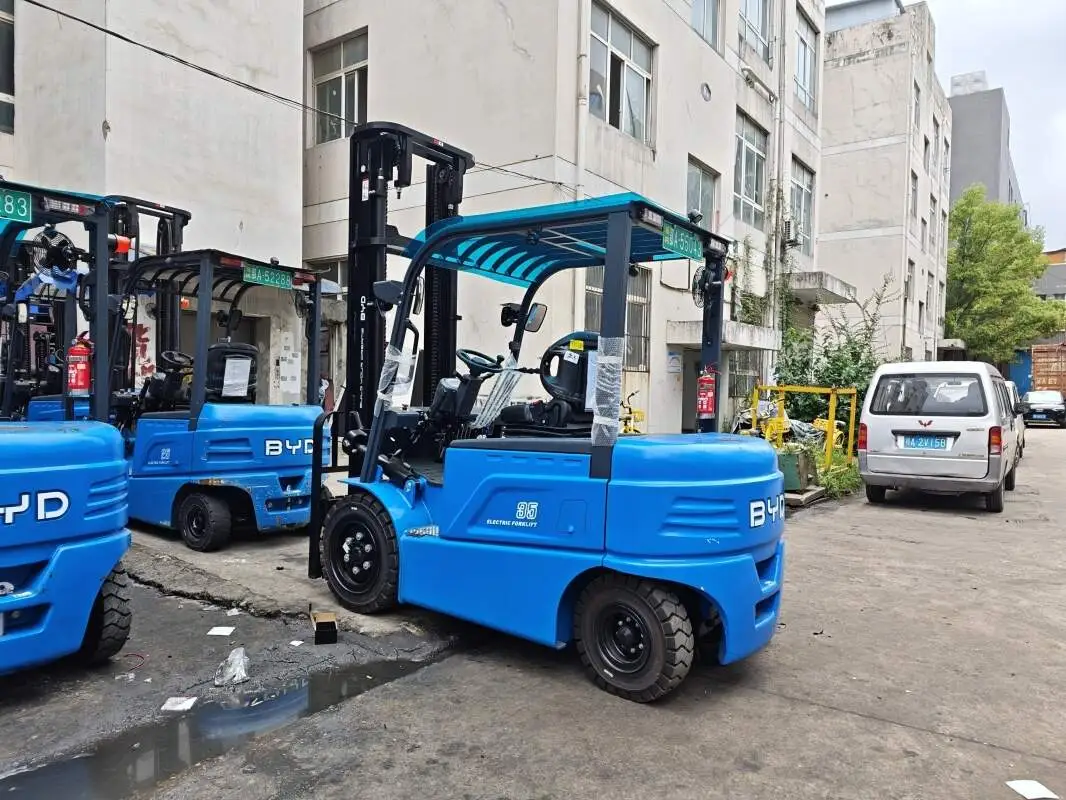
When shopping for used electric forklift equipment, understanding the major cost factors is crucial to making a financially sound decision. While the upfront purchase price may seem appealing, hidden costs can quickly add up, impacting your long-term budget. Below are key factors to evaluate to ensure you choose a used electric forklift that aligns with your operational needs and cost expectations.
One of the most significant cost factors is the condition of the forklift’s battery. electric forklifts rely heavily on their batteries for power, and a worn-out or degraded battery can be one of the priciest components to replace. When assessing a used unit, check the battery’s age, charging cycles, and overall performance. A battery that holds less than 80% of its original charge capacity may require immediate replacement, which can represent a substantial portion of the forklift’s total cost. Additionally, consider the type of battery and its compatibility with your charging infrastructure, as adapting to a new system could incur extra expenses.
Maintenance history is another critical element to review. A well-documented maintenance record indicates that the forklift has been properly cared for, reducing the risk of unexpected breakdowns and costly repairs. Look for records of regular servicing, including battery checks, brake inspections, and motor maintenance. Forklifts with no maintenance history may have underlying issues that are not immediately visible, such as worn-out components or electrical problems, which can lead to high repair costs shortly after purchase. It’s advisable to have a professional inspect the equipment to identify any potential hidden issues.
Operating hours and usage intensity also play a role in determining long-term costs. Higher operating hours generally mean more wear and tear on the forklift’s components, such as the motor, tires, and hydraulics. However, it’s not just the number of hours but also how the forklift was used. A forklift used in a light-duty warehouse environment will likely have less wear than one used in a heavy-duty outdoor setting with rough terrain. Evaluate the forklift’s usage history to estimate future maintenance and replacement costs for parts.
Compliance with safety and environmental regulations is another cost consideration. Used electric forklifts must meet current safety standards to be legally operated. If the equipment lacks necessary certifications or has outdated safety features, you may need to invest in upgrades or modifications to bring it into compliance. These modifications can include adding safety lights, updating control systems, or ensuring proper ventilation for battery charging. Failing to address compliance issues can result in fines and operational downtime, adding to your overall costs.
Finally, consider the ongoing operational costs. While electric forklifts are generally more energy-efficient than their internal combustion counterparts, the cost of electricity and battery charging can vary based on local rates and usage patterns. Additionally, the availability and cost of spare parts should be evaluated. Forklifts with common parts are typically cheaper to maintain than those with rare or specialized components. Understanding these ongoing costs will help you calculate the total cost of ownership over the forklift’s lifespan.
At Jianshu New Energy, we specialize in BYD electric forklifts, offering expert guidance to help you navigate the process of selecting used electric forklift equipment. Whether you’re looking for cost-effective options or need advice on evaluating equipment condition, our team is here to assist. Feel free to reach out to us at 17399989919@163.com for personalized support.