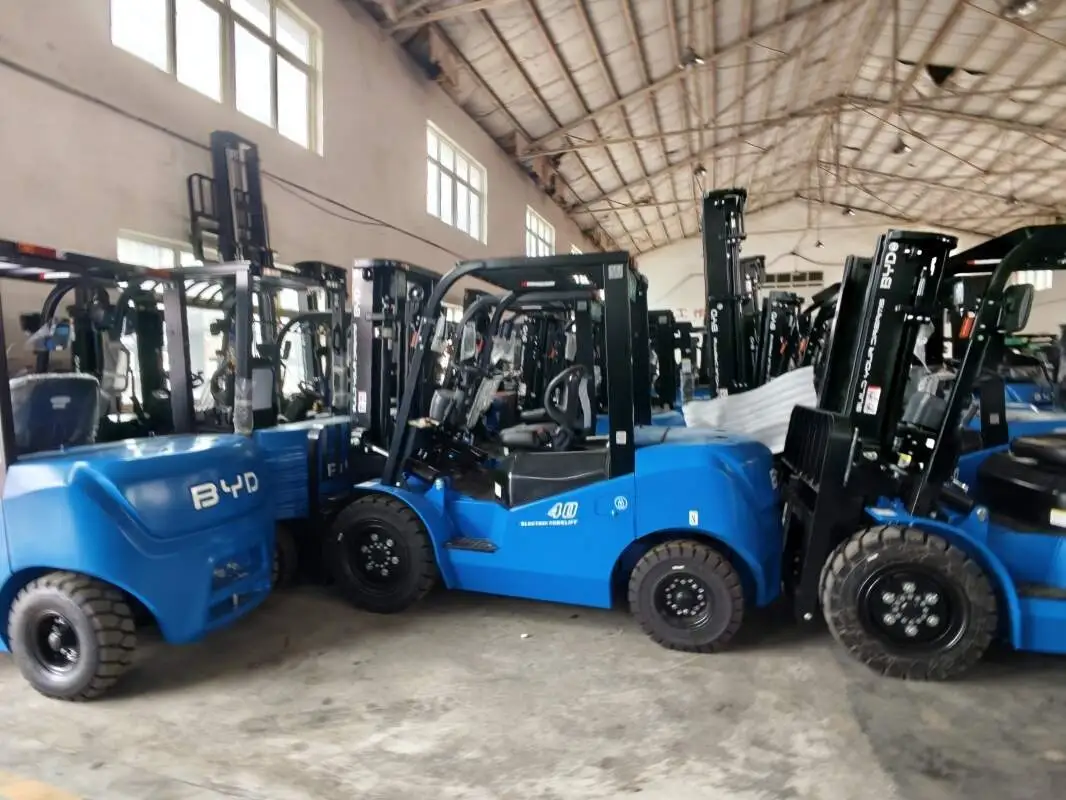
Forklifts are indispensable tools in material handling operations, enabling efficient movement of heavy goods across warehouses, manufacturing facilities, and construction sites. However, ensuring safe operation requires a clear understanding of how a forklift’s rated capacity interacts with its maximum safe load height. Exceeding these limits can lead to instability, tip-overs, and serious workplace accidents, making it crucial for operators and managers to adhere to established guidelines.
Light-Duty Forklifts (1–2 Ton Rated Capacity)
Light-duty forklifts are commonly used for light material handling tasks in small warehouses, retail spaces, and distribution centers with low-level storage racks. Their maximum safe load height typically ranges from 3 to 4 meters. This range is determined by their compact design and lower weight, which provides better maneuverability but limits their ability to handle heavy loads at greater heights. Factors that can reduce this safe height include the use of attachments like side shifters or fork positioners, which add extra weight and alter the forklift’s center of gravity. Additionally, uneven or slippery floor surfaces can further compromise stability, requiring operators to reduce the load height to maintain safety.
Medium-Duty Forklifts (3–5 Ton Rated Capacity)
Medium-duty forklifts are the workhorses of most industrial and logistics operations, handling a wide range of loads from pallets to machinery components. Their maximum safe load height generally falls between 4 and 6 meters. These forklifts feature a balanced weight design that helps distribute the load’s weight more evenly, allowing for higher lifts compared to light-duty models. However, operators must still be mindful of load distribution—irregularly shaped or unbalanced loads can significantly reduce the safe load height. For example, a load that is shifted to one side of the forks will create an uneven center of gravity, increasing the risk of tip-over even if the total weight is within the forklift’s rated capacity. Regular checks of the forklift’s stability, especially when lifting to maximum heights, are essential to prevent accidents.
Heavy-Duty Forklifts (6+ Ton Rated Capacity)
Heavy-duty forklifts are designed for handling extremely heavy loads, such as steel beams, construction materials, and shipping containers, primarily in outdoor settings. Due to their high rated capacity, their maximum safe load height is more limited, typically ranging from 2 to 4 meters. The increased weight of these loads raises the forklift’s center of gravity substantially, making it more prone to instability at greater heights. Operators must exercise extreme caution when using heavy-duty forklifts, especially on uneven terrain or slopes. Even small inclines can reduce the safe load height significantly, as the gravitational pull on the load increases the risk of tip-over. Slow, deliberate movements and constant monitoring of the load’s position are critical to maintaining safety.
Key Factors Influencing Safe Load Height
Beyond rated capacity, several other factors can impact a forklift’s maximum safe load height. Load type plays a significant role—uniformly distributed loads, such as standard pallets, allow for higher safe heights compared to irregularly shaped or bulky loads that shift the center of gravity. Ground conditions are another critical consideration; soft or uneven surfaces reduce the forklift’s stability, requiring operators to lower the load height to compensate. Forklift maintenance also matters: worn tires, damaged lift chains, or faulty hydraulic systems can compromise the forklift’s ability to safely lift loads to their maximum height. Regular inspections and maintenance are essential to ensure the forklift operates within safe parameters.
Essential Safety Practices for Forklift Operation
To ensure compliance with safe load height limits, operators should follow several key practices. First, always refer to the forklift’s manufacturer’s plate, which provides specific guidelines for load capacity at different heights. This plate includes a load-height chart that outlines the maximum safe weight for each lift height, and operators must never exceed these values. Second, avoid overloading the forklift even at lower heights, as excess weight can still lead to instability. When lifting loads, do so slowly and smoothly to prevent sudden shifts in the center of gravity. When transporting loads, keep them as low as possible to maintain stability, especially when turning or traveling over uneven surfaces. Finally, ensure all operators receive proper training on forklift safety, including how to calculate safe load heights based on the forklift’s rated capacity and operating conditions.
By understanding the maximum safe load height limits for different rated capacity forklifts and adhering to essential safety practices, workplaces can significantly reduce the risk of accidents and create a safer environment for all employees. Regular training, maintenance, and adherence to guidelines are key to ensuring the safe and efficient operation of forklifts in any material handling setting.