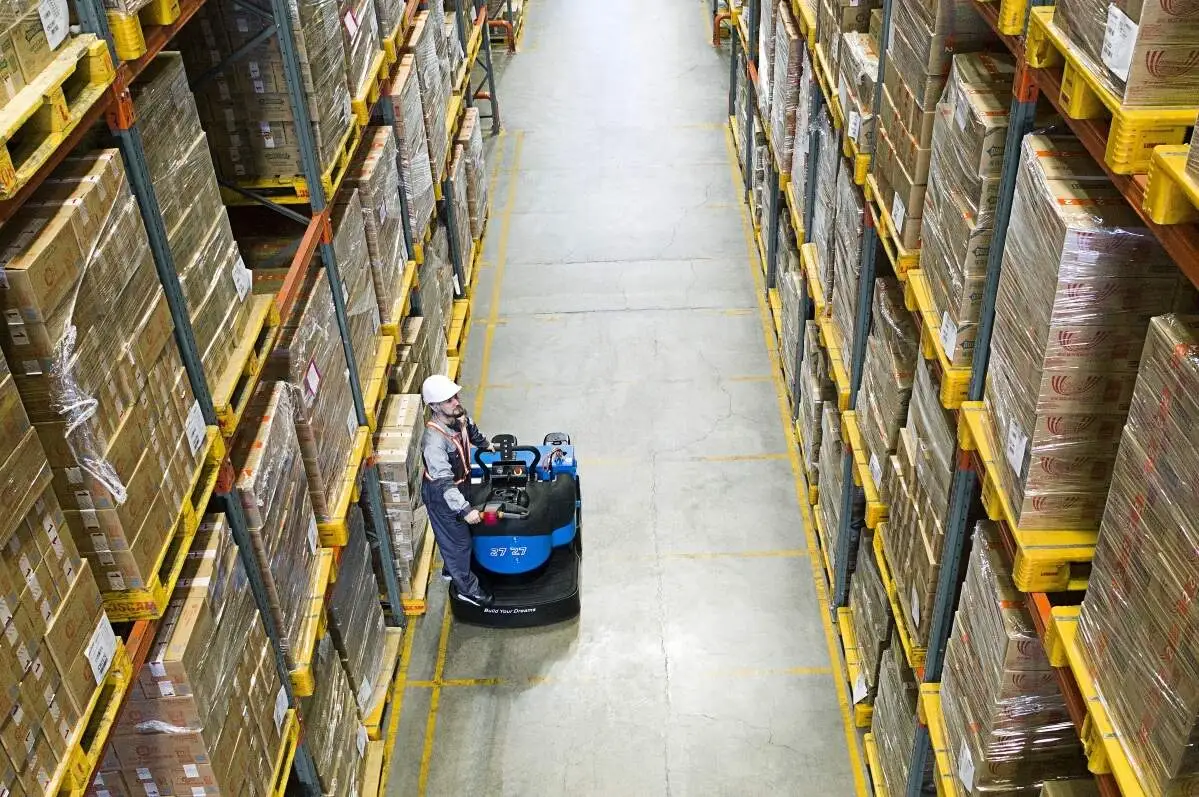
For small businesses operating in compact warehouses, retail spaces, or local distribution centers, material handling can often feel like a balancing act between efficiency and cost. Traditional forklifts are often too large, expensive, or cumbersome to fit into these limited environments, leaving many small business owners searching for a more practical solution. Enter self-loading portable forklifts—designed to address these exact pain points by combining accessible pricing with exceptional mobility.
Pricing Advantages for Small Business Budgets
One of the most compelling reasons small businesses turn to self-loading portable forklifts is their cost-effectiveness. Unlike full-sized forklifts, which can require significant upfront investment, portable models typically come with a lower price point that aligns with smaller operational budgets. This affordability extends beyond the initial purchase: portable forklifts have fewer complex components, translating to lower maintenance costs over time. There’s no need for specialized service technicians or expensive replacement parts, making routine upkeep manageable for in-house teams.
Additionally, these forklifts eliminate the need for dedicated storage space. Their compact size means they can be stored in a corner of a warehouse or even a standard garage when not in use, saving small businesses from investing in separate storage facilities or rental space. For businesses that operate on a seasonal or project-based schedule, portable forklifts also offer flexible financing options, including short-term rentals, allowing owners to access the equipment they need without long-term financial commitments.
Mobility: Navigating Tight Spaces with Ease
The mobility benefits of self-loading portable forklifts are where they truly shine for small businesses. Their compact, lightweight design allows them to maneuver through narrow aisles, tight doorways, and cramped loading docks—spaces where traditional forklifts would struggle to operate. This agility means small businesses can optimize their existing workspace without rearranging shelves or expanding facilities, maximizing every square foot of available area.
Self-loading functionality adds another layer of efficiency. Unlike standard forklifts that require additional personnel to load pallets or materials, these models come equipped with built-in mechanisms that let a single operator handle both loading and transport. This reduces labor costs and speeds up daily operations, which is especially valuable for small teams where every employee’s time is critical.
Portability also extends to outdoor use. Many self-loading portable forklifts are designed with sturdy, non-slip tires that perform well on uneven surfaces like gravel driveways or outdoor loading areas. This versatility means businesses can use the same equipment for both indoor warehouse tasks and outdoor deliveries, eliminating the need for multiple specialized tools.
Real-World Applications for Small Businesses
For small retail stores, self-loading portable forklifts make restocking inventory a breeze. Operators can quickly move pallets of goods from delivery trucks to storage rooms or sales floors, even navigating around display racks and customer traffic. In local manufacturing workshops, these forklifts help transport raw materials and finished products between workstations, keeping production lines moving smoothly without disrupting workflow.
For small-scale logistics companies, the ability to move equipment between multiple job sites is a game-changer. Portable forklifts can be loaded onto a small trailer and transported to different locations, allowing businesses to serve clients across a wider area without investing in multiple pieces of heavy machinery.
Making the Right Choice
When considering a self-loading portable forklift, small business owners should evaluate their specific needs, including the weight capacity required, the types of surfaces they’ll be operating on, and the available storage space. While these forklifts offer significant advantages, they are designed for lighter loads compared to full-sized models, so it’s important to choose a model that aligns with daily operational demands.
In summary, self-loading portable forklifts offer small businesses a cost-effective, flexible solution for material handling challenges. Their accessible pricing and exceptional mobility make them an ideal choice for businesses looking to improve efficiency without overextending their budgets. By investing in this versatile equipment, small business owners can streamline operations, optimize workspace, and focus on growing their business rather than struggling with cumbersome material handling processes.