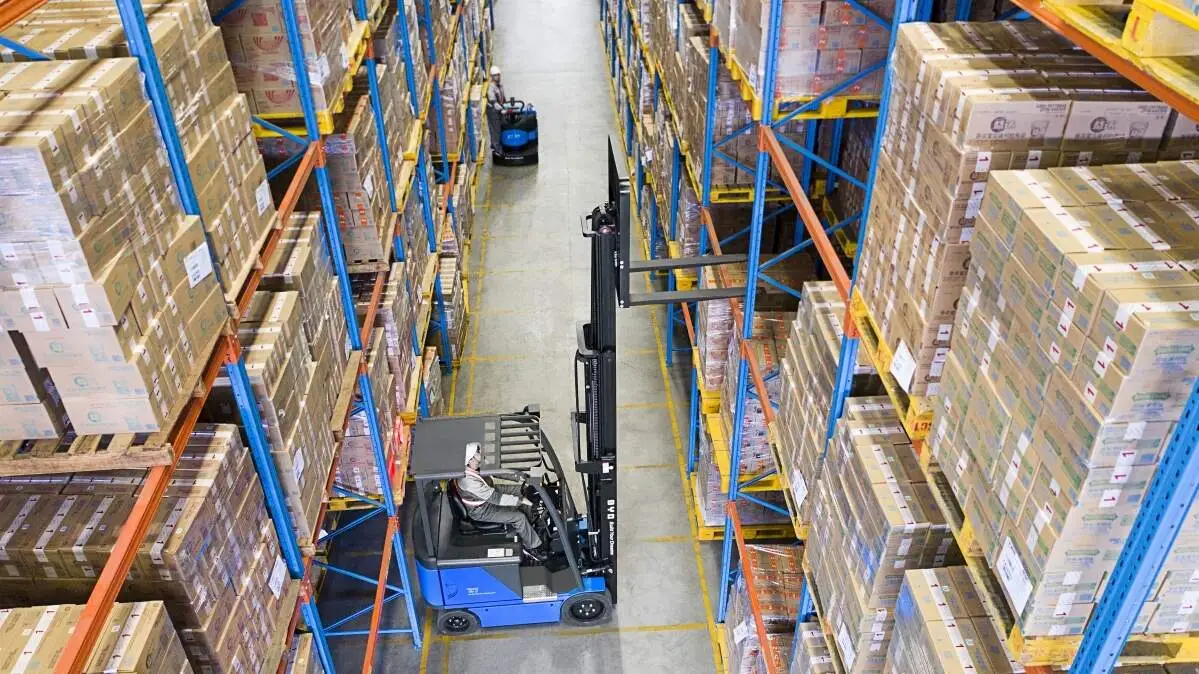
Building construction sites are dynamic environments where efficiency, safety, and timely task completion are critical. Among the various pieces of heavy equipment deployed on these sites, forklifts stand out as versatile workhorses that support a wide range of operations beyond basic material lifting. Their adaptability to different terrain, load capacities, and attachment options makes them indispensable for streamlining daily construction tasks.
One of the primary uses of forklifts on construction sites is the movement of building materials. From bulky concrete blocks and steel reinforcements to bags of cement and drywall panels, forklifts can safely transport heavy loads across uneven ground that would be challenging for manual labor or smaller vehicles. For instance, when delivering precast concrete components to upper floors of a mid-rise building, forklifts equipped with extended forks or lifting attachments can position these elements precisely, reducing the need for cranes in certain scenarios and cutting down on waiting times. This not only speeds up material distribution but also minimizes the risk of material damage that can occur during manual handling.
Forklifts also play a key role in moving heavy construction equipment and tools around the site. Items like portable generators, air compressors, and scaffolding components are often too heavy or cumbersome to be moved by hand. Forklifts can lift and transport these items to the exact location where they are needed, eliminating the need for multiple workers and reducing the potential for workplace injuries. Additionally, forklifts can be used to load and unload equipment from delivery trucks, ensuring that new arrivals are quickly integrated into the construction workflow without causing delays.
Maintaining an organized construction site is essential for safety and efficiency, and forklifts contribute significantly to this effort. They can be used to stack materials in designated storage areas, keeping walkways and work zones clear of clutter. Moreover, forklifts equipped with waste bins or grapple attachments are effective at collecting and transporting construction waste, such as broken lumber, discarded packaging, and concrete debris. By regularly removing waste from the site, forklifts help prevent tripping hazards and create a cleaner, more productive work environment.
For indoor construction projects, such as building renovations or the construction of enclosed spaces, forklifts offer unique advantages. Compact electric forklifts are ideal for navigating narrow hallways and tight corners, where larger equipment would be unable to operate. These forklifts can transport materials like flooring materials, ceiling panels, and plumbing fixtures to different floors or rooms, supporting interior finishing work without disrupting the site layout. Their quiet operation also makes them suitable for use in occupied buildings or areas where noise pollution is a concern.
Beyond transportation, forklifts can assist with certain installation tasks on construction sites. For example, when installing lightweight prefabricated walls or window frames, forklifts can lift these components to the correct height, allowing workers to secure them in place more easily. This reduces the physical strain on workers and ensures that installations are completed accurately and efficiently. Forklifts can also be used to position temporary structures, such as construction barriers or portable offices, helping to define work zones and improve site safety.
In conclusion, forklifts are multifunctional tools that offer numerous practical uses on building construction sites. From material handling and equipment transport to site organization and installation support, their versatility makes them a valuable asset for any construction project. By leveraging the capabilities of forklifts, construction teams can enhance operational efficiency, reduce labor costs, and maintain a safer work environment, ultimately contributing to the successful completion of projects on time and within budget.