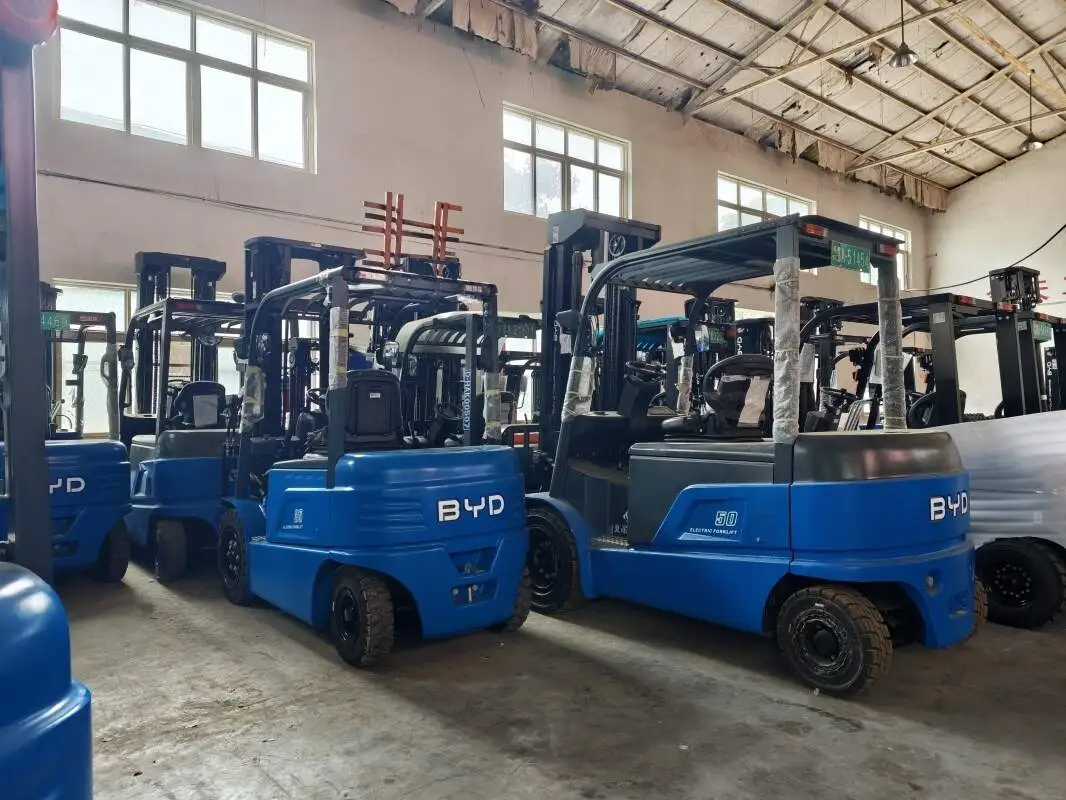
Daily component replacement is a critical pillar of electric forklift maintenance, directly impacting operational safety, performance consistency, and the overall service life of the equipment. A well-structured parts manual serves as an essential resource for both on-site operators and maintenance technicians, ensuring that replacement tasks are carried out accurately and efficiently.
1. Key Components Requiring Regular Replacement
Several core components demand frequent inspection and replacement to keep electric forklifts running smoothly. Battery terminals, for instance, are prone to corrosion from electrolyte exposure and moisture buildup, which can disrupt power transmission and lead to unexpected downtime. The parts manual specifies the exact replacement terminal models, along with precise torque values to ensure secure, corrosion-resistant installation.
Worn tire treads are another common issue, as they reduce traction on wet or uneven surfaces, increasing the risk of accidents. The manual outlines the correct tire size, load rating, and tread pattern suitable for different working environments, while also providing clear wear indicators to help users identify when replacement is necessary.
Brake linings also require regular attention, as repeated use gradually wears down the friction material, compromising stopping efficiency. The parts manual includes unique identification codes for compatible replacement linings, paired with step-by-step instructions for safe removal and installation to maintain optimal braking performance.
Additionally, air and oil filters can become clogged over time with dust and debris, restricting airflow and lubrication. This puts unnecessary strain on the forklift’s powertrain and hydraulic systems, so the manual lists compatible filter models and recommends replacement intervals based on operating conditions like dust levels and usage frequency.
2. Utilizing the Parts Manual Effectively
To maximize the value of the parts manual, users should start by familiarizing themselves with its structure. Most manuals include detailed component diagrams, part number indexes, and safety notes tailored to each component. When sourcing replacement parts, cross-referencing the part number listed in the manual is crucial to ensure compatibility—using incorrect parts can lead to equipment damage or safety hazards.
The manual also often includes troubleshooting tips to help users diagnose component issues before replacement, reducing unnecessary part changes and minimizing downtime. For example, it may guide users to distinguish between terminal corrosion and a faulty battery, ensuring that only the necessary component is replaced.
3. Safety and Best Practices for Replacement
Before starting any replacement work, it is essential to prioritize safety. Always disconnect the electric forklift’s battery to eliminate the risk of electrical shock, and wear appropriate personal protective equipment such as heavy-duty gloves, safety glasses, and steel-toe boots. Follow the torque specifications provided in the parts manual to avoid over-tightening, which can damage components, or under-tightening, which may lead to loose parts during operation.
After completing a replacement, perform a brief test run to verify that the component functions correctly. For example, after replacing brake linings, test the forklift’s stopping power in a controlled area to ensure optimal performance.
For expert support with electric forklift parts manuals, component replacements, and maintenance guidance, Jianshu New Energy specializes in electric forklift solutions. Feel free to reach out to us at 17399989919@163.com for any inquiries or assistance.