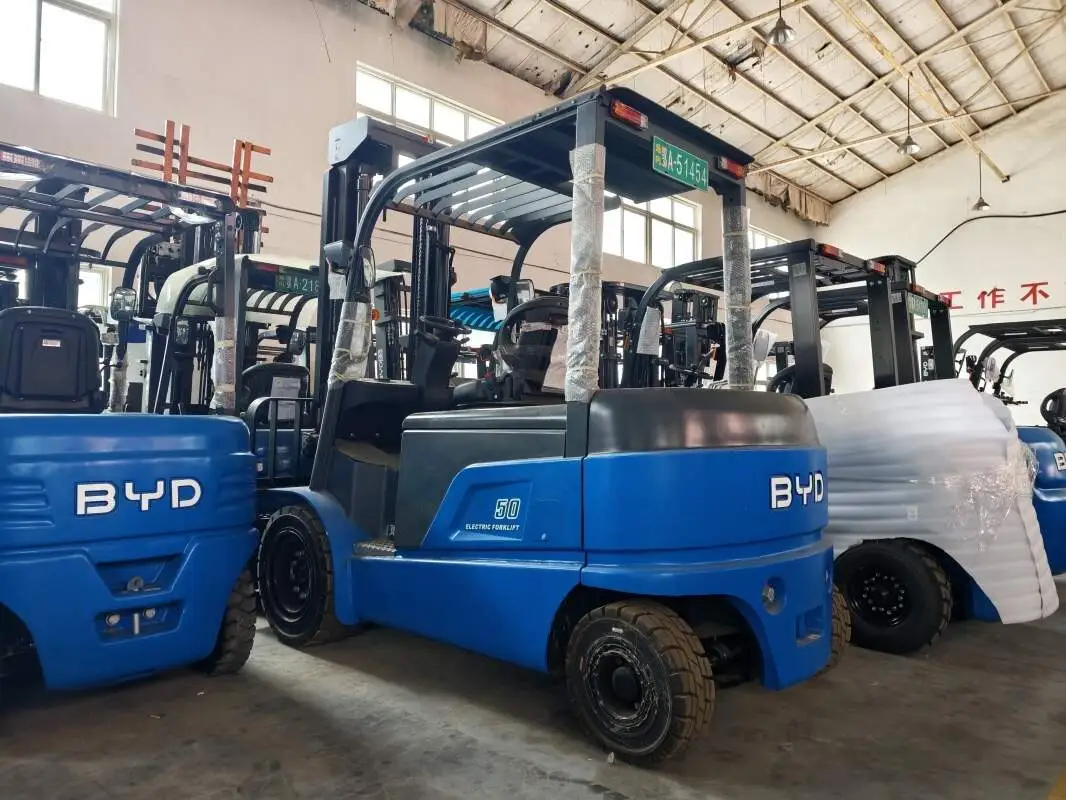
Pre-shift inspections are a non-negotiable part of operating electric forklifts safely, helping to identify potential hazards before they lead to accidents or costly equipment downtime. A systematic checklist ensures every critical component is evaluated, protecting both operators and workplace assets.
Battery System Checks
The battery is the core of an electric forklift, so start with a detailed inspection of this system. First, visually examine the battery terminals for signs of corrosion, loose connections, or damage—these issues can cause power interruptions or electrical hazards. Check the battery’s charge level using the built-in gauge; ensure it has enough power to complete the shift without needing an unexpected recharge. For liquid electrolyte batteries, verify that the fluid level is within the recommended range, as low levels can damage battery cells. Also, inspect the battery compartment for any leaks or debris that could compromise performance.
Hydraulic & Control System Checks
Next, focus on the hydraulic system, which powers lifting and tilting functions. Look for any visible leaks in hydraulic hoses, seals, or cylinders—even small leaks can lead to reduced performance over time and create slippery surfaces that increase fall risks. Test the control levers for smooth operation; they should move without stiffness or delays. Engage the parking brake and test the lifting mechanism to ensure it raises and lowers smoothly, holding a light load securely if possible.
Tire & Undercarriage Checks
Inspect the forklift’s tires for excessive wear, cuts, or punctures. Worn tires can compromise stability, especially when lifting heavy loads or navigating uneven surfaces. Check tire pressure to ensure it matches the manufacturer’s recommendations—underinflated tires can affect maneuverability. Then, examine the undercarriage for any loose bolts, damaged components, or accumulated debris that could interfere with movement.
Operator Compartment & Visibility Checks
The operator’s compartment must be safe and functional for optimal control. Inspect the seat belt for fraying or damage; it should fasten securely and retract properly. Check the steering wheel for responsiveness and ensure all dashboard indicators (such as battery charge, lights, and warning signals) are working correctly. Verify that mirrors are clean and adjusted to provide full visibility of the surrounding area. Also, ensure the overhead guard is intact and free from cracks or damage, as it protects the operator from falling objects.
Final Operational Test
Before starting the shift, conduct a slow, controlled test drive in a designated area. Check the acceleration, braking, and turning capabilities to ensure the forklift responds as expected. Test the horn, lights, and reverse alarm to confirm they are functioning—these features are critical for alerting other workers to the forklift’s presence.
By following this comprehensive pre-shift inspection checklist, operators can significantly reduce the risk of accidents and keep electric forklifts running efficiently. For businesses looking to invest in reliable electric forklifts, Jianshu New Energy specializes in BYD electric forklifts, offering high-quality equipment designed with safety and durability in mind. Should you have any questions about electric forklift maintenance, inspection protocols, or procurement, feel free to contact us at 17399989919@163.com.