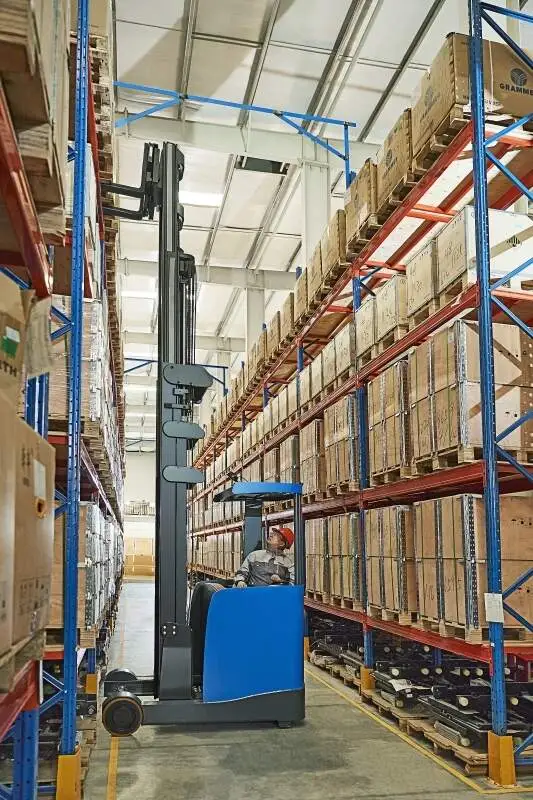
Warehouse electric forklift fleets rely heavily on attachments to handle diverse loads efficiently, from standard pallet forks to specialized clamp or roll attachments. While these tools boost operational flexibility, improper use can lead to workplace accidents, equipment damage, and costly downtime. Adhering to strict safety rules is critical to protect personnel, safeguard assets, and maintain fleet reliability.
Before deploying any attachment, a thorough pre-operation inspection is non-negotiable. First, confirm the attachment is compatible with your electric forklift model—mismatched components can disrupt the forklift’s balance and compromise stability. Inspect all connection points for tightness, signs of excessive wear, or corrosion, as loose or damaged parts can fail during operation. For hydraulically operated attachments, check hoses and fittings for leaks and test control levers to ensure smooth, responsive operation. Only commence tasks if every component meets safety standards.
During load handling, strict adherence to weight limits is essential. Never exceed the combined rated capacity of the forklift and attachment; overloading increases the risk of tipping, which is one of the most common and dangerous forklift accidents. When positioning the attachment around a load, prioritize clear visibility—use onboard mirrors, or enlist a spotter if the load obstructs your view. Avoid sudden accelerations, decelerations, or turns, as these movements can shift the load and cause instability. Always lower the load to a safe height when traveling and keep a safe distance from pedestrians and other equipment.
Operator training and certification are foundational to attachment safety. Only personnel who have completed specialized training for the specific attachment should operate the forklift. Training should cover attachment-specific operation techniques, safety protocols, emergency shutdown procedures, and how to identify potential hazards. Regular refresher courses ensure operators stay updated on best practices, reducing the risk of human error that can lead to incidents.
Routine maintenance and periodic inspections are key to extending the lifespan of both the electric forklift and its attachments. Follow the manufacturer’s recommended maintenance schedules, which may include lubricating moving parts, replacing worn components, and testing hydraulic systems. Keep detailed records of all inspections and repairs to track the condition of each attachment and address minor issues before they escalate into major problems.
For businesses seeking reliable electric forklift solutions and expert guidance on attachment safety, Jianshu New Energy specializes in BYD electric forklifts. Our team can assist with selecting compatible attachments, developing tailored safety protocols, and providing ongoing support to keep your warehouse operations safe and efficient. Reach out to us at 17399989919@163.com to learn more about our services.