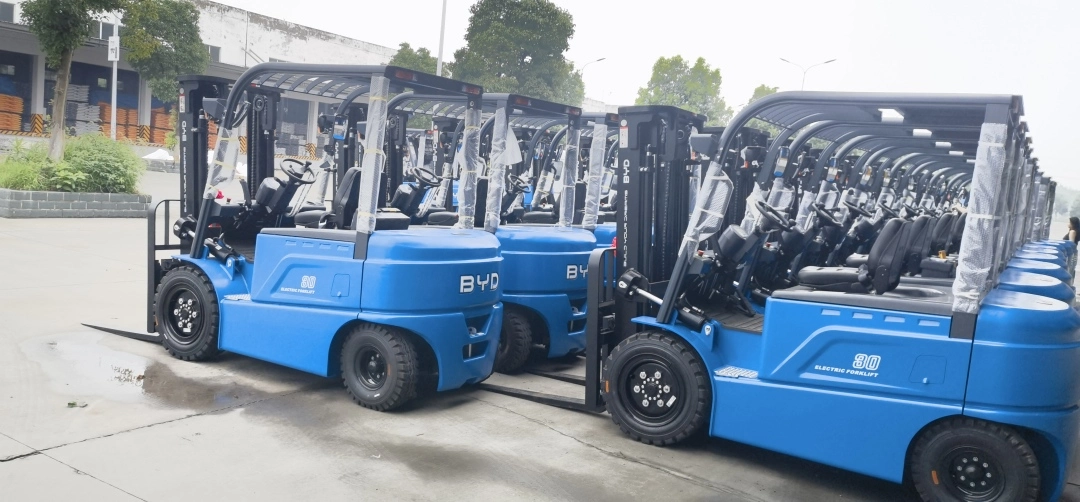
In modern warehouse logistics, electric forklifts play a pivotal role in streamlining material handling operations. For businesses operating on a constrained budget, refurbished used electric forklifts emerge as a cost-effective alternative to brand-new units. However, ensuring their performance meets warehouse project requirements is critical to avoiding operational disruptions. This analysis delves into key performance metrics of refurbished electric forklifts, offering insights for warehouse managers considering this option.
Battery performance is a core indicator of an electric forklift’s reliability. During refurbishment, used batteries undergo comprehensive testing, including capacity checks and targeted cell replacements if needed. In real-world warehouse scenarios, properly refurbished batteries can deliver up to 80% of the runtime of a new battery, sufficient for a full shift of medium-intensity operations. Regular charging and proactive maintenance further extend their usable life, making them a dependable power source for daily warehouse tasks like pallet transfers and inventory stacking.
Load capacity and structural integrity are non-negotiable for safe warehouse operations. Refurbishment processes include thorough inspections of the forklift’s frame, mast, and hydraulic systems for signs of wear or damage. Worn or compromised components are replaced with high-quality parts, ensuring the forklift maintains its original rated load capacity. In warehouse projects involving palletized goods or heavy inventory, refurbished forklifts demonstrate consistent performance, with minimal deviation from new units in terms of lifting stability and load distribution, reducing the risk of workplace incidents.
Operational efficiency is another key metric to evaluate. Refurbished forklifts often receive upgrades to their control systems, ensuring smooth steering, precise lifting, and responsive acceleration. These adjustments enhance maneuverability in narrow warehouse aisles and enable quick load transfers, which are essential for meeting tight order fulfillment deadlines. Warehouse staff typically report reduced time per task when using well-refurbished electric forklifts, directly contributing to higher overall operational throughput.
Beyond upfront cost savings, refurbished electric forklifts offer lower long-term maintenance costs compared to older, unrefurbished units. Most professional refurbishment services include a limited warranty, covering key components against manufacturing defects or premature failure. For warehouse projects with tight budget constraints, this combination of lower initial investment and predictable maintenance expenses makes refurbished forklifts a viable and financially sound choice.
A recent mid-sized warehouse project provides a practical example. The facility integrated a fleet of refurbished electric forklifts to replace its aging diesel-powered units. Over six months, the warehouse observed a 30% reduction in energy costs compared to diesel operations, along with a 15% increase in material handling efficiency. The refurbished forklifts required only routine maintenance, with no major breakdowns during this period, validating their performance and reliability in a real operational setting.
In conclusion, refurbished used electric forklifts can effectively meet the performance demands of most warehouse projects when sourced from reputable providers and properly refurbished. Their balance of cost-effectiveness, reliability, and operational efficiency makes them an attractive option for businesses looking to optimize their material handling operations. For those seeking high-quality refurbished or new BYD electric forklifts, Jianshu New Energy offers professional solutions tailored to warehouse needs. Feel free to reach out via 17399989919@163.com for more information and customized support.